

 English
 中文简体
中文简体 Español
 عربى
عربى
Industry news

Brass Cable Connector Selection for Reliable Industrial Wiring
 2026.10.02
 Industry news
A Brass Cable Connector plays a practical role in keeping electrical cables securely terminated in control cabinets, machinery, power equipment, and industrial wiring systems. As automation projects place more attention on connection reliability, engineers and buyers are looking beyond simple conductivity and considering material, cable compatibility, environmental exposure, and installation quality. Recent connector industry coverage also shows continued interest in industrial automation connectivity and connector reliability.
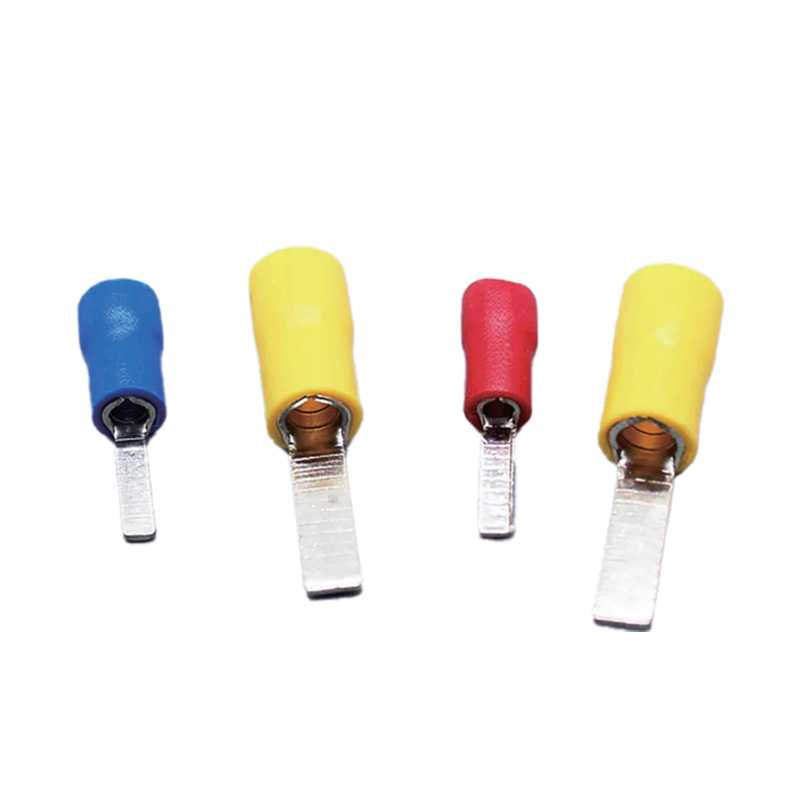
Match the Connector to the Cable
A suitable connector should correspond closely with the cable construction and installation environment. Cable diameter, conductor arrangement, insulation type, and entry configuration all affect how securely the connection can be assembled. Choosing by appearance or thread size alone can create installation problems later. For bulk purchasing, engineers should confirm cable compatibility before finalizing the connector specification.
Brass Material and Surface Protection
Brass is widely used for electrical and cable hardware because it combines mechanical strength with good electrical conductivity and practical machinability. Surface treatment also deserves attention, particularly when connectors are exposed to moisture or corrosive surroundings. Depending on the application, plated or treated brass components may provide additional protection. Material selection should therefore consider both electrical requirements and the surrounding working conditions.
Prevent Loose Connections During Installation
Many cable connection problems are related to installation rather than the connector design itself. Incorrect tightening, poor cable preparation, unsuitable crimping, or insufficient strain relief can weaken the connection. Recent technical guidance for industrial connectors continues to highlight termination quality and mechanical support as important factors in connection reliability.
A practical installation check can include:
- Confirming the cable size before assembly
- Checking thread and mating compatibility
- Inspecting the contact area for contamination
- Ensuring the cable is properly supported
- Verifying that the finished connection remains secure under normal movement
Consider Moisture, Dust, and Vibration
Industrial wiring often operates around dust, moisture, vibration, or temperature changes. These conditions can affect cable entries and electrical contacts over time. Connector selection should therefore consider sealing requirements, enclosure design, and the expected operating environment rather than treating the connector as an isolated component. Current industrial connector discussions continue to emphasize ingress protection and environmental reliability in automation applications.
Support Automation and Control Equipment
Modern factories increasingly rely on sensors, control cabinets, motors, robotic equipment, and interconnected machines. This makes dependable cable termination important for maintaining stable electrical and signal connections throughout the system. Connector suppliers are also seeing continued attention toward automation and robotics connectivity, including compact industrial connector solutions.
Manufacturing Control Matters
As a manufacturer, we approach brass cable connector production from both the component and installation perspective. Material consistency, dimensional accuracy, thread quality, surface treatment, and inspection are considered during production so buyers can integrate connectors into their own assemblies with fewer compatibility concerns. Customization can also be discussed when standard configurations do not match a particular cable or equipment design.
Practical Sourcing for Long-Term Projects
For overseas distributors, electrical equipment producers, and industrial system integrators, sourcing should focus on consistent specifications rather than selecting connectors only by unit price. A reliable Brass Cable Connector needs to match the cable, installation method, environmental conditions, and assembly process. Working with a manufacturer that understands these requirements can make repeat orders, customized production, and quality control easier to manage.

- Add: No. 196, Wei Twelve Road, Economic Development Zone, Yueqing City, Zhejiang Province, China
- Phone: +-86-18967761082
- Fax: +86-577-62056352
- Email: z1721242465@163.com
Contact us now
Copyright © 2024 Pulte Electric Technology (Wenzhou) Co., Ltd. All Rights Reserved

Wholesale Cable Gland and Connector Supplier