

 English
 中文简体
中文简体 Español
 عربى
عربى

Production delays do not always come from complex electrical faults. Sometimes, a small mismatch between a cable entry component and an enclosure can slow down an entire assembly l...
READ MOREChina Split Wire Loom & Convoluted Tubing
Flexible Convoluted Tubing Supplier
-
Parameters:
Models Specification(mm) Inside diameter(mm) Outside diameter(mm) Bending radius(mm) Quantity PCS...read moreBrand:
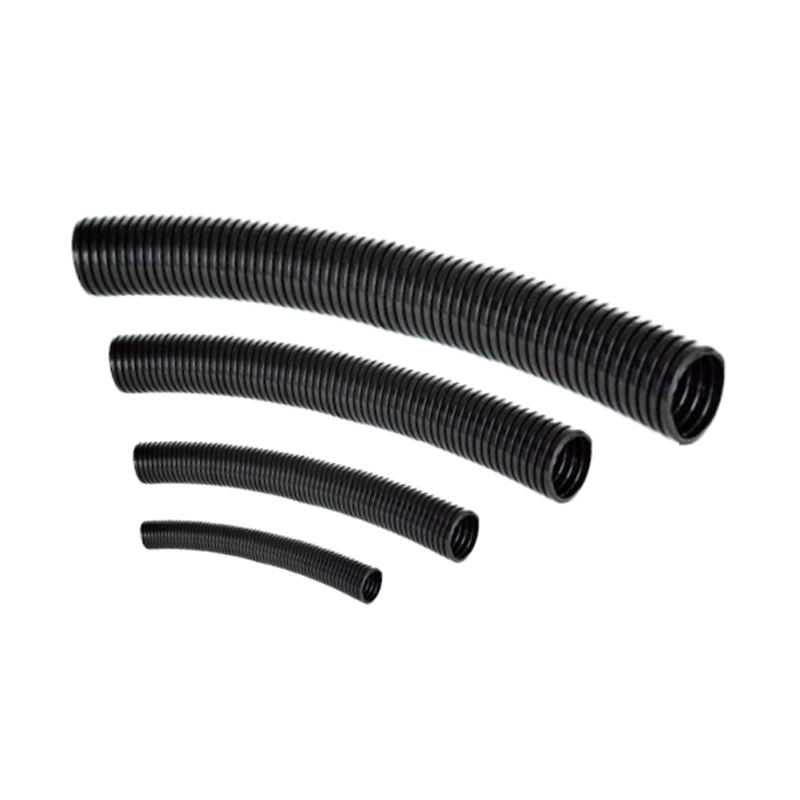
Plastic Bellows
-
Parameters:
Models Size (inch) Internal Dia.(mm) Externl Dia.(mm) Min. Bend Radius(mm) Reel Length JSH-8 - ...read moreBrand:
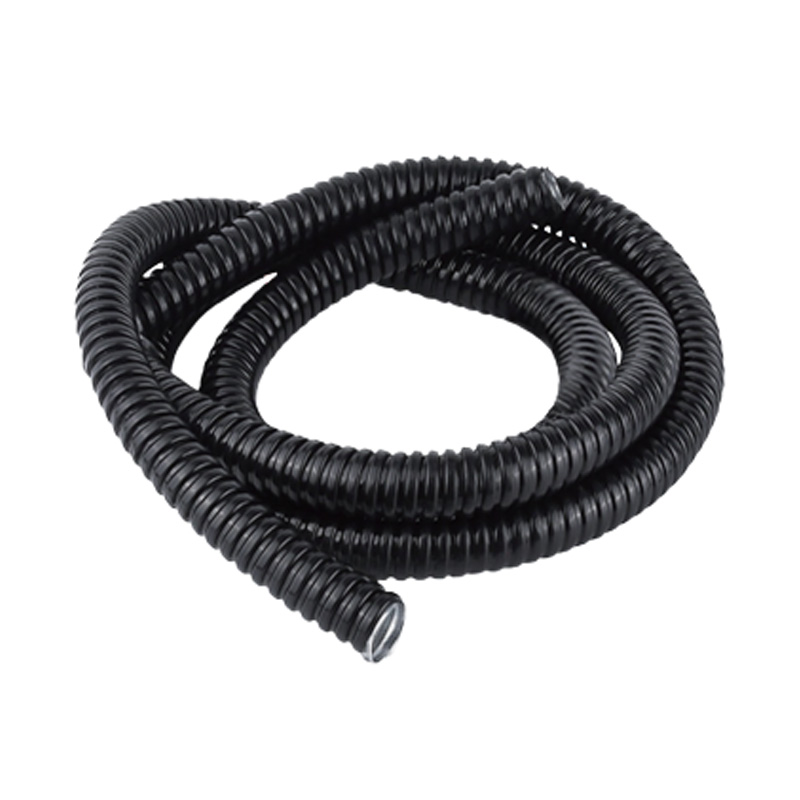
JSH PVC Coated Flexible Metal Conduit
-
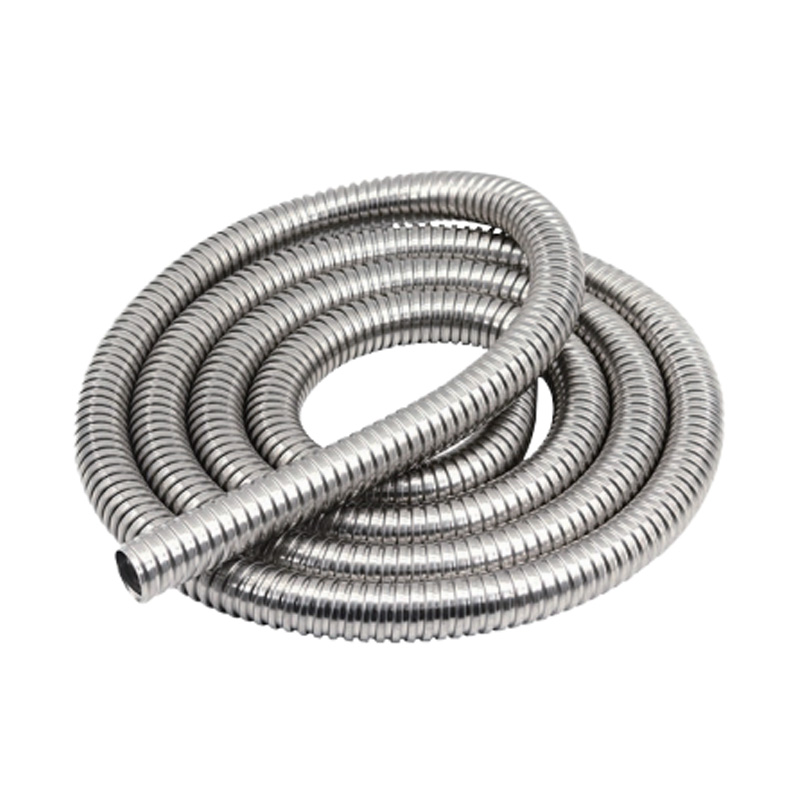
Parameters:
Models Size (inch) Internal Dia.(mm) Externl Dia.(mm) Min. Bend Radius(mm) Reel Length JSH-8 - ...read moreBrand:
JS Glavanized Flexible Metal Conduit
-
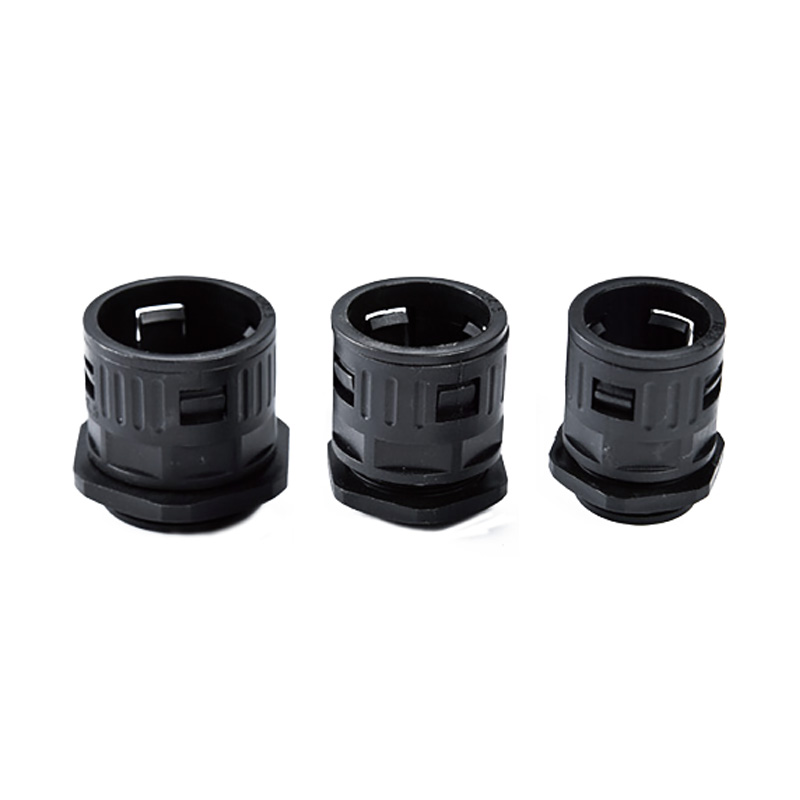
Parameters:
Models Thread size(mm) Adaptor hose(mm) Outside diameter thread (mm) Inside diameter thread(mm) ...read moreBrand:
Hose Waterproof Quick Gland PET-SM-G
-
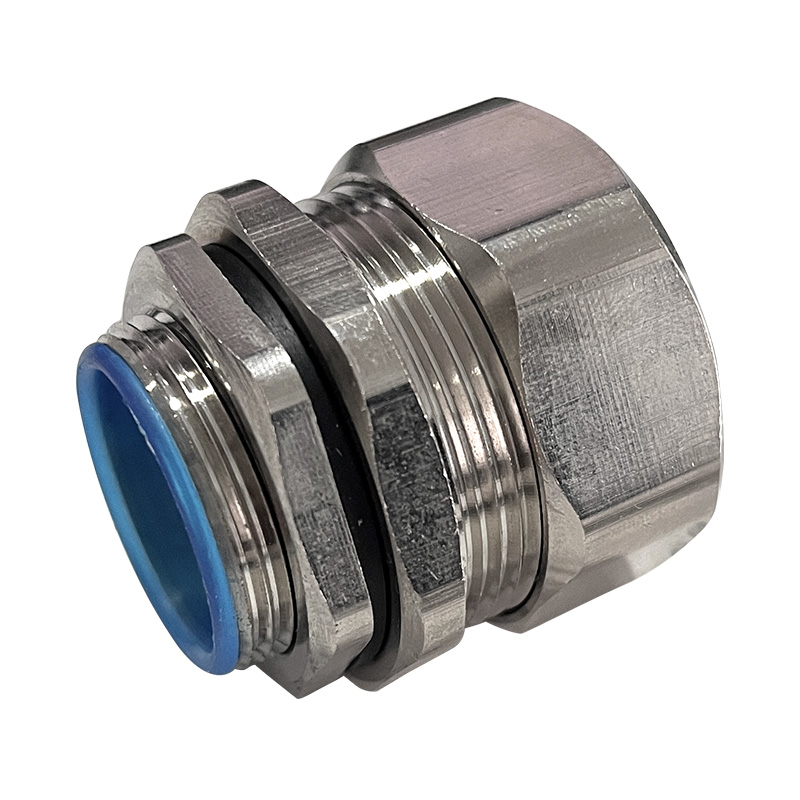
Parameters:
Metal vlexible hose Spiral tooth standard Thread O.D Thread Length Joint Length Packing Metric ...read moreBrand:
DPJ End Connectors (Brass)
-
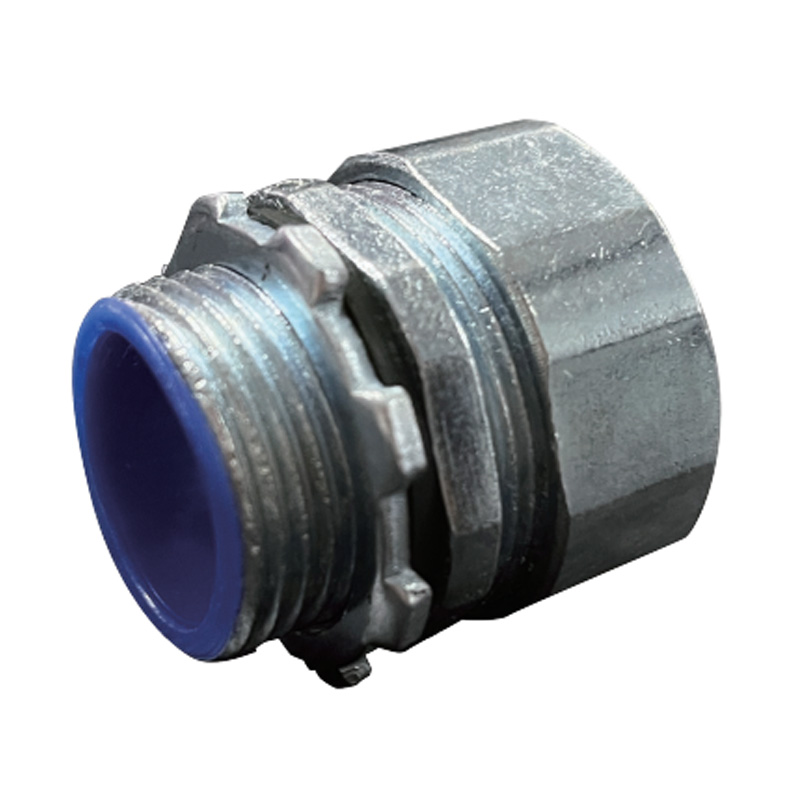
Parameters:
Metal vlexible hose Spiral tooth standard Thread O.D Thread Length Joint Length Packing Metric ...read moreBrand:
DPJ End Connectors (Zinc Alloy)
-
Parameters:
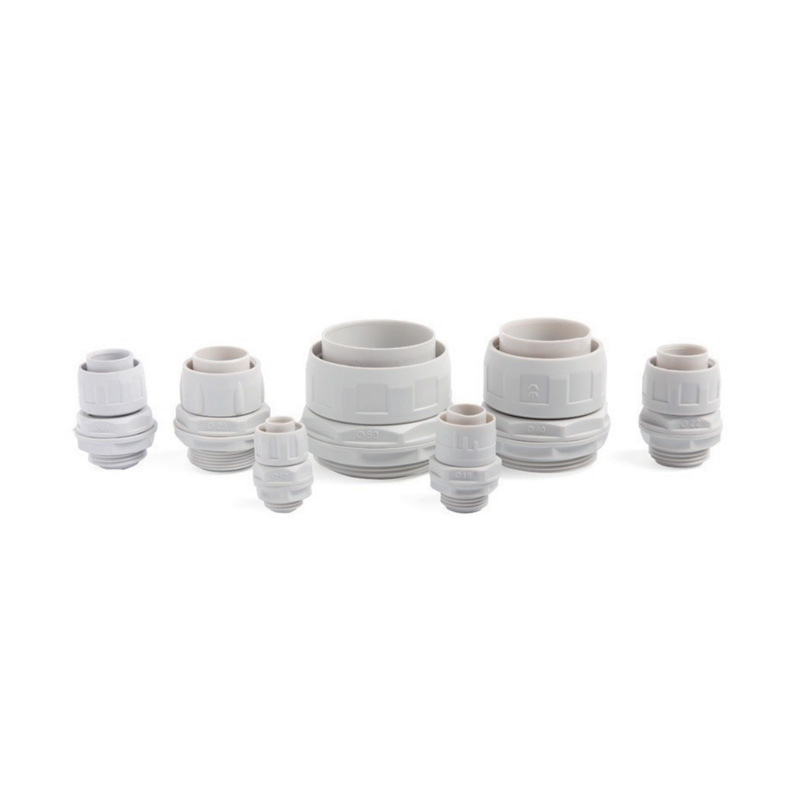
Models Thread specification Outside diameter of thread(mm) Adaptive hose outer diameter(mm) Packa...read moreBrand:
Plastic Fixed Cable Waterproof Connector Type FG
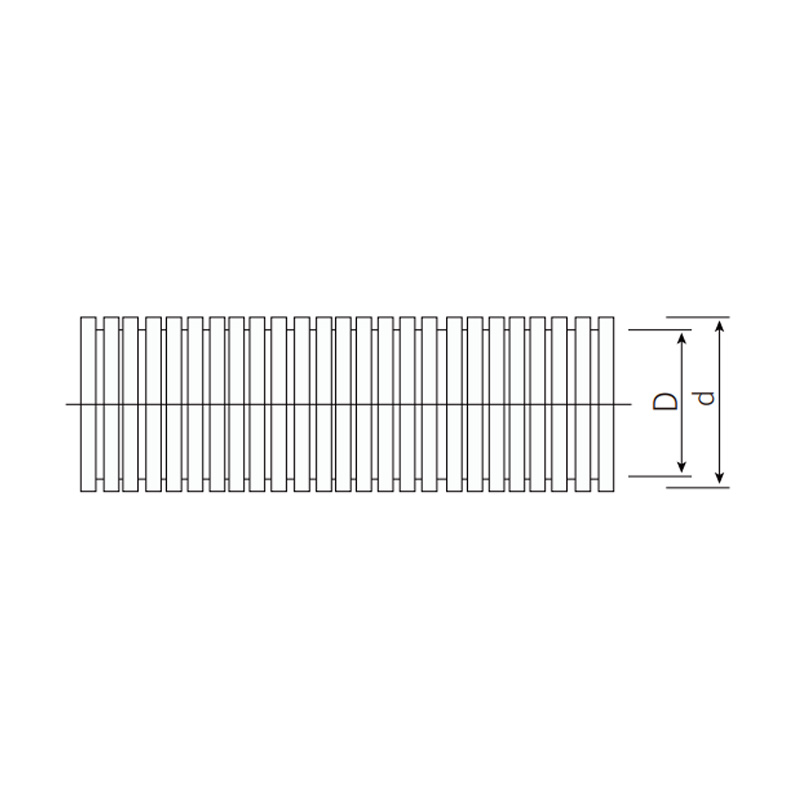
Plastic Bellows
● Product materials: PA hose (nylon flame retardant), PE hose, PP hose (flame retardant).
● Product features: high flexibility, friction resistance, acid corrosion resistance, flame retardant.
● Operating temperature: -20°C to 100°C.
● Application: instrument, control cabinet, equipment manufacturing, engineering, installation, automotive wiring harness.
● Product color: Black
| Models | Specification (mm) |
Inside diameter (mm) |
Outside diameter (mm) |
Bending radius (mm) |
Quantity PCS |
| PET-PE-10 | AD10 | 6.5 | 10 | 16 | 100 |
| PET-PE-12 | AD12 | 10 | 13 | 16 | 100 |
| PET-PE-15.8 | AD15.8 | 12 | 15.8 | 30 | 100 |
| PET-PE-18.5 | AD18.5 | 14.3 | 18.5 | 40 | 100 |
| PET-PE-21.2 | AD21.2 | 17 | 21.2 | 45 | 100 |
| PET-PE-25 | AD25 | 20 | 25 | 45 | 50 |
| PET-PE-28.5 | AD28.5 | 23 | 28.5 | 50 | 50 |
| PET-PE-34.5 | AD34.5 | 29 | 34.5 | 60 | 50 |
| PET-PE-42.5 | AD42.5 | 36 | 42.5 | 70 | 50 |
| PET-PE-54.5 | AD54.5 | 48 | 54.5 | 90 | 25 |
| PET-PP-10 | AD10 | 6.5 | 10 | 16 | 100 |
| PET-PP-12 | AD12 | 10 | 13 | 16 | 100 |
| PET-PP-15.8 | AD15.8 | 12 | 15.8 | 30 | 100 |
| PET-PP-18.5 | AD18.5 | 14.3 | 18.5 | 40 | 100 |
| PET-PP-21.2 | AD21.2 | 17 | 21.2 | 45 | 100 |
| PET-PP-25 | AD25 | 20 | 25 | 45 | 50 |
| PET-PP-28.5 | AD28.5 | 23 | 28.5 | 50 | 50 |
| PET-PP-34.5 | AD34.5 | 29 | 34.5 | 60 | 50 |
| PET-PP-42.5 | AD42.5 | 36 | 42.5 | 70 | 50 |
| PET-PP-54.5 | AD54.5 | 48 | 54.5 | 90 | 25 |
| PET-PA-10 | AD10 | 6.5 | 10 | 16 | 100 |
| PET-PA-12 | AD12 | 10 | 13 | 16 | 100 |
| PET-PA-15.8 | AD15.8 | 12 | 15.8 | 30 | 100 |
| PET-PA-18.5 | AD18.5 | 14.3 | 18.5 | 40 | 100 |
| PET-PA-21.2 | AD21.2 | 17 | 21.2 | 45 | 100 |
| PET-PA-25 | AD25 | 20 | 25 | 45 | 50 |
| PET-PA-28.5 | AD28.5 | 23 | 28.5 | 50 | 50 |
| PET-PA-34.5 | AD34.5 | 29 | 34.5 | 60 | 50 |
| PET-PA-42.5 | AD42.5 | 36 | 42.5 | 70 | 50 |
| PET-PA-54.5 | AD54.5 | 48 | 54.5 | 90 | 25 |
JSH PVC Coated Flexible Metal Conduit
● Extra flexible with good mechanical strength
● Thin, vacuum-extruded jacket has minimal effect on the core flexibility
● PVC jacket is UV Resistant
● Helically wound, hot dipping galvanized steel core, for strength
● Flame self-extinguish
| Models | Size (inch) | Internal Dia.(mm) | Externl Dia.(mm) | Min. Bend Radius(mm) | Reel Length |
| JSH-8 | - | 8 | 11 | 25 | 200m |
| JSH-10 | 5/16" | 10 | 13 | 30 | 100m |
| JSH-12 | - | 12 | 15 | 40 | 100m |
| JSH-13 | 3/8" | 13 | 16 | 43 | 100m |
| JSH-16 | 1/2" | 16 | 19 | 45 | 50m |
| JSH-19 | - | 19 | 23 | 50 | 50m |
| JSH-20 | 3/4" | 20 | 24 | 50 | 50m |
| JSH-25 | 1" | 25 | 29 | 57 | 50m |
| JSH-32 | 11/4" | 32 | 36 | 70 | 30m |
| JSH-38 | 11/2" | 38 | 43 | 80 | 30m |
| JSH-50 | 2" | 50 | 55 | 95 | 20m |
| JSH-63 | 21/2" | 63 | 70 | 140 | 10m |
| JSH-78 | 3" | 78 | 85 | 150 | 10m |
| JSH-100 | 4" | 100 | 109 | 190 | 10m |
JS Glavanized Flexible Metal Conduit
● The inherent flame resistance of the unjacketed product makes it suitable for a range of uses where high mechanical strength yet flexibility is required.
● Manufacture either in galvanized steel or stainless steel
● Interlocked structure for strength is available
● Non-flame propagating.
● High Flexibility & UV Resistance
| Models | Size (inch) | Internal Dia.(mm) | Externl Dia.(mm) | Min. Bend Radius(mm) | Reel Length |
| JSH-8 | - | 8 | 10 | 25 | 200m |
| JSH-10 | 5/16" | 10 | 12 | 30 | 100m |
| JSH-12 | - | 12 | 14 | 40 | 100m |
| JSH-13 | 3/8" | 13 | 15 | 43 | 100m |
| JSH-16 | 1/2" | 16 | 18 | 45 | 50m |
| JSH-19 | - | 19 | 22 | 50 | 50m |
| JSH-20 | 3/4" | 20 | 23 | 50 | 50m |
| JSH-25 | 1" | 25 | 28 | 57 | 50m |
| JSH-32 | 11/4" | 32 | 35 | 70 | 30m |
| JSH-38 | 11/2" | 38 | 42 | 80 | 30m |
| JSH-50 | 2" | 50 | 54 | 95 | 20m |
| JSH-63 | 21/2" | 63 | 68 | 140 | 10m |
| JSH-78 | 3" | 78 | 84 | 150 | 10m |
| JSH-100 | 4" | 100 | 107 | 190 | 10m |

Hose Waterproof Quick Gland PET-SM-G
● Product material: PA nylon, PP
● Thread specification: German thread (PG)
● Operating temperature: -40°C~+110°C
● Color type: Black, other colors can be customized.
● Usage: Hose supporting products, can be connected to the equipment box, and can also be selected according to the thread access inlet and outlet for the internal thread on the electric equipment, just the hose can be inserted into the interface.
| Models | Thread size (mm) |
Adaptor hose (mm) |
Outside diameter thread (mm) |
Inside diameter thread (mm) |
GL (mm) |
H (mm) |
Order number | Packing quantity PCS |
| PET-SM-G-AD10.0 | AD10.0 | PG7 | 12.3 | 6.5 | 11.5 | 18 | GPO7AD10.0 | 100 |
| PET-SM-G-AD13.0 | AD13.0 | PG9 | 15 | 10 | 11.5 | 19 | GPO9AD13.0 | 100 |
| PET-SM-G-AD15.8 | AD15.8 | PG11 | 18.4 | 12 | 12 | 23 | GP11AD15.8 | 100 |
| PET-SM-G-AD15.8 | AD15.8 | PG13.5 | 20.2 | 14.3 | 12 | 25 | GP13AD15.8 | 100 |
| PET-SM-G-AD18.5 | AD18.5 | PG13.5 | 20.2 | 14.3 | 12 | 25 | GP13AD18.5 | 50 |
| PET-SM-G-AD21.2 | AD21.2 | PG16 | 22.3 | 17 | 13 | 27 | GP16AD21.2 | 50 |
| PET-SM-G-AD28.5 | AD28.5 | PG21 | 28 | 23 | 13 | 33 | GP21AD28.5 | 50 |
| PET-SM-G-AD34.5 | AD34.5 | PG29 | 36.7 | 29 | 15 | 35 | GP29AD34.5 | 20 |
| PET-SM-G-AD42.5 | AD42.5 | PG36 | 46.7 | 36 | 15 | 38 | GP36AD42.5 | 20 |
| PET-SM-G-AD54.5 | AD54.5 | PG48 | 59 | 53 | 16 | 39 | GP48AD54.5 | 10 |
| PET-SM-G-M12 | AD10.0 | M12*1.5 | 12 | 6.5 | 10 | 22.5 | GM12AD10.0 | 100 |
| PET-SM-G-M12 | AD13.0 | M12*1.5 | 12 | 8 | 10 | 26 | GM12AD13.0 | 100 |
| PET-SM-G-M16 | AD13.0 | M16*1.5 | 16 | 10 | 10 | 23 | GM16AD13.0 | 100 |
| PET-SM-G-M18 | AD13.0 | M18*1.5 | 18 | 10 | 11.5 | 23 | GM18AD13.0 | 100 |
| PET-SM-G-M20 | AD13.0 | M20*1.5 | 20 | 10 | 11.5 | 23 | GM20AD13.0 | 100 |
| PET-SM-G-M16 | AD15.8 | M16*1.5 | 16 | 120 | 10 | 24 | GM16AD15.8 | 100 |
| PET-SM-G-M18 | ADI5.8 | M18*1.5 | 18 | 12 | 11.5 | 24 | GM18AD15.8 | 100 |
| PET-SM-G-M20 | ADI5.8 | M20*1.5 | 20 | 12 | 11.5 | 24 | GM20AD15.8 | 100 |
| PET-SM-G-M20 | AD18.5 | M20*1.5 | 20 | 14.3 | 12 | 25.5 | GM20AD18.5 | 50 |
| PET-SM-G-M20 | AD21.2 | M20*1.5 | 20 | 17 | 13 | 27 | GM20AD21.2 | 50 |
| PET-SM-G-M24 | AD21.2 | M24*1.5 | 24 | 17 | 13 | 27 | GM24AD21.2 | 50 |
| PET-SM-G-M25 | AD21.2 | M25*1.5 | 25 | 17 | 13 | 27 | GM25AD21.2 | 50 |
| PET-SM-G-M25 | AD25.0 | M25*1.5 | 25 | 20 | 14 | 30 | GM25AD25.0 | 50 |
| PET-SM-G-M25 | AD28.5 | M25*1.5 | 25 | 23 | 20 | 34 | GM25AD28.5 | 50 |
| PET-SM-G-M27 | AD28.5 | M27*2.0 | 27 | 23 | 14 | 34 | GM27AD28.5 | 50 |
| PET-SM-G-M30 | AD28.5 | M30*2.0 | 30 | 22 | 11 | 33 | GM30AD28.5 | 50 |
| PET-SM-G-M32 | AD28.5 | M32*1.5 | 32 | 25 | 14 | 33 | GM32AD28.5 | 50 |
| PET-SM-G-M32 | AD34.5 | M32*1.5 | 32 | 29 | 20 | 36 | GM32AD34.5 | 20 |
| PET-SM-G-M36 | AD34.5 | M36*20 | 36 | 29 | 14 | 36 | GM36AD34.5 | 20 |
| PET-SM-G-M40 | AD34.5 | M40*1.5 | 40 | 29 | 15 | 38.5 | GM40AD34.5 | 20 |
| PET-SM-G-M40 | AD42.5 | M40*1.5 | 40 | 36 | 15 | 38.5 | GM4OAD42.5 | 10 |
| PET-SM-G-M4B | AD42.5 | M48*20 | 48 | 36 | 15 | 38.5 | GM48AD42.5 | 10 |
| PET-SM-G-M50 | AD54.5 | M50*1.5 | 50 | 38 | 16 | 39 | GM50AD54.5 | 10 |
| PET-SM-G-M60 | AD54.5 | M60*2.0 | 60 | 53 | 16 | 39 | GM6OAD54.5 | 10 |
| PET-SM-G-M63 | AD54.5 | M63*1.5 | 63 | 53 | 16 | 39 | GM63AD54.5 | 10 |
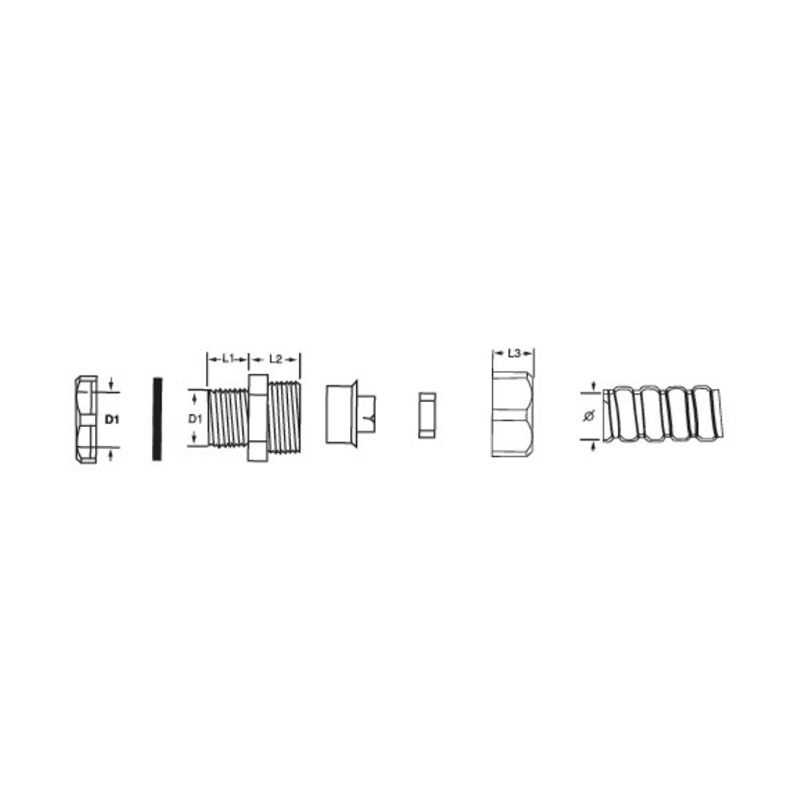
DPJ End Connectors (Brass)
● Product material: A.c.F part is made of high quality thickened brass, B.E part is made of nitrile rubber, D is made of iron sheet
● Thread specifications: British G, metric Mefyic, German PG
● Operating temperature:-40'C~+100'c,short time up to +120'C
● Product features: Flexible tube sheath design and hose connected design, strong tension can be waterproof, dustproof salt resistance, acid and alkali resistance, alcohol, oil, grease, and general solvents.
● Color Type: Metallic (silver white)
● Waterproof class:lP65
| Metal vlexible hose | Spiral tooth standard | Thread O.D | Thread Length | Joint Length | Packing | |||
| Metric System | Inch | M | G | PG | D1 | L1 | L2+L3 | |
| φ6 | 3/16" | M14x1.5 | G1/4" | PG7 | 13.2 | 8 | 16 | 100 |
| φ8 | 1/4" | M16x1.5 | G3/8" | PG9 | 13.2 | 8 | 16 | 100 |
| φ10 | 5/16" | M16x1.5 | G3/8" | PG9 | 16.5 | 8 | 17 | 100 |
| φ12(13) | 3/8" | M20x1.5 | G3/8" | PG11 / PG13.5 | 16.5 | 8 | 18 | 100 |
| φ15(16) | 1/2" | M20x 1.5/M24x1.5 | G1/2" | PG13.5/ PG16 | 21.3 | 11 | 23 | 100 |
| φ20(19) | 3/4" | M27x2.0/M30x2.0 | G3/4" | PG21 | 26.6 | 14 | 22 | 50 |
| φ25 | 1" | M33x2.0/M36x2.0 | G1" | PG29 | 33.4 | 15 | 28 | 50 |
| φ32 | 1-1/4* | M42x2.0/M48x2.0 | G1-1/4" | PG29 | 42.1 | 15 | 30 | 25 |
| φ38(40) | 1-1/2* | M48x2.0/M60x2.0 | G1-1/2" | PG36/PG42 | 47.8 | 16 | 32 | 25 |
| φ51(50) | 2" | M60X2.0/M72x 2.0 | G2" | PG48 | 59.6 | 18 | 34 | 10 |
| φ64(70) | 2-1/2" | M76x2.0 | G2- -1/2" | 75.1 | 22 | 38 | 10 | |
| φ75(80) | 3" | M88x2.0 | G3" | 87.8 | 22 | 46 | 5 | |
| φ100 | 4" | M114x2.0 | G4" | 113 | 24 | 50 | 5 | |
| φ125 | 5" | M140x2.0 | G5" | 5 | ||||
| φ150 | 6" | M164x2.0 | G6" | 2 | ||||
DPJ End Connectors (Zinc Alloy)
● Product material: A.c.F part is made of high quality thickened brass, B.E part is made of nitrile rubber, D is made of iron sheet
● Thread specifications: British G, metric Mefyic, German PG
● Operating temperature:-40'C~+100'c,short time up to +120'C
● Product features: Flexible tube sheath design and hose connected design, strong tension can be waterproof, dustproof salt resistance, acid and alkali resistance, alcohol, oil, grease, and general solvents.
● Color Type: Metallic (silver white)
● Waterproof class:lP65
| Metal vlexible hose | Spiral tooth standard | Thread O.D | Thread Length | Joint Length | Packing | |||
| Metric System | Inch | M | G | PG | D1 | L1 | L2+L3 | |
| φ6 | 3/16" | M14x1.5 | G1/4" | PG7 | 13.2 | 8 | 16 | 100 |
| φ8 | 1/4" | M16x1.5 | G3/8" | PG9 | 13.2 | 8 | 16 | 100 |
| φ10 | 5/16" | M16x1.5 | G3/8" | PG9 | 16.5 | 8 | 17 | 100 |
| φ12(13) | 3/8" | M20x1.5 | G3/8" | PG11 / PG13.5 | 16.5 | 8 | 18 | 100 |
| φ15(16) | 1/2" | M20x 1.5/M24x1.5 | G1/2" | PG13.5/ PG16 | 21.3 | 11 | 23 | 100 |
| φ20(19) | 3/4" | M27x2.0/M30x2.0 | G3/4" | PG21 | 26.6 | 14 | 22 | 50 |
| φ25 | 1" | M33x2.0/M36x2.0 | G1" | PG29 | 33.4 | 15 | 28 | 50 |
| φ32 | 1-1/4* | M42x2.0/M48x2.0 | G1-1/4" | PG29 | 42.1 | 15 | 30 | 25 |
| φ38(40) | 1-1/2* | M48x2.0/M60x2.0 | G1-1/2" | PG36/PG42 | 47.8 | 16 | 32 | 25 |
| φ51(50) | 2" | M60X2.0/M72x 2.0 ! | G2" | PG48 | 59.6 | 18 | 34 | 10 |
| φ64(70) | 2-1/2" | M76x2.0 | G2- -1/2" | 75.1 | 22 | 38 | 10 | |
| φ75(80) | 3" | M88x2.0 | G3" | 87.8 | 22 | 46 | 5 | |
| φ100 | 4" | M114x2.0 | G4" | 113 | 24 | 50 | 5 | |
| φ125 | 5" | M140x2.0 | G5" | 5 | ||||
| φ150 | 6" | M164x2.0 | G6" | 2 | ||||
Plastic Fixed Cable Waterproof Connector Type FG
● Screw specifications: Metric teeth, G(PF) teeth
● Product material: PP
● Protection level: lP67
● Color type: Off-white. Other colors can be made to order.
| Models | Thread specification | Outside diameter of thread(mm) | Adaptive hose outer diameter(mm) | Package(PCS) |
| FG12 | G3/8 | 16.2 | Ф 12mm | 100 |
| FG14 | G1/2 | 19.23 | Ф 14mm | 100 |
| FG16 | G1/2 | 20.57 | Ф l6mm | 100 |
| FG20 | G3/4 | 26 | Ф 20mm | 50 |
| FG25 | M32 | 31.7 | Ф 25mm | 50 |
| FG32 | G1.1/4 | 41.51 | Ф 32mm | 25 |
| FG40 | G1.1/2 | 46.97 | Ф 40mm | 20 |
| FG50 | G1.1/2 | 58.7 | Ф 50mm | 20 |
About Us
Pulte Electric Technology (Wenzhou) Co., Ltd.
Pulte Electric Technology (Wenzhou) Co., Ltd. is a China Custom Bellows Manufacturer and Sale Bellows Factory specializing in producing cable connectors, waterproof junction boxes, and other electrical product accessories. The company was born in the electrical town known as the "China Electrical Capital". It is a professional modern enterprise integrating R&D, production, and sales. Focusing on the brand building of Pulte "PULTE", with excellent technical crispness and efficient quality assurance, satisfactory and thoughtful sales service, and reasonable and affordable prices, its various technical indicators and product performance are better than its peers, and are widely used in junction boxes, distribution cabinets, communication equipment, instruments, and meters, medical equipment, machine tools, artificial intelligence, automation equipment, and other fields: constantly innovating, developing new products, forming a series of waterproof cable connectors, waterproof junction boxes, cold blocking parts, cable connector accessories, hose waterproof connectors and other products. At the same time, Wenzhou Pulte International Trade Co., Ltd., a subsidiary of the company, actively expands the international market and is committed to providing high-quality products and services to global customers, effectively broadening the company's market channels, enhancing market competitiveness, and laying the foundation for expanding the scale of the enterprise.
The company has strong technical strength and is jointly established by industry veterans. It has a professional position in the field of cable connector manufacturing. We have a complete quality assurance system and rich design and manufacturing experience. Our products are widely used in various industries and are highly reliable. We provide professional and high-quality cable-supporting products for customers. We believe that there is a product that meets your needs in our complete series of products.
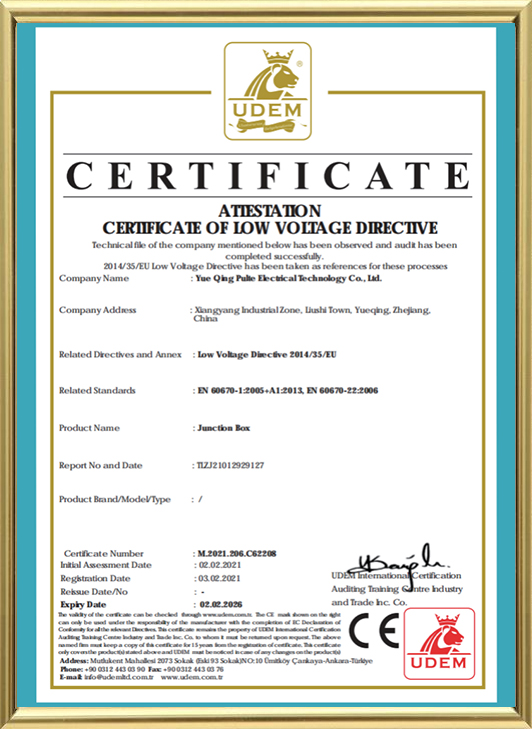
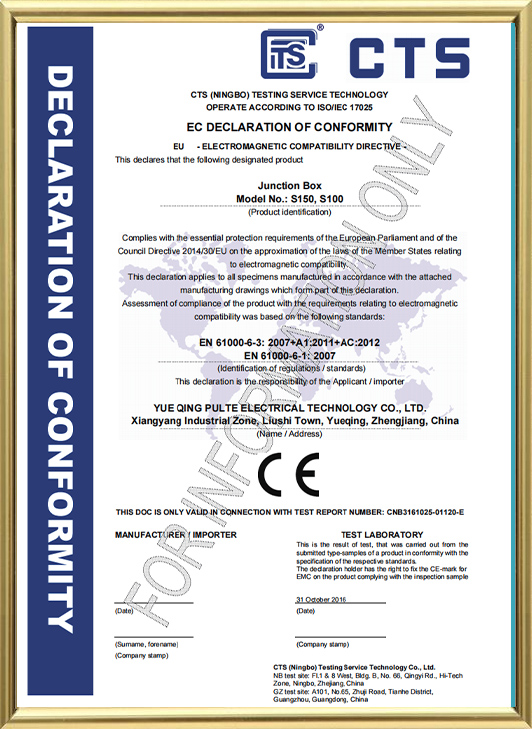
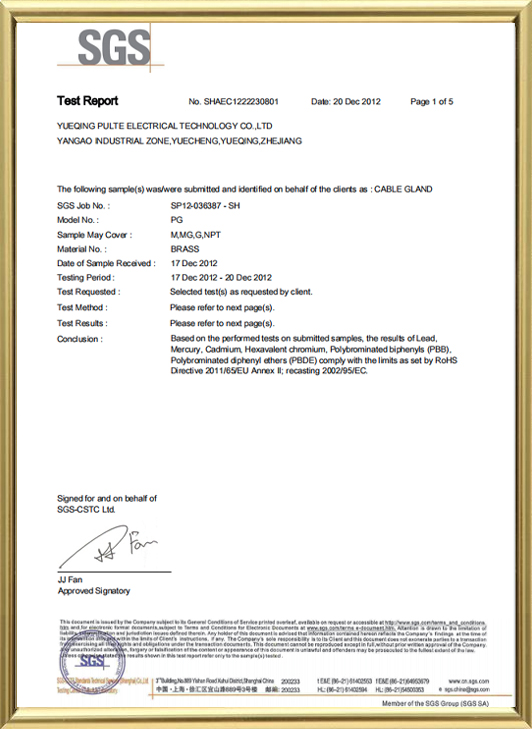
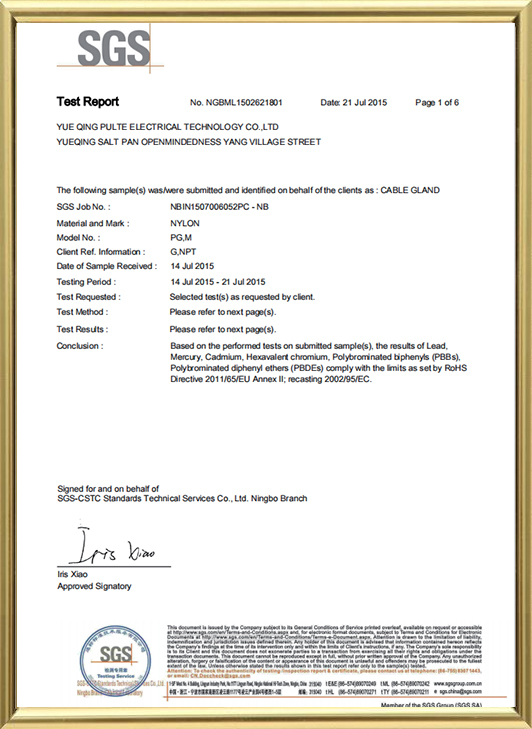
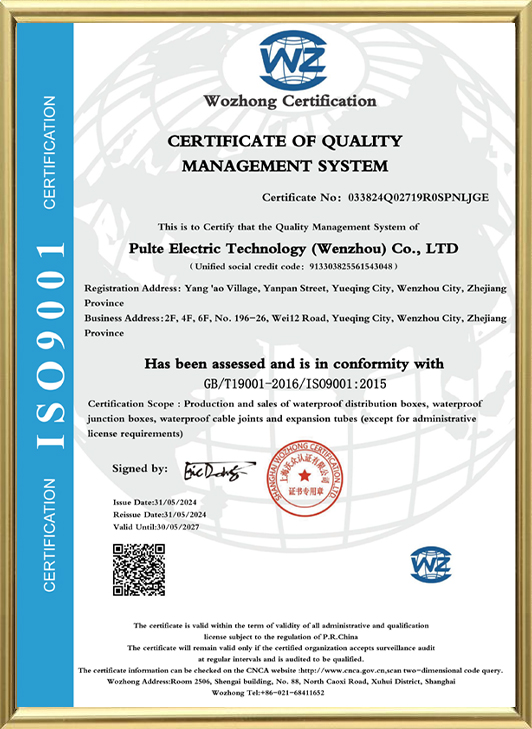
Certificate Of Honor
News
-
-
A Brass Cable Connector plays an important role in maintaining secure cable entry, protecting wiring, and supporting reliable electrical installations. When connections become loos...
READ MORE -
A Brass Cable Connector plays a practical role in keeping electrical cables securely terminated in control cabinets, machinery, power equipment, and industrial wiring systems. As a...
READ MORE -
A Brass Cable Connector can provide a secure cable entry for industrial equipment, but its performance also depends on how the connector is installed. For control cabinets, junctio...
READ MORE
Industry Knowledge Extension
What are the Material Properties of Flexible Convoluted Tubing?
To better understand its performance, it is helpful to look at its material properties point by point.
1. Flexibility and Bend Radius
- One of the defining features of convoluted tubing is its flexibility.
- The corrugated structure allows it to bend without kinking, making it suitable for installations where cables must follow tight or complex paths.
- A small bend radius ensures that even in confined spaces, the tubing can adapt without putting stress on the wires inside.
2. Mechanical Strength and Durability
- Many flexible convoluted tubing is manufactured from high-density polyethylene (HDPE), polypropylene (PP), or nylon (PA).
- These materials provide solid mechanical strength, ensuring resistance against crushing, pulling, or external mechanical impacts.
- This durability allows the tubing to withstand daily handling in demanding environments like automotive engine bays.
3. Temperature Resistance
- Different material grades offer varying levels of temperature resistance.
- For example, nylon convoluted tubing generally performs well in high-temperature conditions, sometimes up to 125°C.
- Polypropylene and polyethylene offer adequate resistance in moderate temperature ranges, making them suitable for indoor or less harsh environments.
4. Chemical and Moisture Resistance
- Many tubing types are resistant to oils, solvents, and moisture.
- This property is especially critical in automotive and marine applications where exposure to fuel, lubricants, or saltwater may occur.
- Resistance to corrosion and chemical damage ensures the long-term safety of the cables inside.
5. Lightweight Construction
- Compared with metal conduits, flexible convoluted tubing is lightweight.
- This reduces the overall load in applications like vehicles, where weight reduction contributes to energy efficiency.
- Despite being lightweight, it does not compromise on protective qualities.
6. Electrical Insulation and Safety
- Non-conductive materials provide inherent electrical insulation.
- This property prevents short circuits and reduces risks of accidental shocks.
- By housing wires in a protective sleeve, the tubing enhances workplace safety while maintaining neat cable organization.
The material properties of flexible convoluted tubing combine flexibility, durability, resistance to harsh environments, and electrical safety, making it a versatile protective solution for multiple industries.
How Cost-Effective is Split Wire Loom & Convoluted Tubing?
Split wire loom and convoluted tubing are popular choices for wire management due to their protective qualities and practical cost benefits. Evaluating their cost-effectiveness requires breaking down several points.
1. Affordable Initial Cost
Both split wire loom and convoluted tubing are relatively inexpensive compared with rigid conduits or specialized cable management systems.
They are produced from cost-effective thermoplastics, keeping manufacturing costs low and making them accessible to small businesses and large industries alike.
For bulk buyers, purchasing large rolls or bundles further reduces per-unit cost.
2. Ease of Installation
Split wire loom, in particular, has a pre-slit design that makes installation quick and simple.
Installers can insert cables without disconnecting or rewiring equipment, saving labor time.
This time-saving translates directly into reduced labor costs, making the product highly economical.
3. Reduced Maintenance Expenses
Convoluted tubing protects wires from abrasion, UV exposure, and environmental factors.
By extending the service life of cables, it minimizes the need for frequent replacements.
Fewer breakdowns or repairs mean long-term savings for both small projects and large-scale operations.
4. Versatility Across Applications
The tubing can be used in automotive wiring harnesses, home electrical systems, office cable management, and heavy equipment.
A single product type fits multiple uses, eliminating the need to purchase different solutions for every application.
This versatility adds to cost-effectiveness by streamlining procurement.
5. Reusability and Adjustability
Many types of split wire loom can be reopened and reused if wiring configurations change.
This reusability reduces waste and additional expenses for new tubing.
For projects where wires may need frequent adjustments, this feature provides ongoing cost savings.
6. Value Compared with Alternatives
Compared with rigid conduit systems, split wire loom and convoluted tubing require less material, lower shipping costs, and simpler handling.
They also avoid expensive tools or complex fittings for installation.
Considering the balance between protection, durability, and affordability, they often provide the cost-to-performance ratio.
Split wire loom and convoluted tubing stand out as cost-effective solutions for cable protection. Their affordability, ease of use, durability, and versatility make them a reliable investment for industries and consumers seeking both protection and savings.

- Add: No. 196, Wei Twelve Road, Economic Development Zone, Yueqing City, Zhejiang Province, China
- Phone: +-86-18967761082
- Fax: +86-577-62056352
- Email: z1721242465@163.com
Contact us now
Copyright © 2024 Pulte Electric Technology (Wenzhou) Co., Ltd. All Rights Reserved

China Flexible Convoluted Tubing