

 English
 中文简体
中文简体 Español
 عربى
عربى
Industry news

Can Heavy-duty Junction Boxes Handle Cable Overcrowding
 2026.02.20
 Industry news
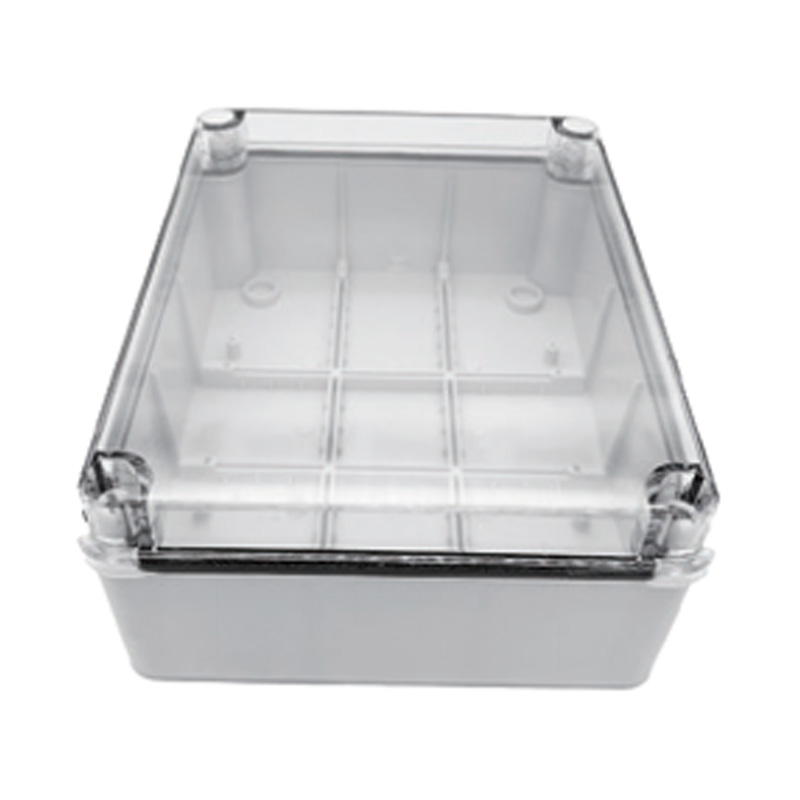
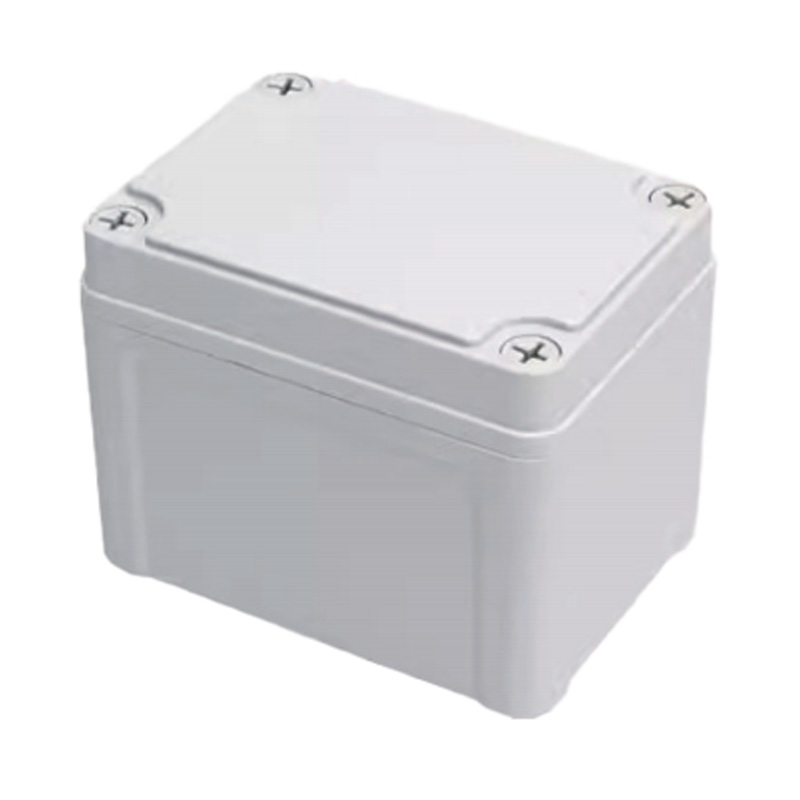
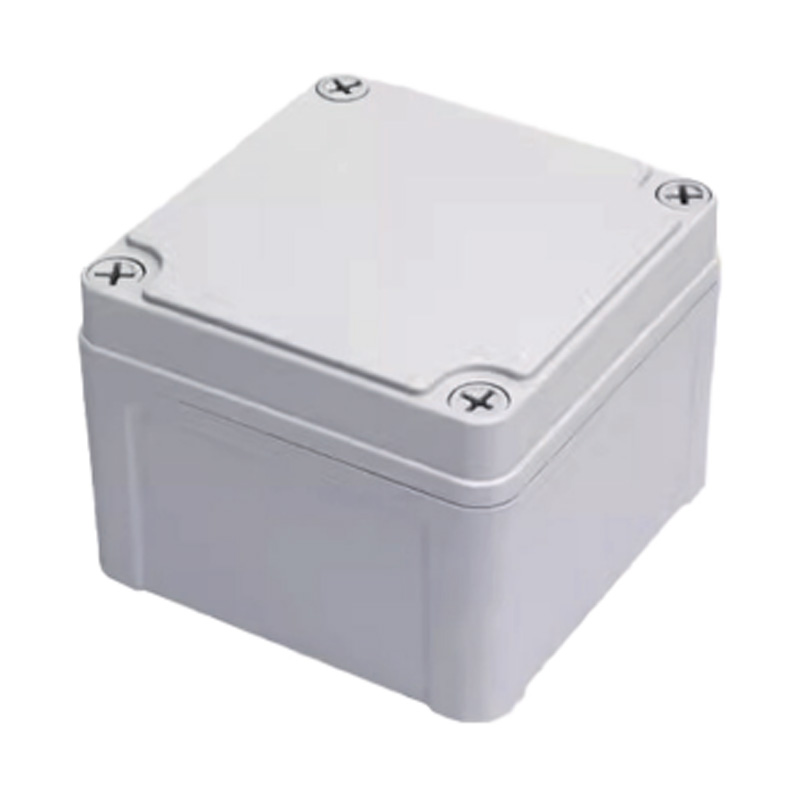
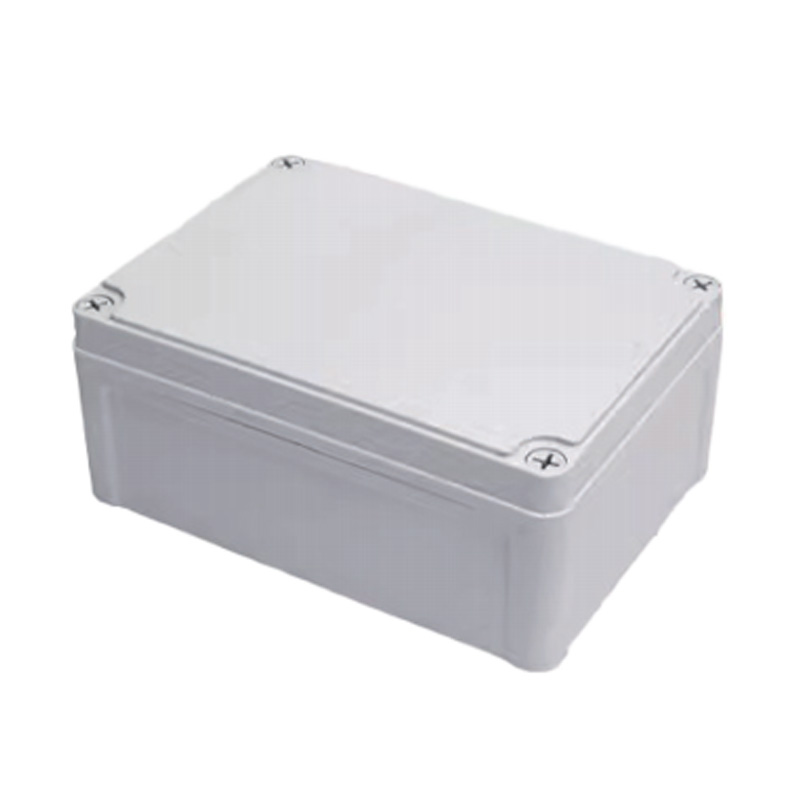
Electrical junction boxes installed outdoors are supposed to protect vital connections from rain, humidity, and other elements. Yet a common frustration among installers and homeowners is that even after choosing a Waterproof Cable Junction Box or robust Heavy-duty Junction Box, moisture still finds a way inside, leading to corrosion, short circuits, and unpredictable performance. Understanding the real reasons behind water ingress can help you choose and install a suitable solution that performs as expected.
What “Waterproof” Really Means
A junction box labeled as waterproof isn’t automatically immune to every form of water intrusion. More waterproof electrical enclosures are rated with an IP (Ingress Protection) or NEMA (National Electrical Manufacturers Association) standard, indicating its resistance level against solids and liquids. An IP66 or NEMA 4 rating commonly means the enclosure is dust-tight and can withstand strong jets of water. But prolonged exposure to rainfall, mist, or condensation requires even higher protection levels like IP67 or NEMA 6P for submersion-resistant performance.
Common Causes of Water Entry
1. Improper Sealing Around Cable Entries
One of the more overlooked reasons water continues to enter a junction box is poor cable entry sealing. Even high-rated waterproof boxes can fail if the cable glands, grommets, or sealing plugs are not correctly installed or suited for the specific cable diameter. Moisture can seep in around loose fittings or non-rated components, compromising the intended barrier against rain.
2. Incorrect Positioning or Mounting
Where you mount your junction box matters. A box installed horizontally or under a surface where water pools can stress the seals and lead to slow water ingress. better practice is mounting horizontally with a slight forward tilt or vertically, allowing water to run off rather than collect near seals or lid edges.
3. Damaged or Misaligned Gaskets
Inside the lid of a waterproof junction box sits a gasket that creates the primary barrier against water. But if the gasket is misaligned, twisted, damaged, or has debris caught underneath it, it will fail to create an effective seal. Before sealing any box, inspect and clean the gasket surface and ensure it sits correctly in its groove.
4. Ignoring Micro-Gaps and Condensation
Water does not only enter as liquid. Moisture vapor and condensation—especially in humid environments—can make their way into tight enclosures through micro-gaps and temperature changes, condensing on internal surfaces. Over time, this moisture can accumulate into water droplets that affect the internal wiring and components.
Real Installation Challenges
Users often share real-world issues where waterproof boxes still leaked despite being rated for outdoor use. One common scenario is a junction box installed outdoors without weatherproof cable glands, allowing rainwater to sneak in around the cables. In other instances, the installed gasket was shifted during closing, leaving tiny gaps that accumulated water over time. These issues highlight that a waterproof enclosure must be paired with correct installation practices.
Another frequent challenge relates to condensation inside outdoor boxes. Even well-sealed boxes can trap warm, humid air during installation, which later condenses as temperature drops at night or after rain showers. Unless accommodated with venting solutions or moisture-absorbing elements like desiccant packs, this condensation can mimic water ingress from outside.
How to Improve Protection
Ensuring your outdoor junction box stays dry isn’t just about buying a pricier product. Here are practical steps that greatly reduce water entry risk:
Use IP or NEMA-rated cable glands that match your box’s protection level and cable size; tighten them correctly and ensure proper seating.
Route cables ideally from the bottom or sides instead of top entries where direct rainwater can drip into the enclosure.
Check and clean gaskets before final sealing to remove dust, debris, or misalignments.
Consider adding silicone sealant around tight spots and unused openings to prevent micro-gaps.
Inspect periodically, especially after storms or seasonal changes, to catch early signs of seal wear or gasket deterioration.
Choosing the Right Box for Your Application
Selecting a Waterproof Cable Junction Box or Heavy-duty Junction Box is more than just picking a product labeled as waterproof. Consider the environment and expected exposure: coastal areas with salt air require more corrosion-resistant materials, while areas with heavy rain may benefit from a higher IP rating. Always match the product specifications to real environmental demands rather than assumptions.
Water entering an outdoor junction box can be frustrating, but the issue rarely lies with the enclosure alone. It’s often a combination of installation practices, cable entry sealing, gasket condition, and environmental conditions that determines real-world performance. Taking time to match rating levels, apply proper installation techniques, and inspect your setup regularly will help your junction box live up to its waterproof promise. For reliable performance in demanding situations, companies like Pulte Electric Technology (Wenzhou) Co., Ltd. emphasize the importance of thoughtful design and installation guidance so that your electrical connections remain protected and dry.

- Add: No. 196, Wei Twelve Road, Economic Development Zone, Yueqing City, Zhejiang Province, China
- Phone: +-86-18967761082
- Fax: +86-577-62056352
- Email: z1721242465@163.com
Contact us now
Copyright © 2024 Pulte Electric Technology (Wenzhou) Co., Ltd. All Rights Reserved

Wholesale Cable Gland and Connector Supplier