

 English
 中文简体
 Español
 عربى

Industry news
 Home / News / Industry news / Heavy-duty Junction Box Design: Preventing Moisture Ingress, Cable Damage, and Electrical Connection Failures
Heavy-duty Junction Box Design: Preventing Moisture Ingress, Cable Damage, and Electrical Connection Failures
 2026.11.06
 Industry news
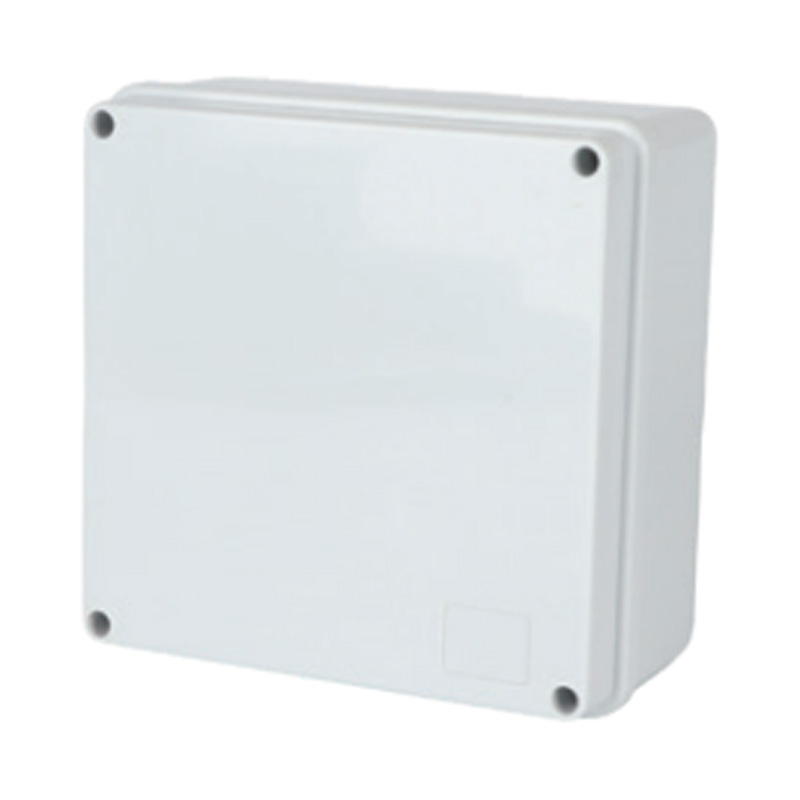
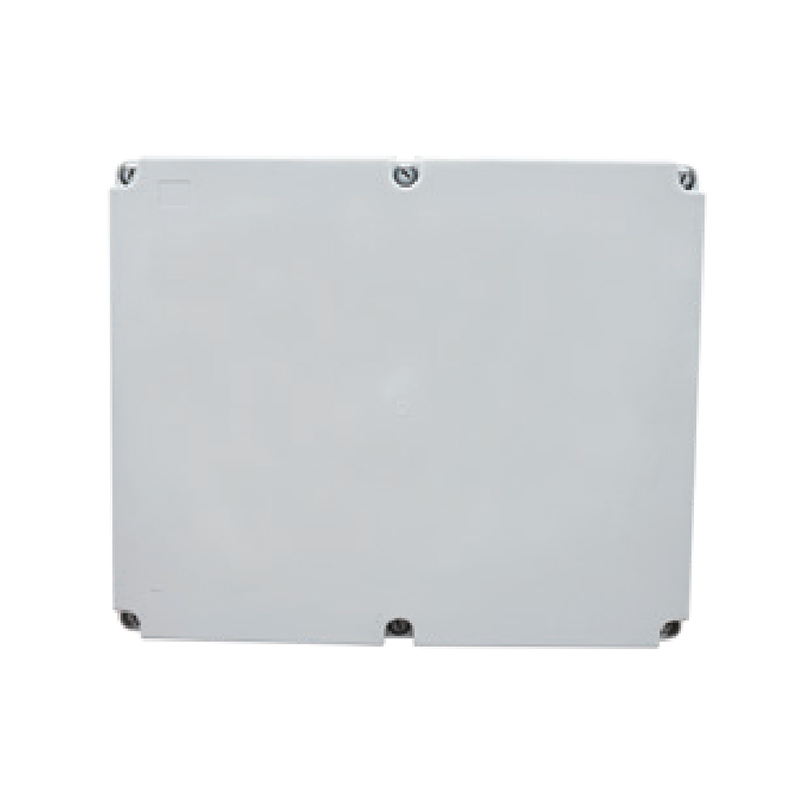
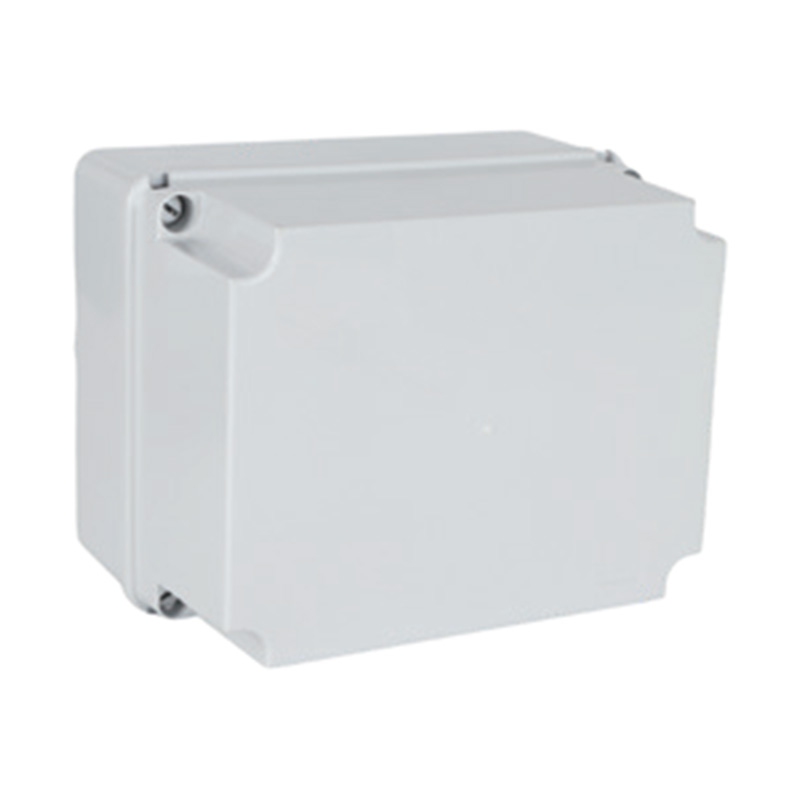
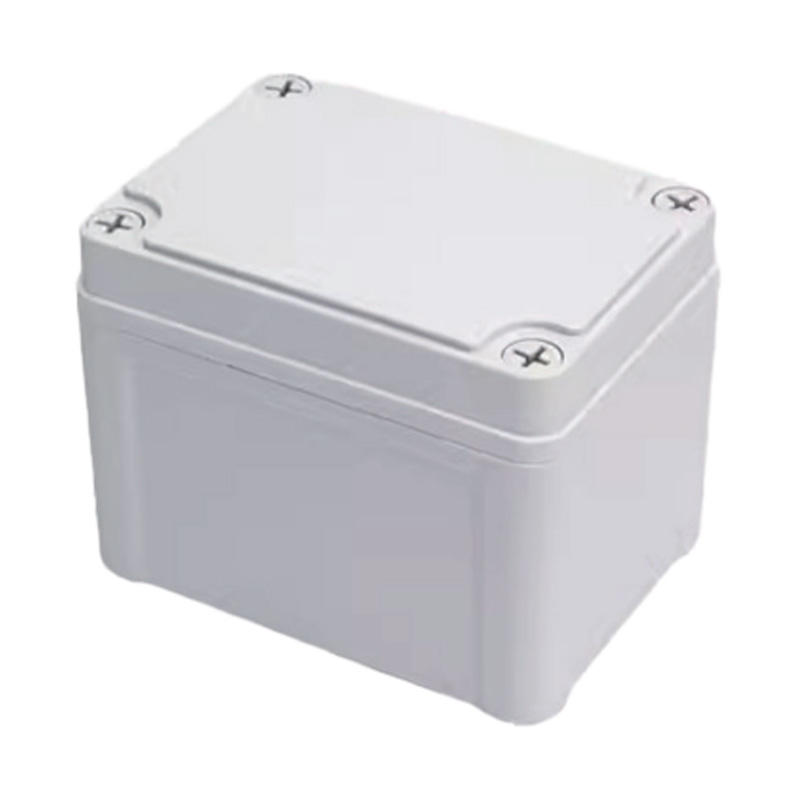
As industrial equipment is increasingly installed in outdoor areas, production facilities, construction sites, and other demanding environments, protecting electrical connections has become an important part of system reliability. Dust, moisture, vibration, and accidental impact can gradually affect internal wiring and terminals. A properly selected Heavy-duty Junction Box helps address these risks by providing a protective housing for electrical connections while supporting safer installation and easier maintenance.
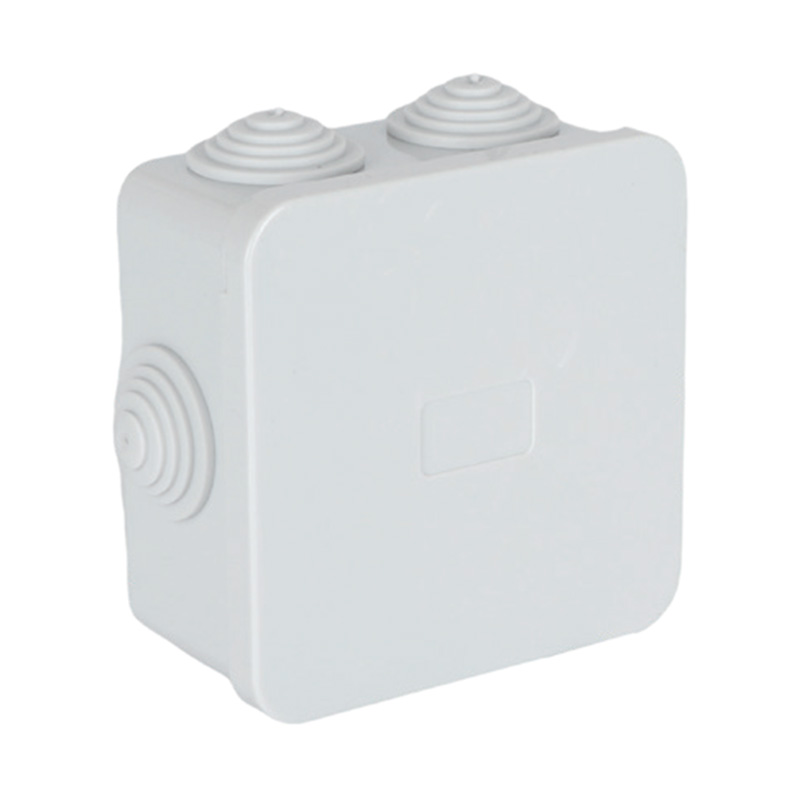
Cable Entry Sealing Is Essential for Reliable Protection
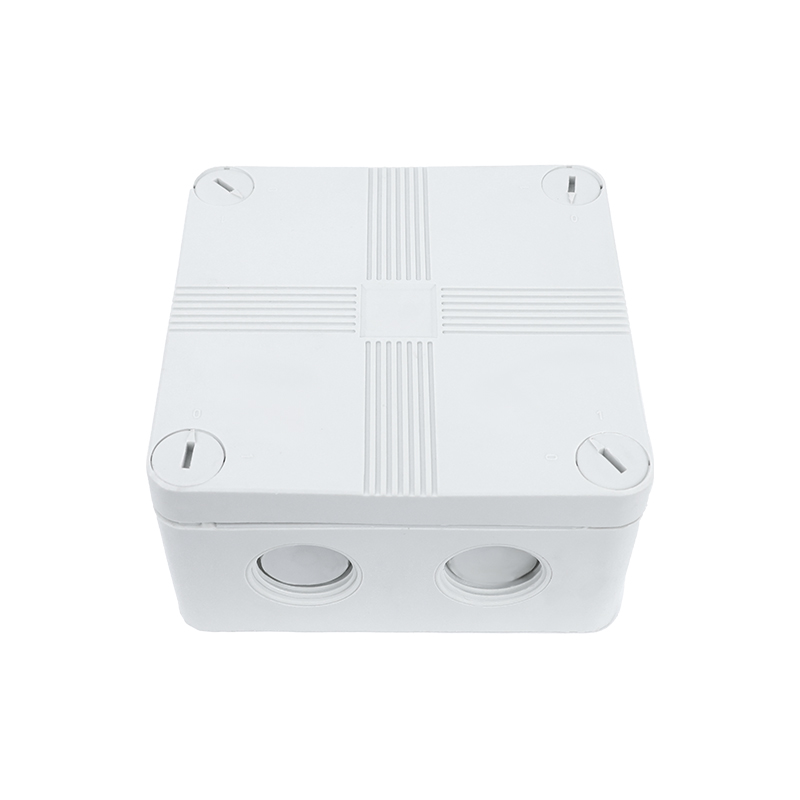
One common problem with industrial junction boxes is water entering through cable openings rather than through the enclosure body itself. Even a robust housing may lose its protective performance if cable glands are incorrectly selected or installed.
To reduce this risk, engineers should consider:
- Matching cable glands to the actual cable diameter.
- Using compatible sealing washers and blanking plugs.
- Checking that unused openings are properly closed.
- Avoiding excessive cable bending near entry points.
As a manufacturer, we pay attention to the relationship between enclosure openings, sealing structures, and installation requirements when developing heavy-duty electrical enclosures.
Selecting the Right IP Rating for the Working Environment
IP protection is an important consideration when choosing a junction box for industrial applications. Under IEC 60529, the first digit indicates protection against solid objects and dust, while the second relates to water ingress.
For example, equipment exposed to outdoor rain, industrial dust, or regular cleaning may require a different protection level from equipment installed inside a dry electrical room.
Buyers should evaluate the actual operating environment instead of selecting an IP rating based only on product appearance. The complete installation, including cable glands, covers, and mounting accessories, also affects the final protection performance.
Material Selection Matters in Harsh Conditions
Heavy-duty electrical enclosures may face corrosion, chemical exposure, temperature changes, and mechanical stress. Material selection should therefore reflect the intended application.
Metal enclosures can provide structural strength for demanding industrial installations, while engineering plastics may offer useful insulation and corrosion resistance in suitable environments.
For coastal facilities, chemical processing areas, and humid workshops, buyers should also consider surface treatment, gasket compatibility, and the corrosion resistance of fasteners. These details help prevent premature enclosure deterioration.
Internal Space and Wiring Arrangement Should Not Be Overlooked
A junction box must accommodate more than the electrical connections themselves. Crowded wiring can make installation difficult, increase maintenance time, and create unnecessary stress on terminals.
When selecting enclosure dimensions, engineers should consider:
- The number and size of incoming cables.
- Terminal blocks and connector arrangements.
- Cable bending space and internal clearance.
- Accessibility for inspection and future maintenance.
Our manufacturing approach considers enclosure dimensions and structural layout together, helping customers identify suitable configurations for different wiring requirements.
Mechanical Strength for Industrial Applications
In factories, construction equipment, transportation systems, and outdoor installations, electrical boxes may experience vibration, accidental contact, or repeated maintenance operations.
A heavy-duty structure should maintain stable cover positioning and reliable fastening. Lid construction, mounting points, wall thickness, and locking arrangements all influence practical performance.
For equipment installed in exposed locations, buyers should also check whether the mounting method can withstand the mechanical conditions at the installation site.
Inspection and Maintenance Help Extend Service Life
Even a well-designed enclosure requires periodic inspection. Environmental exposure and repeated opening can gradually affect sealing components and mechanical connections.
Maintenance teams should pay attention to damaged gaskets, loose cable glands, cracked housings, corrosion marks, and signs of internal condensation. Any damaged sealing component should be replaced according to the product manufacturer's instructions.
These checks help identify developing problems before they affect connected electrical equipment.
Working with a Manufacturer on Application Requirements
Different industrial projects have different requirements for enclosure dimensions, materials, cable entry positions, mounting structures, and protection levels. Providing these details during product selection helps avoid compatibility problems after delivery.
As a manufacturer, we focus on enclosure construction, material selection, sealing details, and production quality to support practical industrial applications. For buyers sourcing a Heavy-duty Junction Box, evaluating these factors together helps identify a suitable solution for reliable electrical connections and long-term equipment protection.

- Add: No. 196, Wei Twelve Road, Economic Development Zone, Yueqing City, Zhejiang Province, China
- Phone: +-86-18967761082
- Fax: +86-577-62056352
- Email: z1721242465@163.com
Contact us now
Copyright © 2024 Pulte Electric Technology (Wenzhou) Co., Ltd. All Rights Reserved

Wholesale Cable Gland and Connector Supplier