

 English
 中文简体
中文简体 Español
 عربى
عربى
Industry news

Is Your Waterproof Cable Junction Box Truly Sealed
 2026.02.06
 Industry news
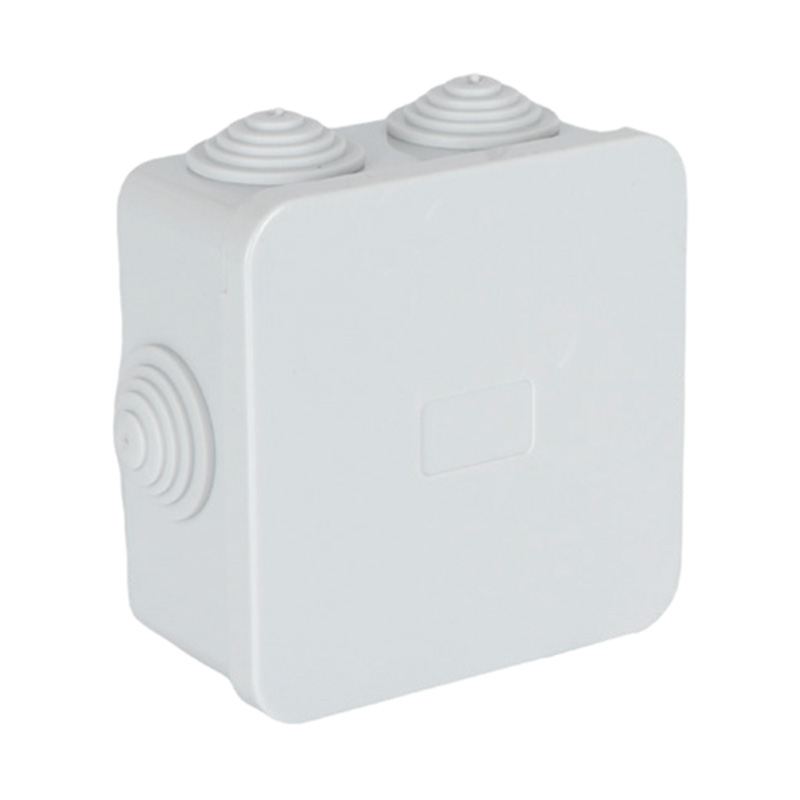
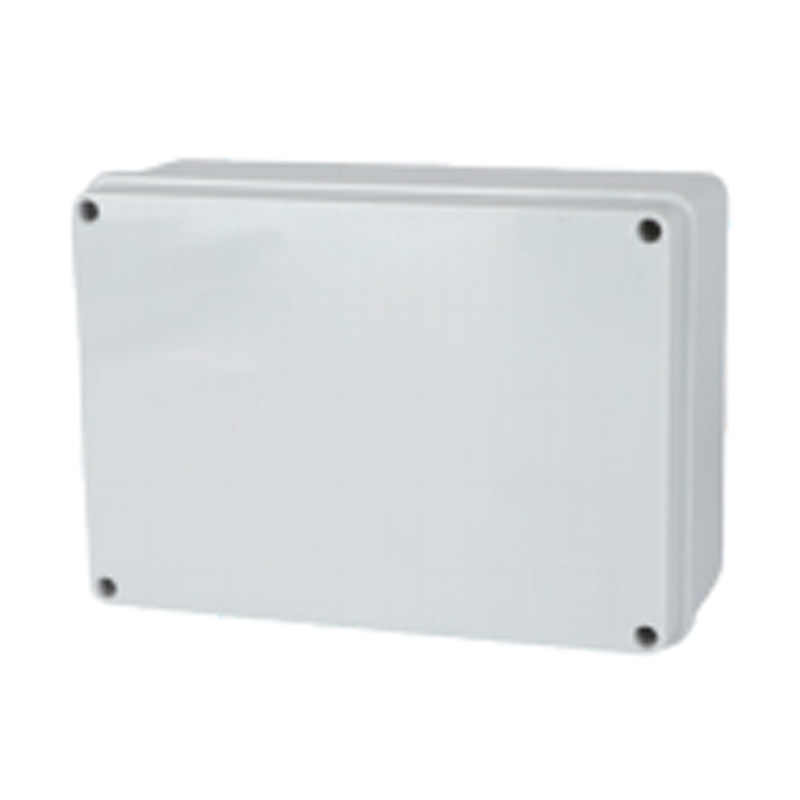
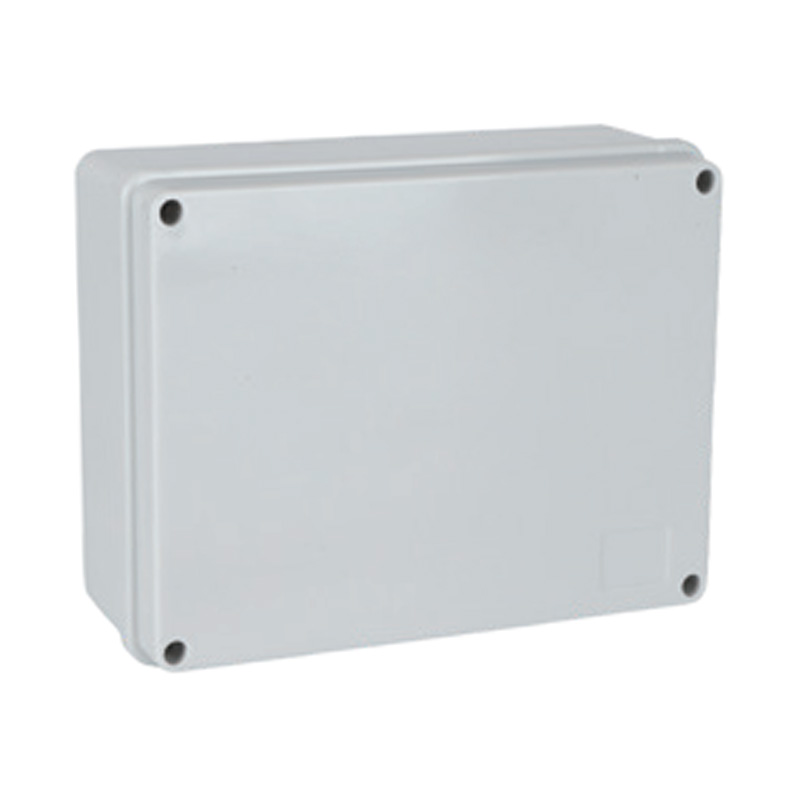
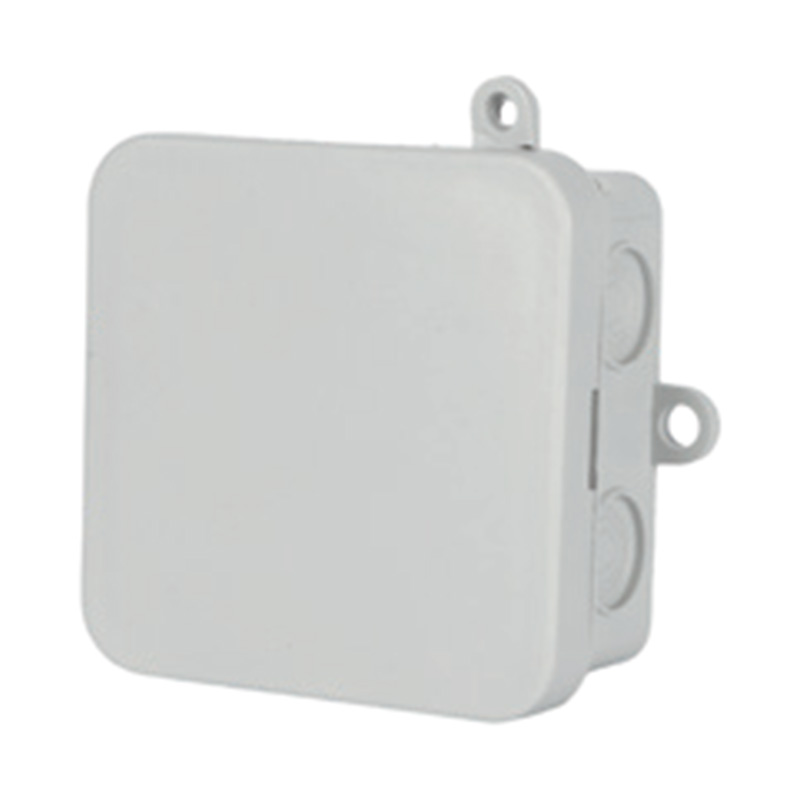
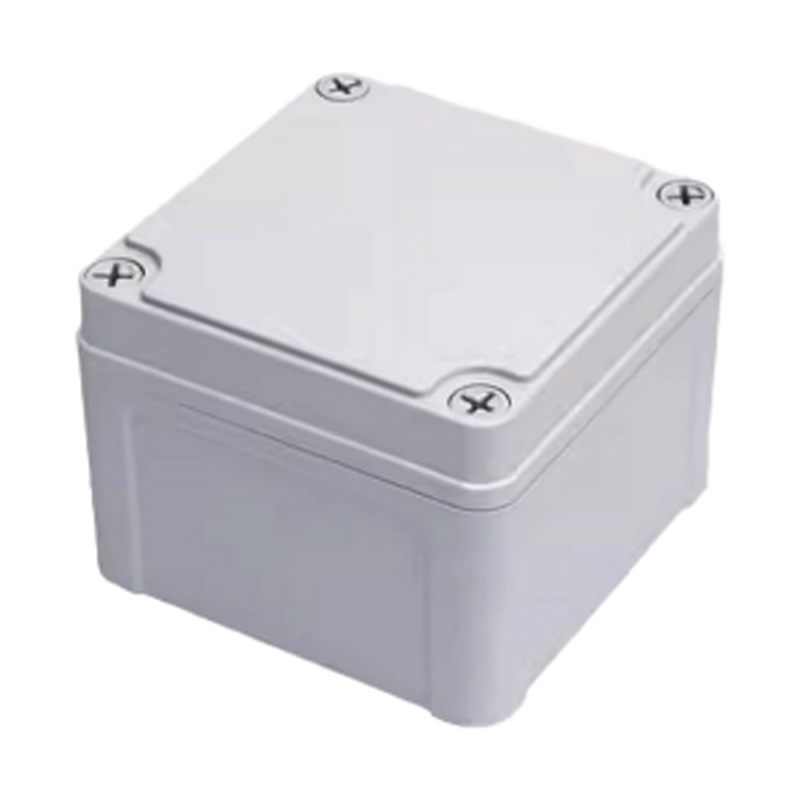
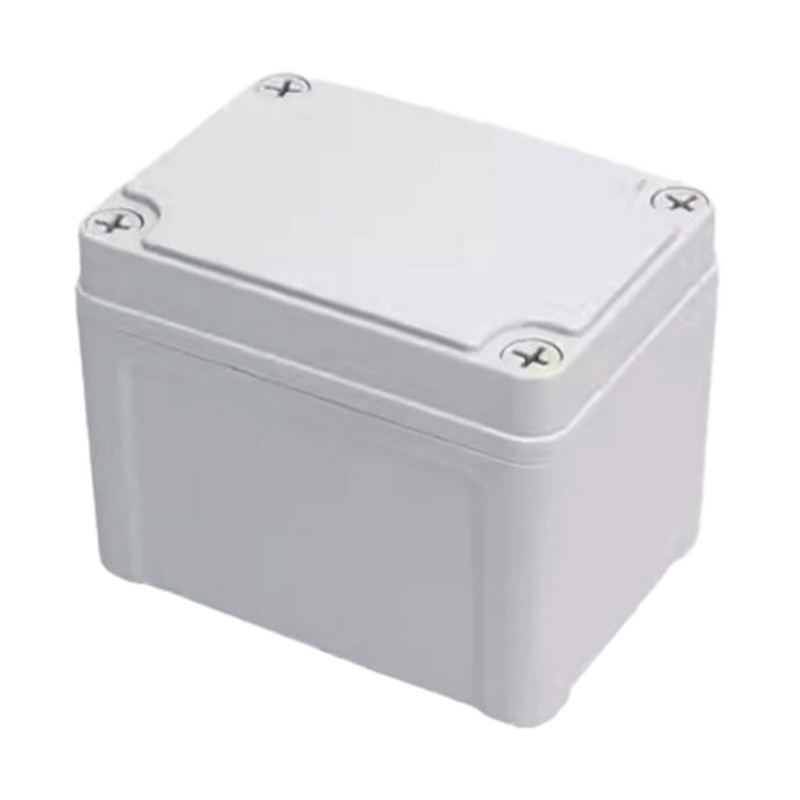
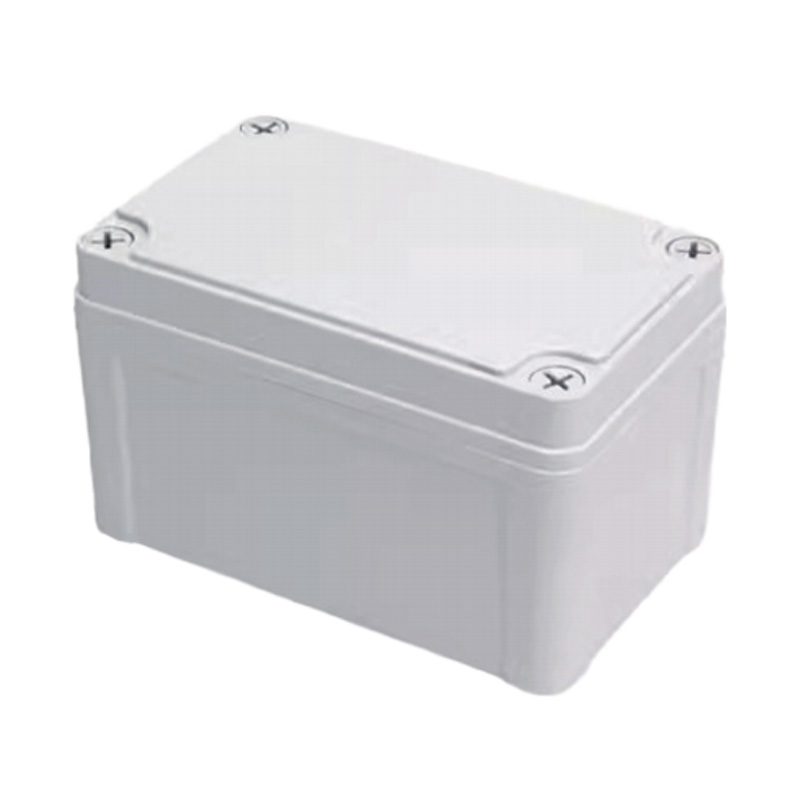
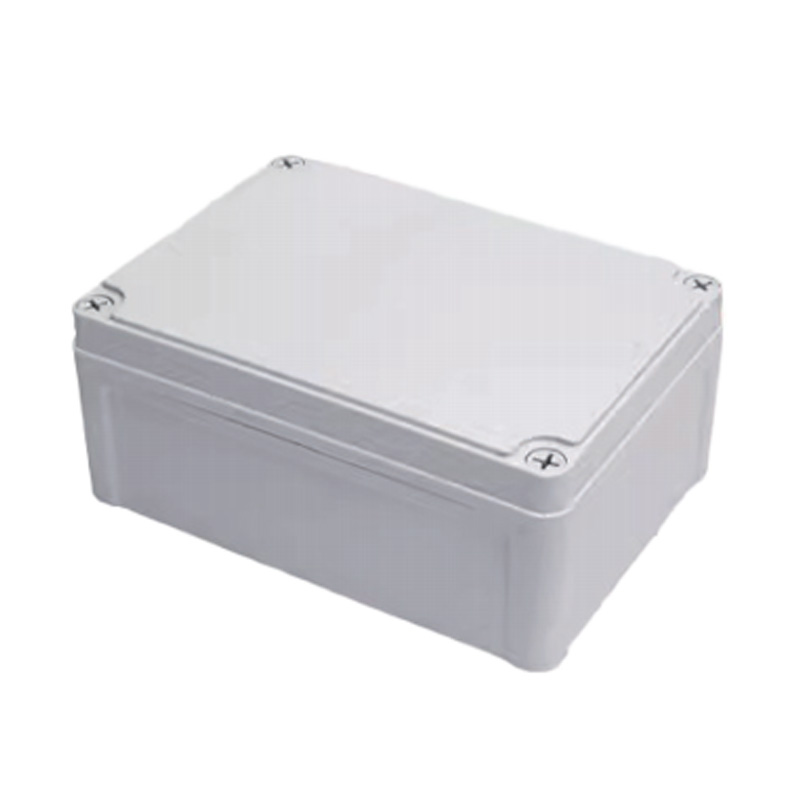
Ensuring the integrity of a Waterproof Cable Junction Box in outdoor and exposed environments is crucial for maintaining safe and consistent electrical connections. Many professionals and DIY installers alike have experienced moisture or water ingress in electrical enclosures, even when products are advertised as waterproof. Meanwhile, questions also arise about how a Heavy-duty Junction Box performs under demanding conditions. At Pulte Electric Technology (Wenzhou) Co., Ltd., we regularly see users ask whether their junction boxes are truly sealed, why failures occur, and how to diagnose and prevent these issues.
Why Sealing Matters
A waterproof junction box is designed to protect electrical connections from moisture, dust, and environmental stress. These protections are often expressed through IP (Ingress Protection) ratings such as IP65, IP66, or IP67, which indicate resistance to water and dust penetration. However, real-world installations sometimes reveal problems that undermine these protections. For example, improper sealing at the lid or cable entry points can let moisture in, compromising internal components and leading to corrosion or shorts. User-reported cases have demonstrated that even a well-sealed lid cannot prevent water from infiltrating through poorly fitted cable glands or gasketed connections.
Common Sealing Challenges
1. Lid and Gasket Issues
One of the more frequent issues arises when the lid gasket is not seated correctly or the lid fasteners are unevenly tightened. A Waterproof Cable Junction Box relies on the gasket to form a continuous barrier against water. If there are gaps or misaligned seals, water can follow paths into the enclosure, particularly when exposed to rain or hose-level water jets.
2. Cable Entry Sealing
Cable entries are another critical sealing point. User discussions and installation analysis show that moisture often enters through these points when the proper cable glands are not used. Standard plastic fittings or unsealed knockouts can allow water to enter around cables. Using IP-rated cable glands and ensuring they are correctly tightened and oriented can significantly improve water resistance. Some installers even recommend positioning cable entry from the bottom or sides of the box to reduce drip paths.
3. Material and Construction Quality
The materials used in junction boxes also play a role in maintaining waterproof integrity. Boxes made from robust materials like ABS or polycarbonate are less prone to cracking or warping under thermal stress or UV exposure. These materials help ensure that seals remain intact over a longer period. In addition, quality sealing mechanisms—such as double-chamber gaskets—can provide additional defense against moisture intrusion.
Diagnosing Moisture Problems
You might wonder: how can you tell if water is getting into a junction box? Early signs can include:
- Rust forming on metal parts inside the box
- Moisture droplets or condensation on internal surfaces
- Electrical instability, such as flickering lights or intermittent connections
Condensation itself is a subtle yet significant challenge—even boxes that are sealed against liquid water can trap moisture during installation or suffer condensation due to temperature swings. Once enclosed, moisture can lead to corrosion and short circuits over time if not addressed.
Better Practices to Ensure a True Seal
To improve the waterproof performance of junction boxes, consider the following practical steps:
- Inspect the gasket before installation to ensure it is clean, undamaged, and seated precisely in its groove.
- Select cable glands that match cable diameters and tighten them according to manufacturer instructions to prevent gaps.
- Avoid drilling unnecessary holes; if modifications are needed, seal them thoroughly with appropriate sealing compounds or IP-rated plugs.
- Mount junction boxes in sheltered or elevated locations where possible to minimize direct water exposure and pooling.
Heavy-duty junction boxes, designed for industrial or high-stress applications, often incorporate enhanced sealing techniques and materials to withstand harsher conditions. Regular inspection and maintenance of these boxes are equally important to maintaining their performance.
A Waterproof Cable Junction Box can indeed provide robust protection for electrical connections, but its real-world effectiveness depends on proper installation and attention to sealing details. Spotting early signs of moisture, investing time in correct cable gland installation, and choosing the right materials will help ensure that your electrical enclosure performs as intended. Similarly, Heavy-duty Junction Box solutions must be handled with the same care to maintain integrity under challenging conditions. Pulte Electric Technology (Wenzhou) Co., Ltd. continues to support customers by offering guidance on installation better practices and reliable enclosure solutions tailored to your application needs.

- Add: No. 196, Wei Twelve Road, Economic Development Zone, Yueqing City, Zhejiang Province, China
- Phone: +-86-18967761082
- Fax: +86-577-62056352
- Email: z1721242465@163.com
Contact us now
Copyright © 2024 Pulte Electric Technology (Wenzhou) Co., Ltd. All Rights Reserved

Wholesale Cable Gland and Connector Supplier