

 English
 中文简体
中文简体 Español
 عربى
عربى
Industry news

Selecting the Correct Waterproof Distribution Box
 2025.12.19
 Industry news
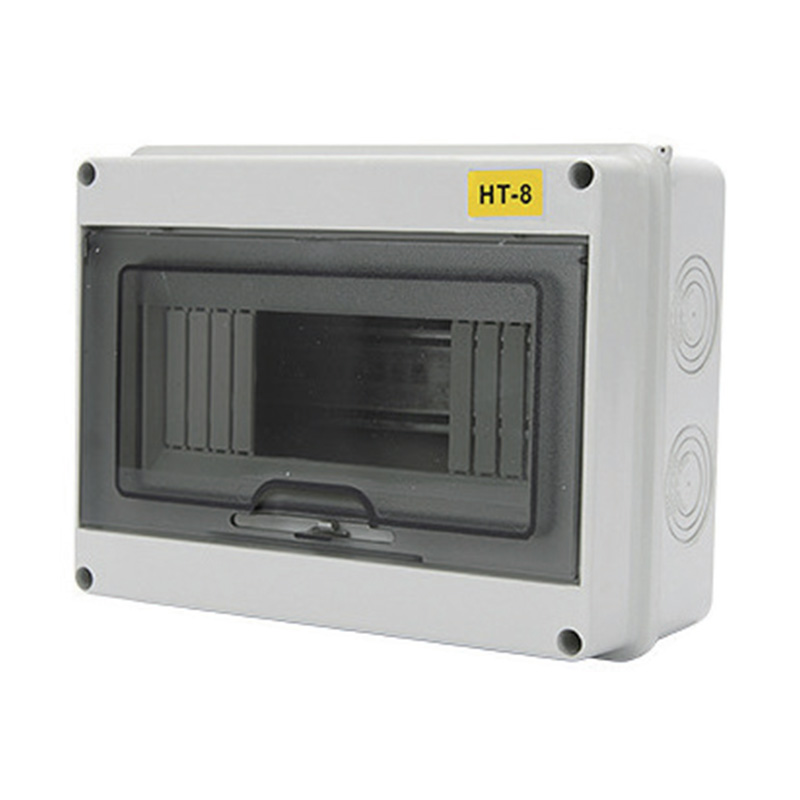
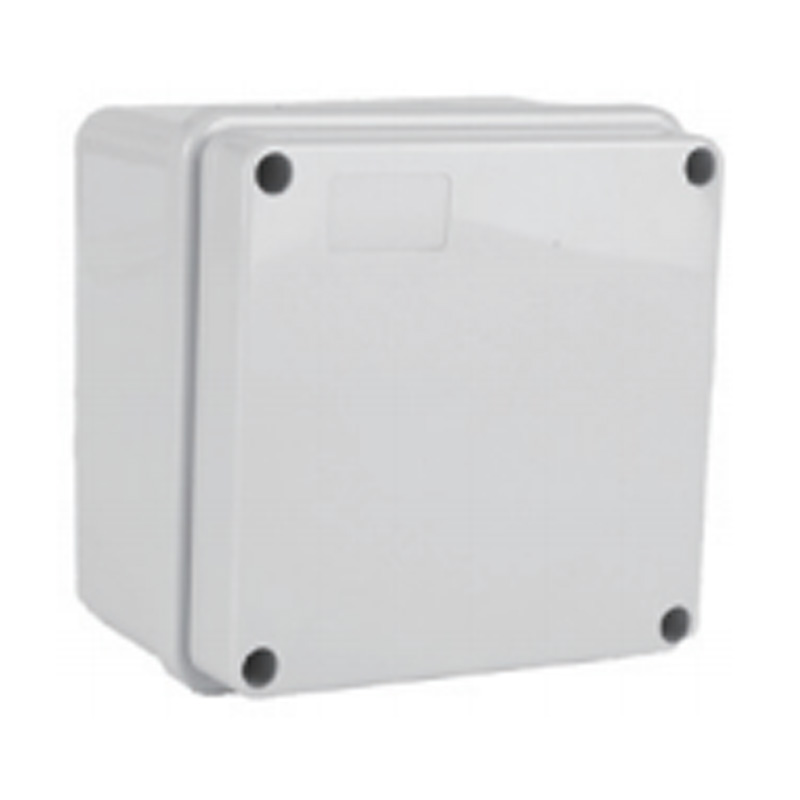
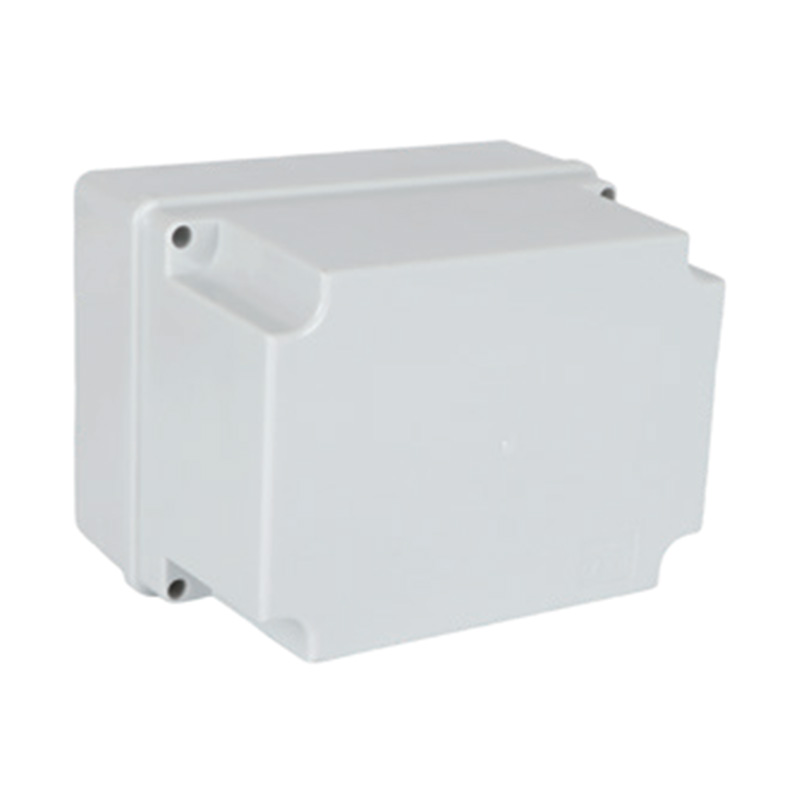
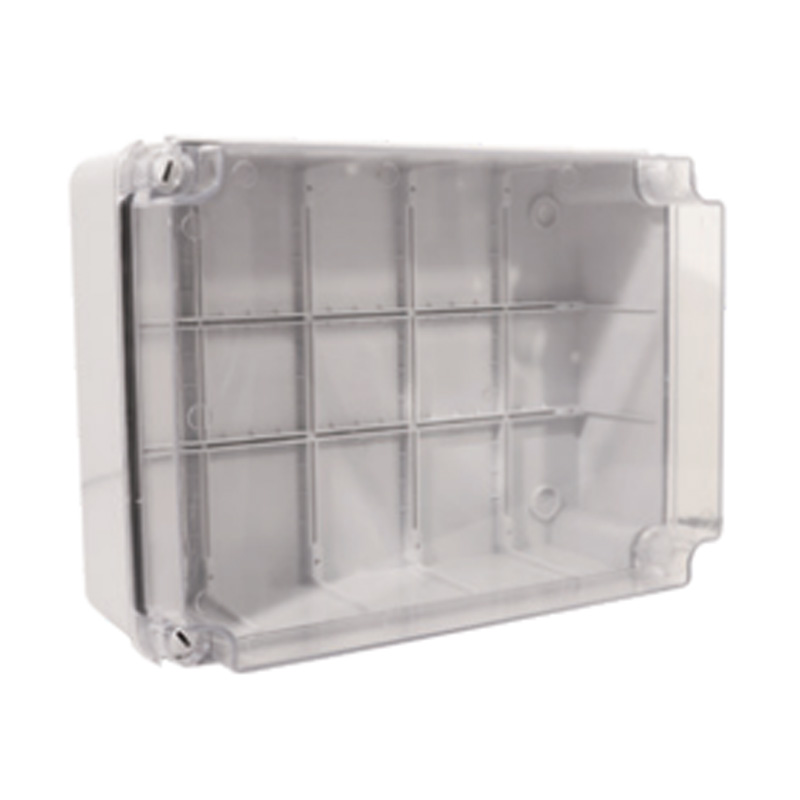
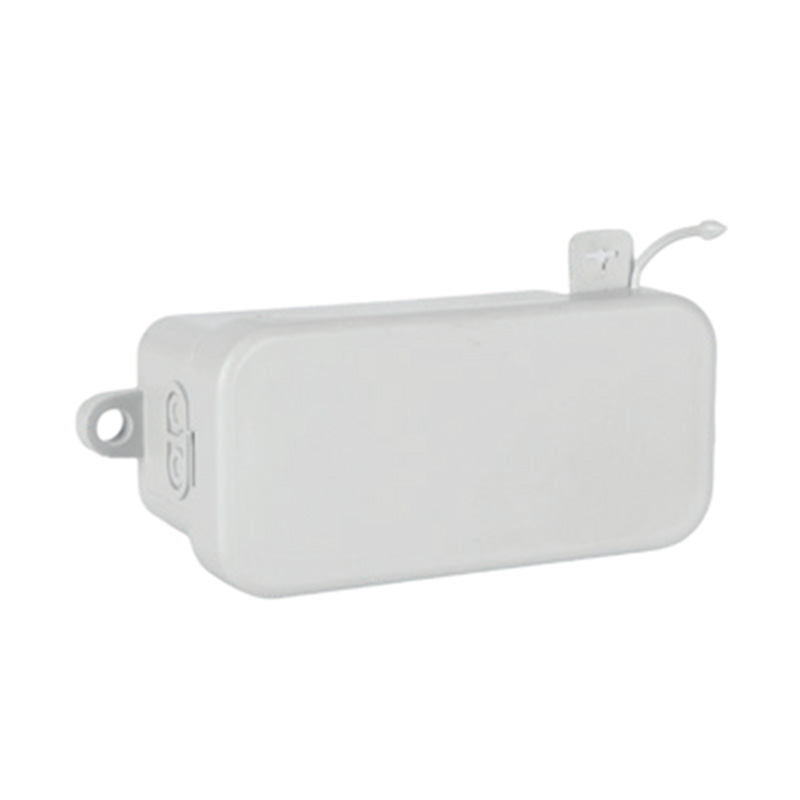
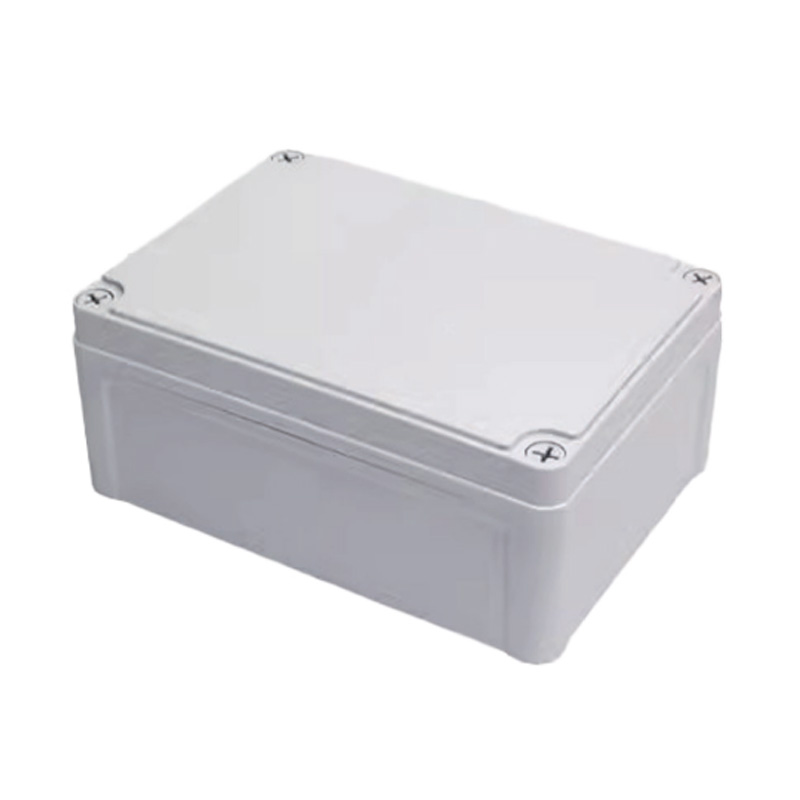
Selecting the Correct Waterproof Distribution Box involves evaluating IP ratings, materials, size, mounting, and accessories to ensure safe and reliable operation. Proper selection and installation reduce maintenance costs, extend equipment life, and provide peace of mind for residential, commercial, and industrial applications. Pulte Electric Technology (Wenzhou) Co., Ltd. offers a wide range of reliable, high-quality Waterproof Distribution Box and Waterproof Junction Box designed to meet diverse electrical protection requirements, providing solutions for every wiring and distribution need.
Key Factors in Selecting a Waterproof Distribution Box
- IP Rating Considerations
The initial step is to identify the environmental conditions where the box will be installed. IP ratings indicate the enclosure's resistance to dust and water. For example:
IP65: Dust-tight and protected against low-pressure water jets; suitable for outdoor installations such as garden lighting, small pumps, and security cameras.
IP66: Resistant to high-pressure water jets; ideal for industrial environments exposed to heavy sprays.
IP67: Fully submersible for temporary immersion; commonly used in wet areas or underground installations.
IP68: Continuous submersion protection for critical outdoor or marine applications.
- Material Selection
Plastic or Polycarbonate Boxes: Lightweight, corrosion-resistant, and cost-effective; suitable for both indoor and moderately exposed outdoor areas.
Metal Enclosures (Stainless Steel or Aluminum): Provide stronger mechanical protection and are suitable for high-impact or heavy-duty industrial applications.
Hybrid Designs: Reinforced plastic with metal frames combines durability with cost efficiency.
- Size, Capacity, and Layout
The distribution box should accommodate all wiring, terminals, and any planned expansions. Overcrowding wires can compromise safety and complicate troubleshooting. Some boxes include removable panels, modular compartments, or DIN rail mounts for better organization and future scalability.
- Mounting and Installation Options
Distribution boxes can be wall-mounted, pole-mounted, or free-standing. Consider the environment:
Indoor boxes may need ventilation slots, easy access for maintenance, and sufficient space for internal wiring.
Outdoor boxes require robust sealing, reinforced gaskets, and UV-resistant materials.
Proper installation preserves the waterproof and dustproof integrity and ensures long-term performance.
- Cable Management and Accessories
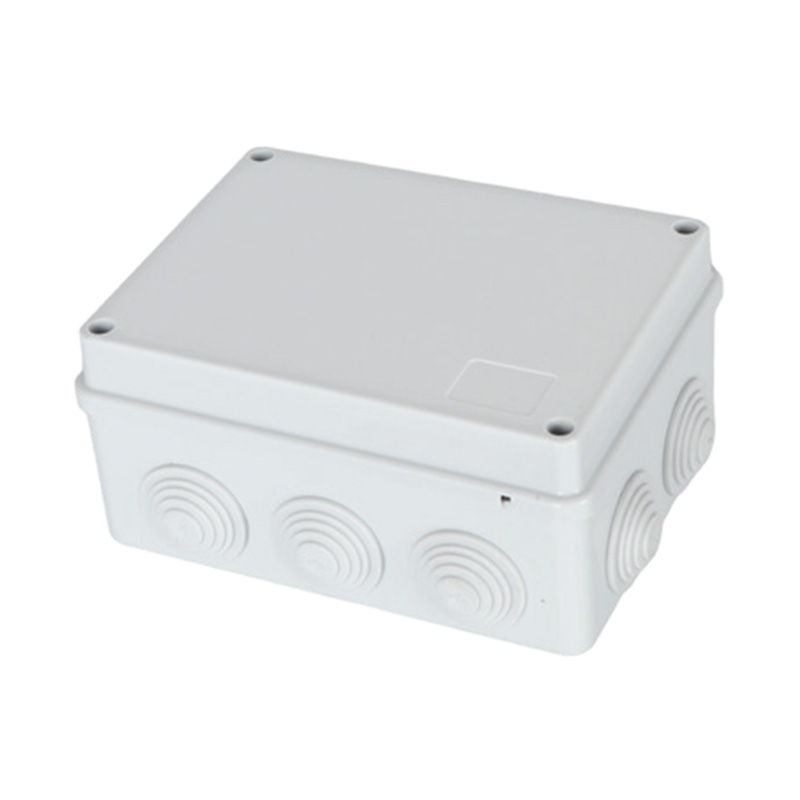
Cable Entries and Glands: Ensure proper sealing to maintain IP rating; oversized openings can compromise protection.
Internal Accessories: DIN rails, mounting brackets, terminal blocks, and lockable lids improve usability.
Pre-installed Seals: High-quality gaskets and screws simplify installation while maintaining waterproof performance.
Additional Considerations
Maintenance and Inspection: Regularly check for damaged gaskets, cracked covers, or loose screws, especially in outdoor and industrial applications.
Customization and OEM Solutions: Some projects require specific internal layouts, extra glands, or custom cutouts. Pulte Electric Technology (Wenzhou) Co., Ltd. offers tailor-made solutions to meet unique project requirements.
Compliance and Certification: Ensure that the selected boxes meet IEC, UL, or CE standards for guaranteed safety and reliability.
Practical Applications
Residential: Outdoor lighting, irrigation pumps, pool equipment, and small automation systems often require IP65-rated enclosures to withstand rain and dust.
Commercial: Building automation, security systems, and small communication cabinets benefit from IP66 protection.
Industrial: Machinery control panels, production lines, and factory automation systems need IP66–IP68 enclosures for water sprays, dust, and occasional submersion.
Telecom and Communication: Fiber junctions and outdoor networking devices require waterproof junction boxes to maintain signal integrity in all weather conditions.
Installation nicely Practices
Sealing: Verify that gaskets are correctly positioned, and screws are tightened evenly. Avoid overtightening to prevent gasket damage.
Cable Entry: Use appropriately sized glands and avoid unnecessary cuts that could compromise water resistance.
Environmental Protection: Shield outdoor boxes from direct sunlight where possible, as prolonged UV exposure may degrade some plastics.
Periodic Inspection: Conduct routine checks for wear, corrosion, or mechanical damage to maintain protection over time.

- Add: No. 196, Wei Twelve Road, Economic Development Zone, Yueqing City, Zhejiang Province, China
- Phone: +-86-18967761082
- Fax: +86-577-62056352
- Email: z1721242465@163.com
Contact us now
Copyright © 2024 Pulte Electric Technology (Wenzhou) Co., Ltd. All Rights Reserved

Wholesale Cable Gland and Connector Supplier