

 English
 中文简体
中文简体 Español
 عربى
عربى
Industry news

Are Waterproof Electrical Enclosures Easy to Modify
 2026.03.27
 Industry news
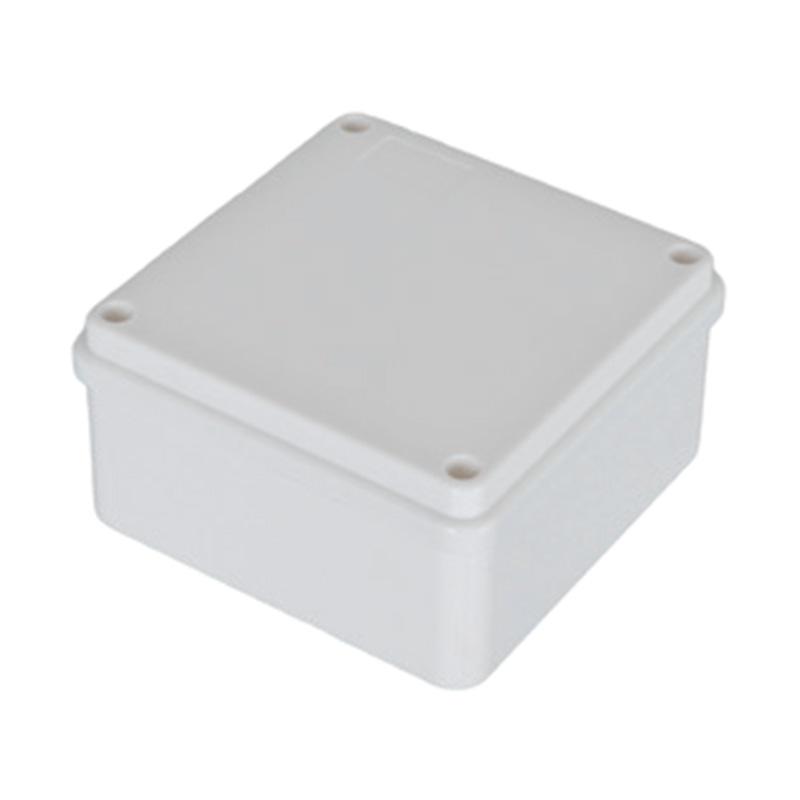
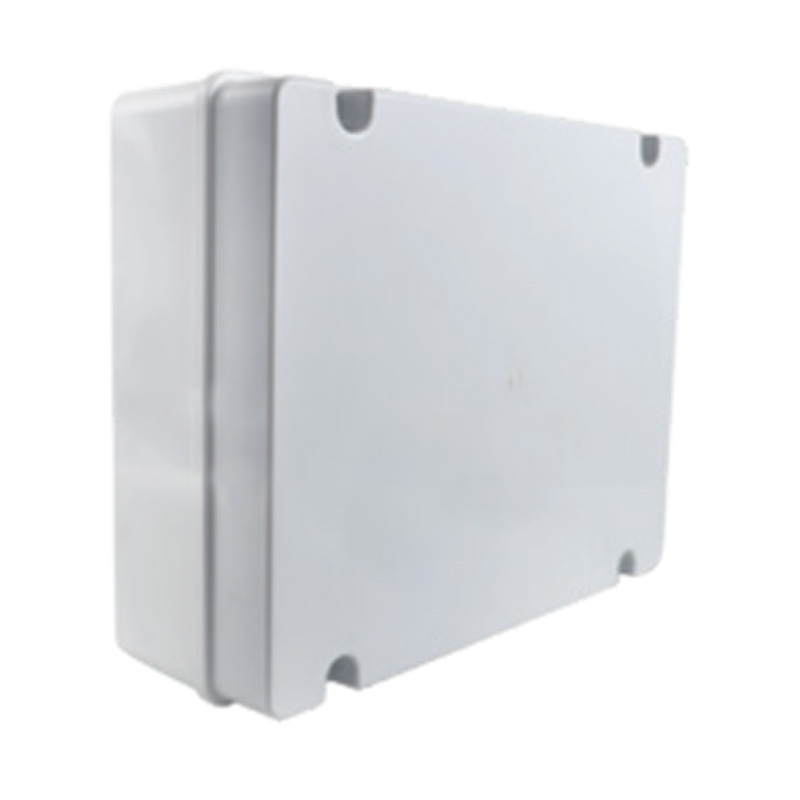
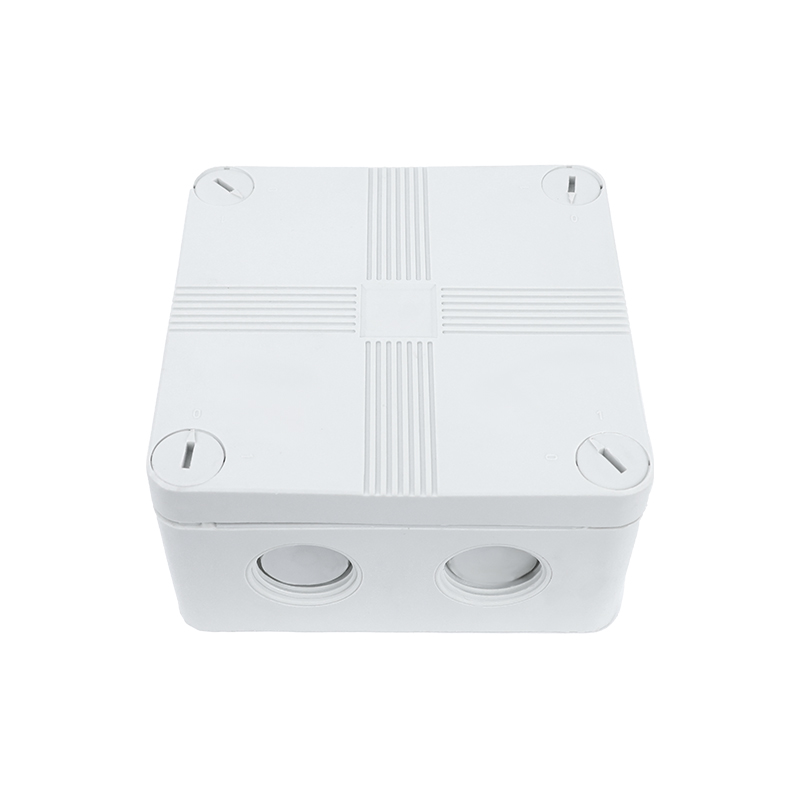
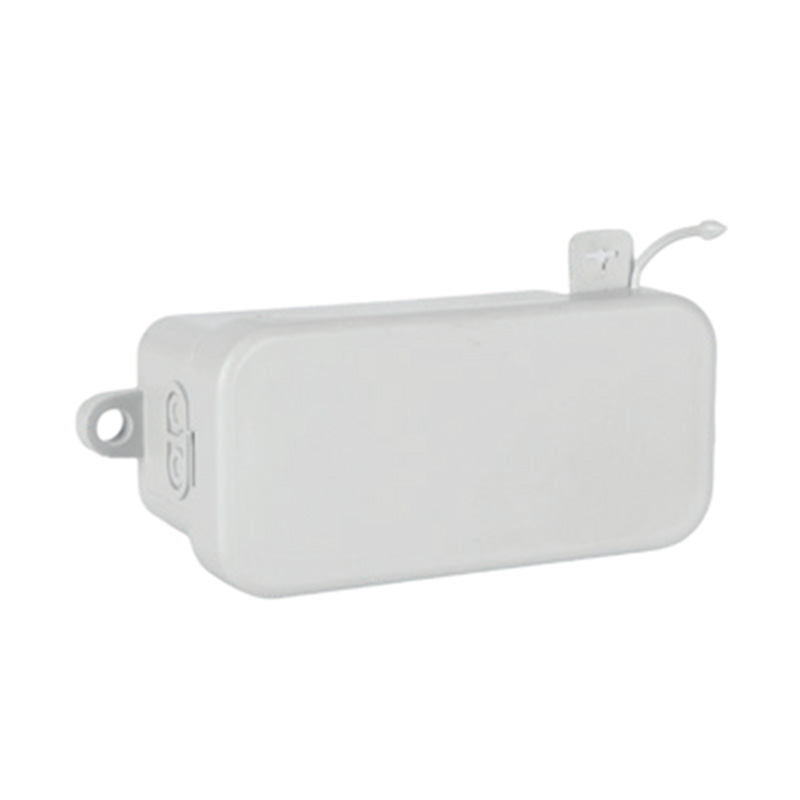
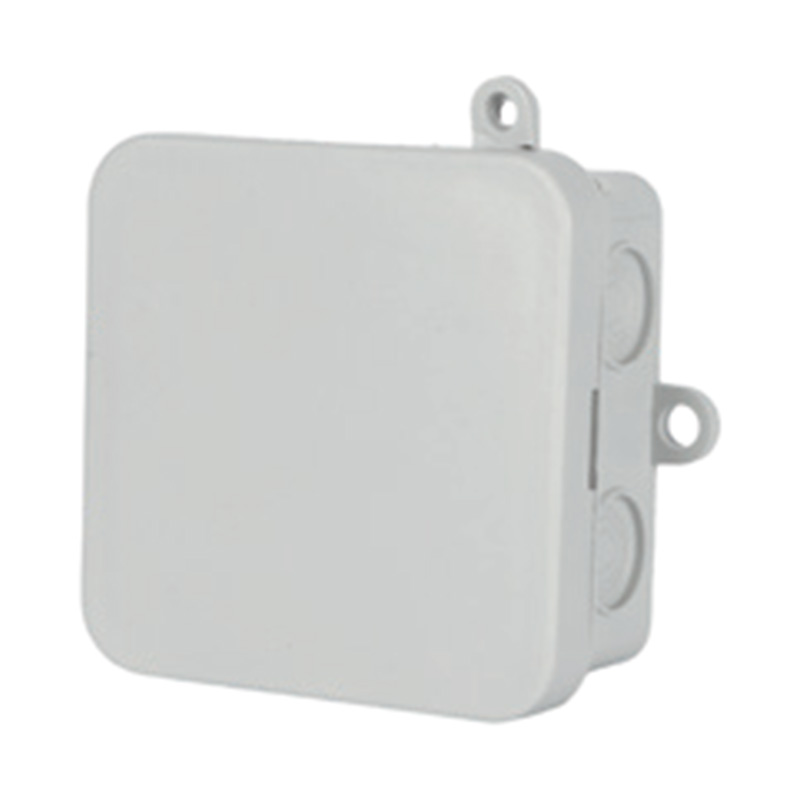
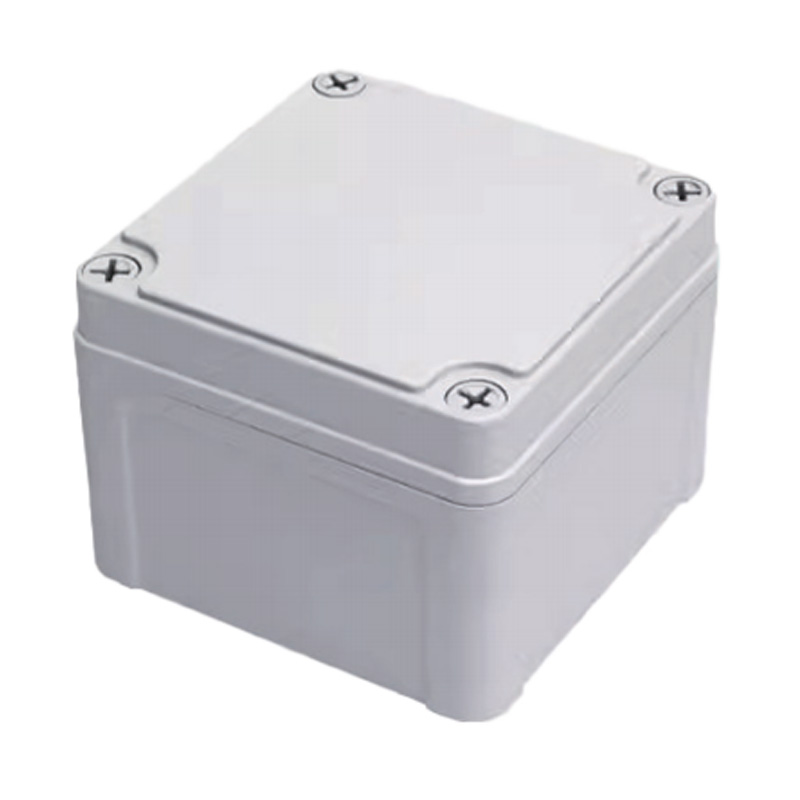
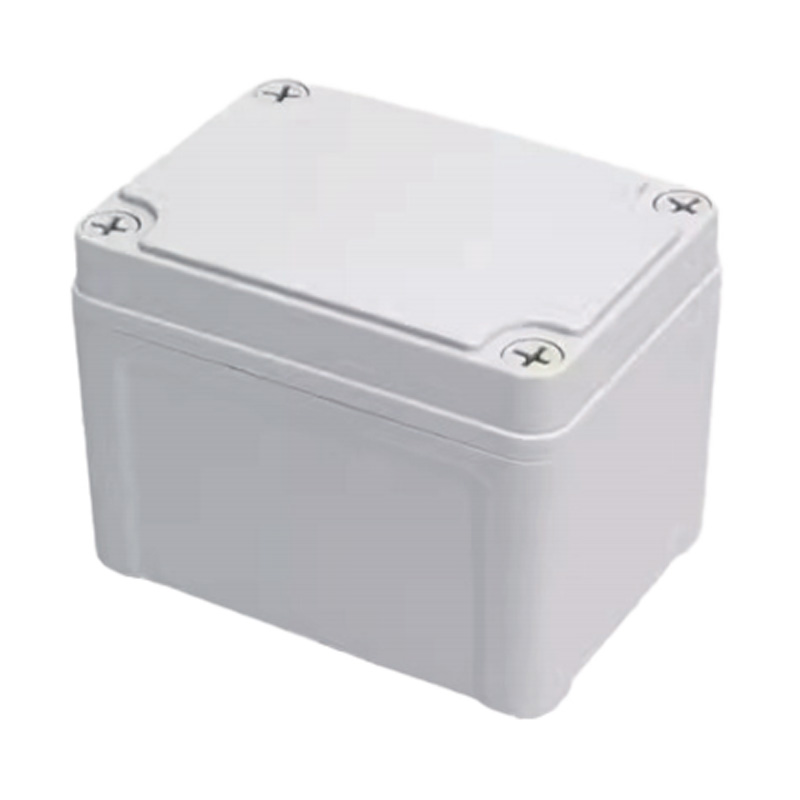
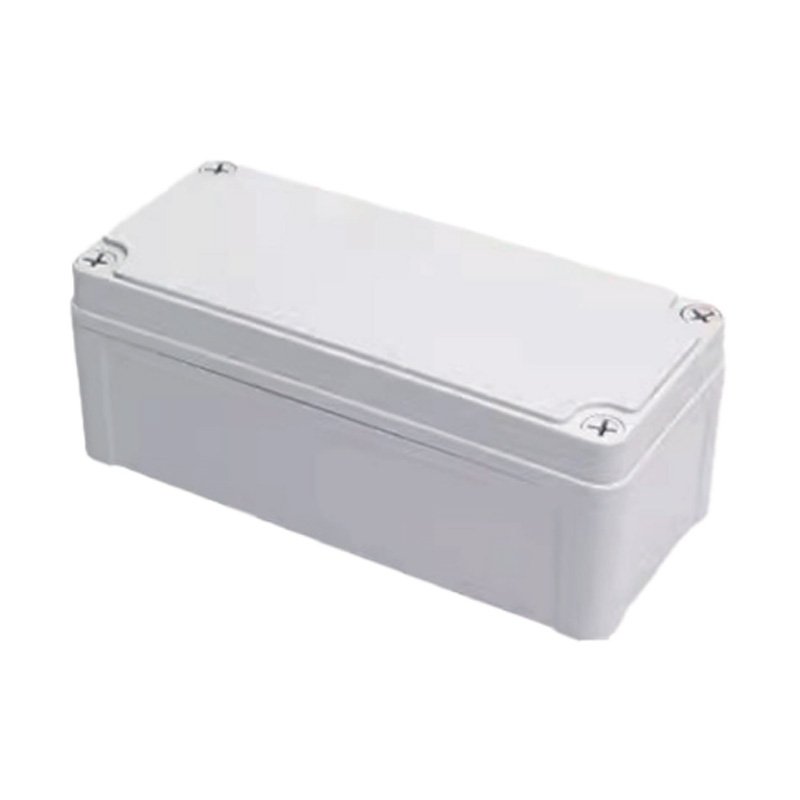
Professionals and field technicians often ask whether Waterproof Electrical Enclosures can be customized or modified easily without jeopardizing their ability to keep out water and protect critical components. This question comes up especially when installers need to add cable entries, mounting holes, or cutouts for switches and connectors on an Electrical Equipment Enclosure that was originally designed as a sealed unit. Although changing an enclosure’s structure might seem simple at primary glance, the reality is that even small modifications can affect its protection rating and long-term performance — and that’s something users are actively debating in industry forums and technical communities.
Before making changes, it’s important to understand the potential impacts and follow proper procedures for cutting, drilling, and sealing so that you don’t unintentionally compromise waterproof performance.
Why Modifying Enclosures Can Affect Waterproof Performance
Many buyers assume that because an enclosure is labeled as “waterproof,” drilling holes or adding connectors is a harmless task. In reality, every hole you drill is a potential weak point where water and contaminants can enter if not treated correctly. Common mistakes that users make during modification include:
Drilling cable entry holes without proper sealing.
Adding mounting holes without waterproof hardware.
Cutting cutouts for devices without appropriate gaskets or support.
Such errors are a frequent reason why supposedly waterproof boxes fail prematurely after installation.
Even highly-rated enclosures (such as those with IP65 or higher protection) can lose their waterproof integrity if these openings aren’t properly sealed afterward. This is similar to what many installers on Reddit and other discussion boards caution against — improper cable entries or unsealed holes quickly let moisture in.
better Practices for Modifying an Electrical Enclosure
If modification is necessary, there are several steps that experienced professionals recommend to maintain the enclosure’s performance:
Plan the Cutouts Carefully
Before drilling or cutting, identify exactly where you need to place exits for cables or components. Use templates or manufacturer drawings when possible to avoid structural weakening or seal disruption.
Use Proper Sealing Hardware
After making a cut, it’s essential to use IP-rated gaskets, bonded washers, or cable glands compatible with the enclosure’s material and rating. These sealing elements fill the gap around drilled holes and prevent moisture from entering.
Smooth Sharp Edges and Clean Surfaces
Sharp edges from drilling or cutting can damage cables and compromise gasket contact. Smoothing and cleaning the cut area ensures a better seal and prolongs the life of the enclosure.
Inspect and Test After Modifications
Once the holes and components are installed, it’s a good practice to test the waterproof seal with gentle water spray or pressure testing. Any signs of moisture ingress should prompt re-inspection and resealing.
These better practices reflect what many technical guides describe as the correct way to maintain an enclosure’s waterproof rating even after necessary modifications.
Real User Concerns About Modifying Waterproof Boxes
In community discussions, many technicians share cautionary tales about modifying waterproof junction boxes without considering the consequences. One common theme is that drilling holes in enclosures not originally designed for modifications often voids the original protection rating and undermines waterproof performance.
Some users highlight that:
Using pre-designed knockout holes provided by the manufacturer is safer than creating new holes arbitrarily.
Modifying outside of manufacturer guidelines often voids any listing or certification the enclosure had.
Even experienced installers debate the balance between easy modifications and maintaining environmental protection.
These user-generated examples show that while many modifications can be done safely, they require proper planning, sealing materials, and a clear understanding of the enclosure’s original design limitations.
Installation Tips That Reduce Risk
Here are several recommended approaches that have practical value for those planning modifications:
1. Pre-drilled Mounting Points
Use mounting ears or tabs that come with the enclosure instead of drilling into the back panel. This minimizes direct water pathways.
2. Seal All Openings
Sealing washers and IP-rated cable glands around cutouts ensure that even added holes don’t become weak points for water ingress.
3. Avoid Return on Investment Loss
Avoid unnecessary holes that could void product warranties or protection listings. Maintaining the rating has long-term cost benefits.
These practical tips align with what industry forums and technical sources recommend for preserving waterproof performance after modification.
Modifying a Waterproof Electrical Enclosures is something many professionals find necessary, but doing so requires care and appropriate techniques. Drilling holes or making cutouts without proper sealing materials can easily compromise an enclosure’s waterproof rating and expose internal components to moisture and contaminants. By planning modifications, using suitable hardware, and maintaining robust seals, you can retain protection while adapting an Electrical Equipment Enclosure to your needs. Approaching modifications with awareness and better-practice methods ensures both safety and long-term performance in real-world conditions.

- Add: No. 196, Wei Twelve Road, Economic Development Zone, Yueqing City, Zhejiang Province, China
- Phone: +-86-18967761082
- Fax: +86-577-62056352
- Email: z1721242465@163.com
Contact us now
Copyright © 2024 Pulte Electric Technology (Wenzhou) Co., Ltd. All Rights Reserved

Wholesale Cable Gland and Connector Supplier