

 English
 中文简体
中文简体 Español
 عربى
عربى
Industry news

Can Electrical Equipment Enclosure Survive Heavy Rain
 2026.03.20
 Industry news
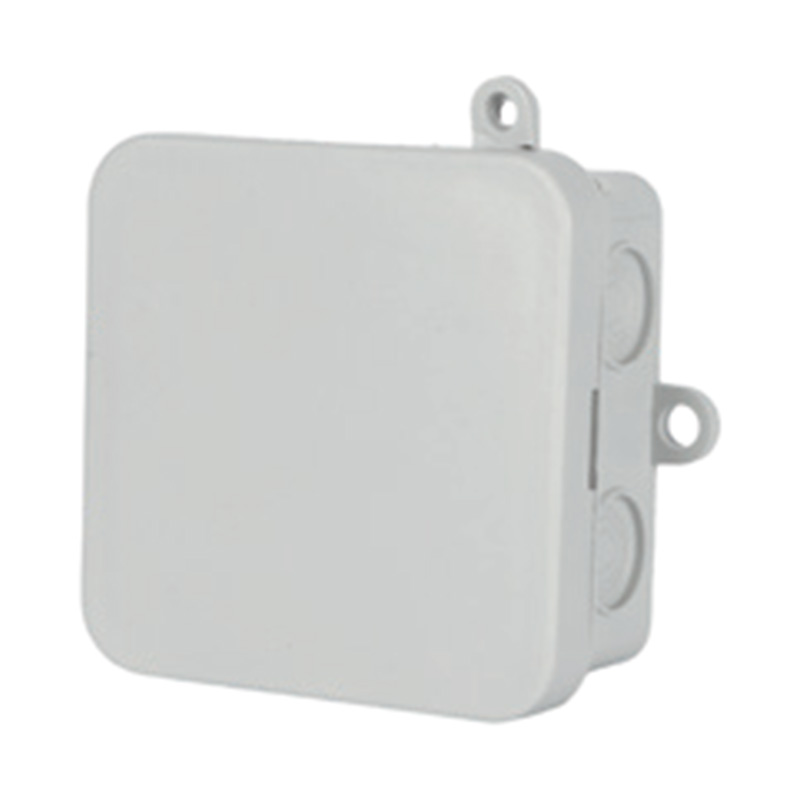
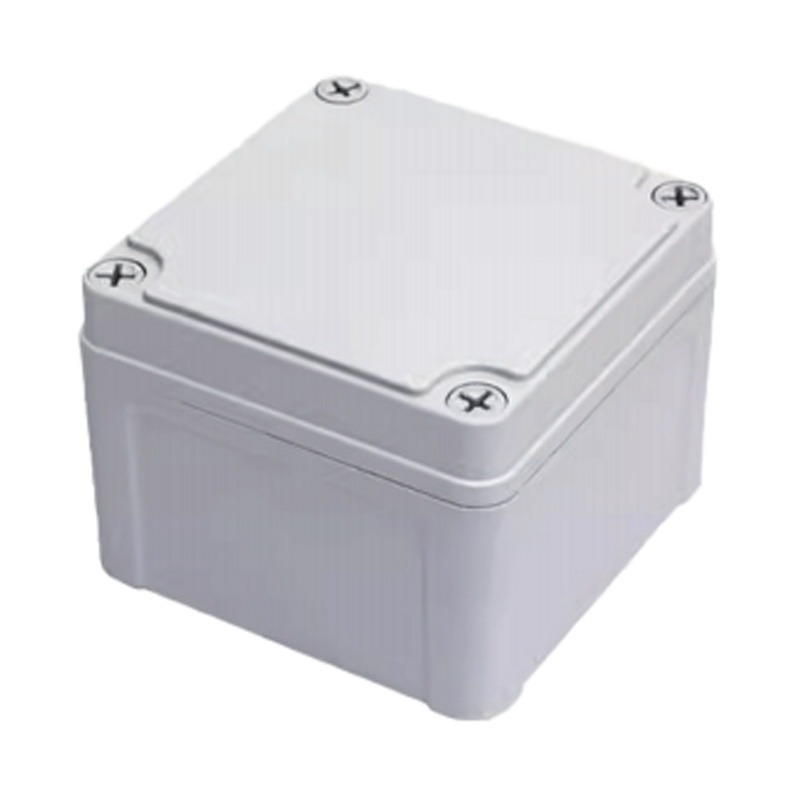
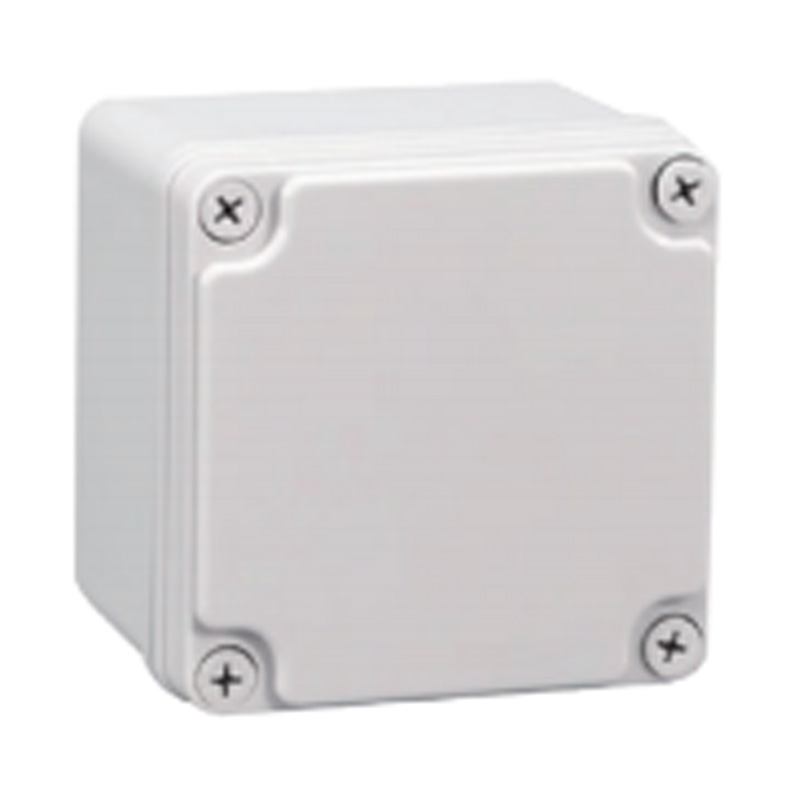
Heavy rainstorms, monsoon climates, and unpredictable weather patterns can create real challenges for outdoor electrical systems. One question that regularly appears in professional discussions is whether a well-designed Electrical Equipment Enclosure can truly survive prolonged periods of heavy rain without letting water compromise sensitive electronics inside. Related concerns also appear in debates about Waterproof Electrical Enclosures’ performance in coastal and tropical areas with intense storms and high humidity.
What Ratings Say About Rain Protection
One of the primary things professionals check is the ingress protection rating, often expressed as an IP code. The second digit in an IP rating tells you how well the enclosure resists water exposure:
IP65 protects against water jets and light rain — suitable for general outdoor use.
IP66 offers stronger defense against powerful water jets like violent rainstorms.
IP67 extends protection to temporary submersion, which can help in flooding scenarios.
These ratings are a good starting point for choosing a Waterproof Electrical Enclosures for outdoor settings. However, professionals caution that the rating alone isn’t the whole story — proper installation and accessories are equally important.
In North American contexts, engineers also rely on NEMA ratings, where types like NEMA 4 and NEMA 4X are tested to withstand rain, hose-directed water, and moderate washdown conditions outdoors.
Common Field Discussions: What Users Notice in Heavy Rain
Real user conversations reflect that even well-rated enclosures can fail in heavy or prolonged rain if certain details are overlooked:
Users have shared issues where an outdoor socket with a supposed waterproof cover ended up exposed after a storm because the cover wasn’t properly secured — stressing that proper sealing is essential, not just having a rated box.
In some online forums, hobbyists and technicians debate whether IP-rated enclosures truly keep out water after years of heavy rain, with one commenter explaining how important it is to avoid unnecessary openings or to use proper IP-rated glands and connectors.
Another thread highlights that heat buildup can create internal pressure differences that pull moisture in through seals after rainstorms — an aspect that many enclosures, even those marketed as “waterproof,” may struggle with unless additional features are included.
These real-world discussions highlight that enclosure performance during heavy rain isn’t just about lab ratings — it’s about comprehensive design and proper installation in real environmental conditions.
Rain-Ready Design Features to Look For
When preparing for frequent or intense rainfall, here are key design features and installation practices that help ensure an enclosure performs well:
High Quality Sealing Systems
Advanced gaskets made of EPDM or silicone are more durable and maintain a tight seal under repeated wet/dry cycles. Latches that compress the door uniformly help maintain the seal even as temperatures change.
Downward Cable Routing and Glands
Cable entry points are often the weakest link for water ingress. Choosing appropriate IP-rated cable glands and arranging cables in downward loops (also known as drip loops) helps prevent water from tracking into the enclosure.
Breather Vents and Pressure Equalization
Some installations incorporate breathable vents that allow air to pass while keeping water out. These help balance internal air pressure after temperature changes caused by rain, reducing the risk of seal stress and moisture ingress.
Proper Mounting and Drainage
Positioning the enclosure slightly tilted or adding drainage plugs at the lowest point helps water runoff during storms. This avoids standing water around seams or hardware that could slowly seep inside.
Top Tips from Professional Discussions
Professionals and field technicians share some practical insights from years of working with outdoor enclosures:
Don’t rely solely on “waterproof” wording — always check the actual rated protection level for rain exposure and realistic site conditions.
Evaluate the quality of seals and assembly hardware periodically, especially after heavy storm seasons.
Consider environmental factors like humidity, UV exposure, and temperature changes in addition to rain — all these can influence how the enclosure performs over time.
At Pulte Electric Technology (Wenzhou) Co., Ltd., we follow these insights in product design and advise customers on matching enclosures with specific outdoor conditions to ensure reliable rain protection.
Heavy rain presents a real test for any Electrical Equipment Enclosure designed for outdoor duty. While waterproof ratings like IP66 or NEMA 4X are powerful indicators of capability, true performance also depends on sealing technology, installation detail, and ongoing maintenance. By understanding real-world challenges and using thoughtful design practices, you can better select and install waterproof enclosures that truly withstand the rain and keep your electrical systems safe and dry.

- Add: No. 196, Wei Twelve Road, Economic Development Zone, Yueqing City, Zhejiang Province, China
- Phone: +-86-18967761082
- Fax: +86-577-62056352
- Email: z1721242465@163.com
Contact us now
Copyright © 2024 Pulte Electric Technology (Wenzhou) Co., Ltd. All Rights Reserved

Wholesale Cable Gland and Connector Supplier