

 English
 中文简体
中文简体 Español
 عربى
عربى
Industry news

Do Waterproof Electrical Enclosures Stop Condensation
 2026.03.13
 Industry news
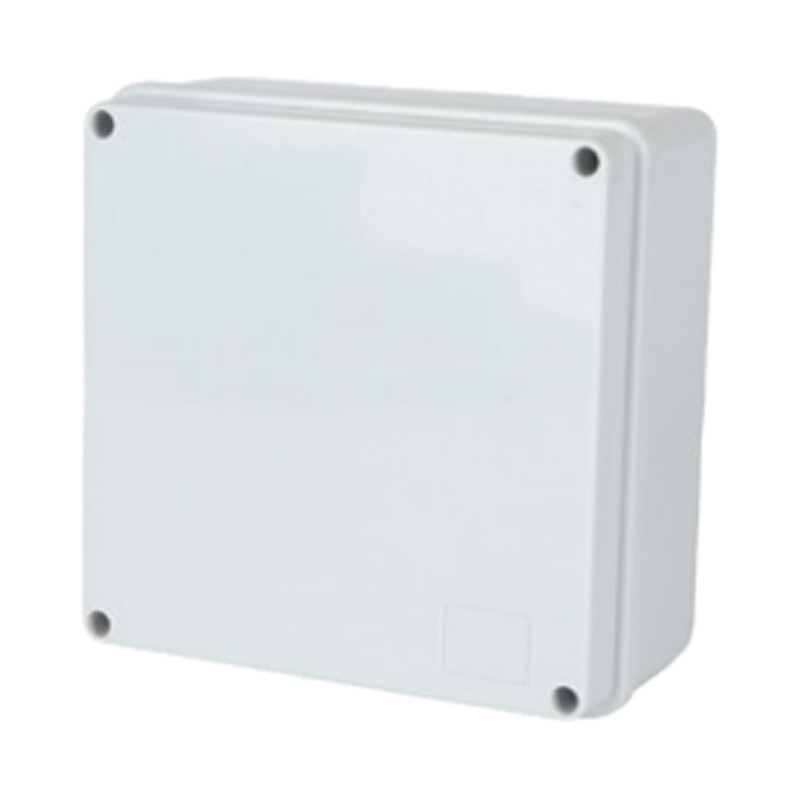
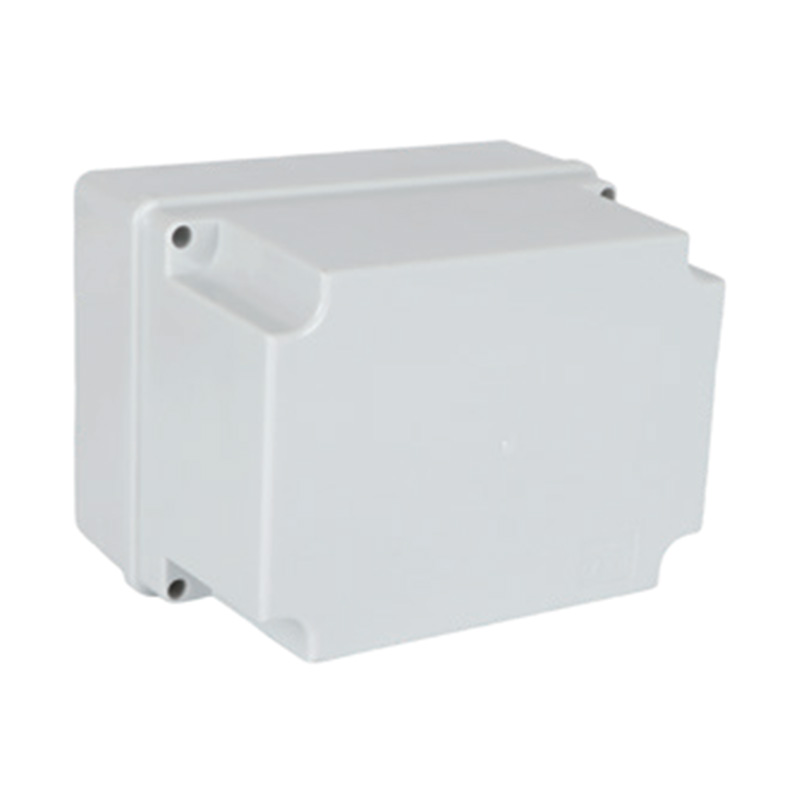
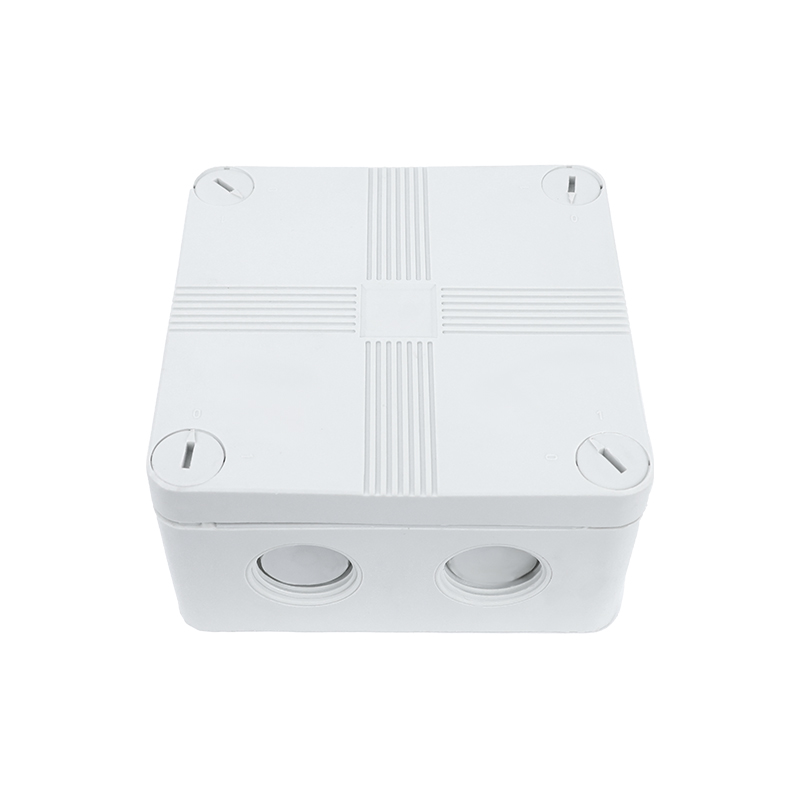
A common concern among installers, technicians, and engineers isn’t just whether a Waterproof Electrical Enclosures can keep rain out — it’s whether those sealed boxes can also prevent condensation from forming inside. Professionals working with a range of outdoor and indoor electrical systems regularly encounter moisture-related problems even when using rated cabinets, and those issues are debated in forums and trade communities. Understanding how condensation forms and what steps can help manage it can greatly improve performance and safety of an Electrical Equipment Enclosure in service.
Studies and industry discussions reveal that moisture inside an enclosure can happen even when there is no obvious leak. When humid air cools inside the box, water vapor can turn into liquid droplets, which may cause corrosion, short circuits, and insulation degradation over time. Maintaining stable temperature and humidity levels inside the enclosure is therefore vital for long-term performance.
Why Condensation Happens Inside Enclosures
Most discussions agree that condensation is a result of temperature variations and trapped humidity rather than external water entering the box. For example:
Rapid cooling at night or heat gain during the day can cause warm, humid air inside a sealed box to reach its dew point and condense on internal surfaces.
Even a perfectly sealed waterproof enclosure will trap moisture from the air that was inside at the time of closing or introduced through slight permeation over time.
This is especially noticeable in metal enclosures that transfer heat quickly. Electrical components and wires can remain warm while the enclosure shell cools down, accelerating condensation.
Real-World Discussion: Forum Insights
Professionals online report scenarios where waterproof junction boxes develop fog or moisture even without external leaks. In one technical forum, users described significant condensation inside watertight enclosures used for underwater electronics, suggesting that humidity inside and differences in environmental conditions can drive moisture formation.
Some practical feedback from field electricians includes:
Moisture accumulating around terminals and connectors due to temperature swings.
Outdoor protective cabinets collecting condensate over time, prompting users to consider venting solutions or drainage to mitigate buildup.
These real-world examples show that simply having a “waterproof” rating isn’t always enough to stop internal condensation problems.
Design and Installation Practices to Control Moisture
There are several effective strategies professionals recommend to reduce condensation inside enclosures:
1. Control internal humidity before closing
Drying out components or placing desiccant packs (like silica gel) inside the enclosure can help lower humidity levels before sealing.
2. Choose proper cable glands and seals
Moisture can enter through cable entry points if sealing isn’t done properly. Using glands with sealed grommets and downward looped cables (drip loops) helps prevent water paths that could contribute to humidity changes.
3. Venting or breathable elements
Some enclosures allow pressure-balancing vented glands that help equalize internal and external pressure without letting liquid water in. These can significantly reduce condensation risk.
4. Regular maintenance of seals
Gaskets and seals can wear over time. Checking them periodically and replacing worn parts can maintain consistent performance.
At Pulte Electric Technology (Wenzhou) Co., Ltd., we emphasize choosing products and accessories that fit the intended environment and using proper installation techniques to help avoid moisture-related failures.
Practical Tips for Specifiers and Installers
Here are key takeaways that experienced professionals frequently mention in industry discussions:
Don’t rely solely on waterproof ratings; understand that internal condensation is driven by humidity and temperature changes.
Consider environmental conditions where the enclosure will be placed — shaded areas or locations with stable temperature can reduce moisture issues.
Plan for humidity control measures (desiccants, vented glands, or even temperature management) when specifying cabinets for variable climates.
Choosing the right combination of design features and practical installation practices can help ensure that a Waterproof Electrical Enclosures not only keeps rain out but also minimizes the risk of moisture building up inside.
Condensation inside an enclosure is a real challenge that goes beyond simple rain protection. While Waterproof Electrical Enclosures are designed to keep water from entering, they do not inherently stop internal moisture build-up caused by temperature changes and trapped humidity. Through thoughtful design choices, effective sealing practices, and humidity management methods, professionals can significantly reduce condensation risk, improving safety and longevity of their Electrical Equipment Enclosure installations.

- Add: No. 196, Wei Twelve Road, Economic Development Zone, Yueqing City, Zhejiang Province, China
- Phone: +-86-18967761082
- Fax: +86-577-62056352
- Email: z1721242465@163.com
Contact us now
Copyright © 2024 Pulte Electric Technology (Wenzhou) Co., Ltd. All Rights Reserved

Wholesale Cable Gland and Connector Supplier