

 English
 中文简体
中文简体 Español
 عربى
عربى
Industry news

Electrical Equipment Enclosure: How Waterproof Is It
 2026.03.06
 Industry news
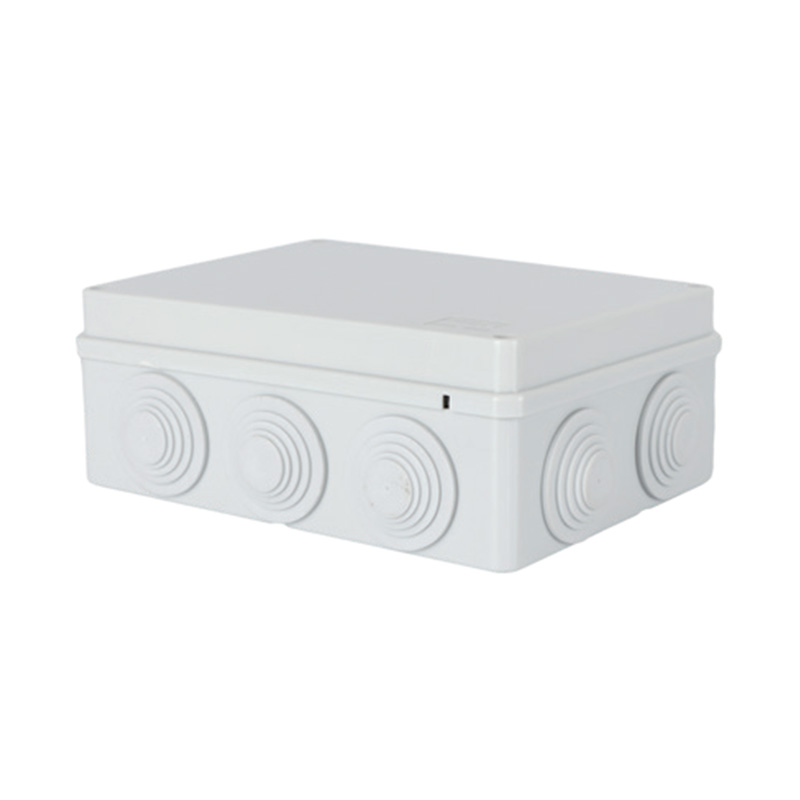
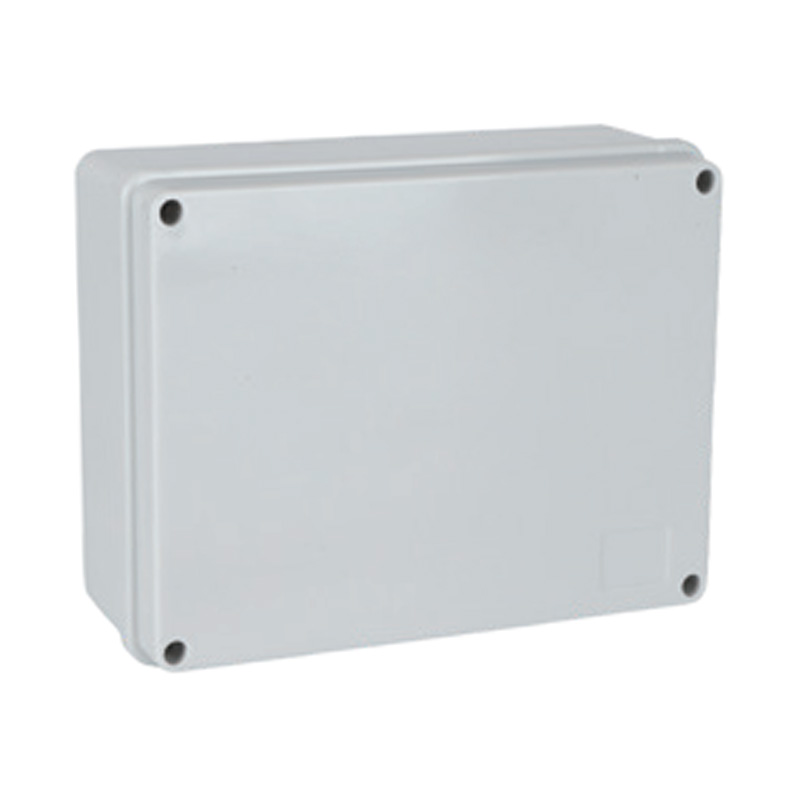
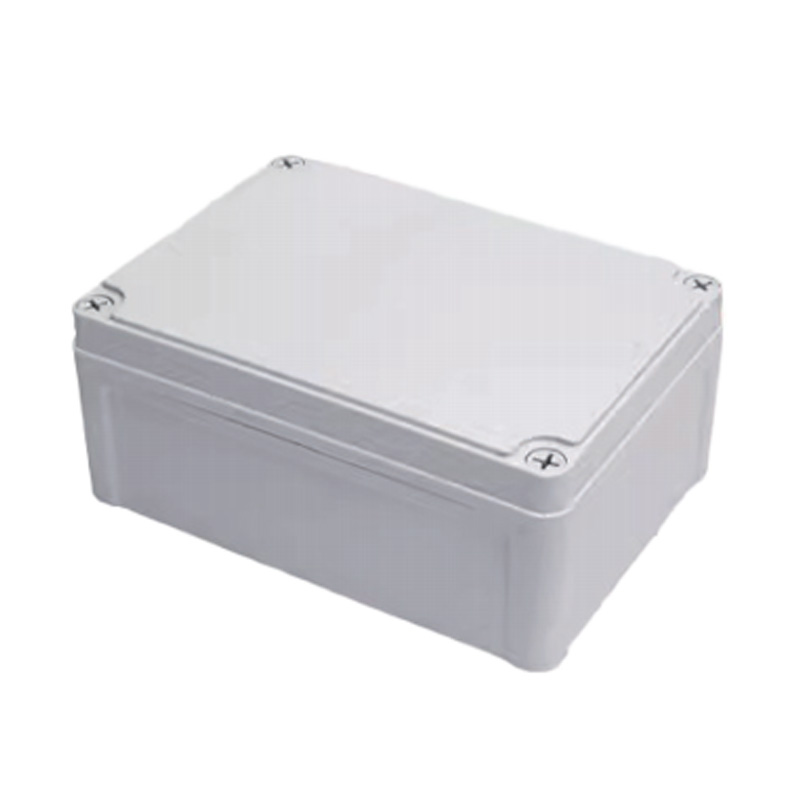
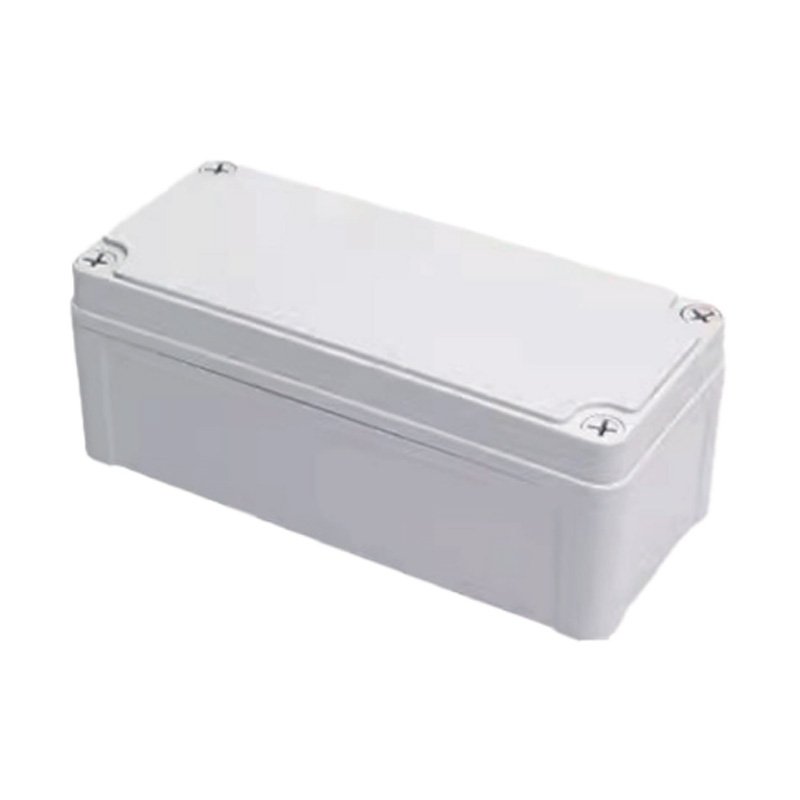
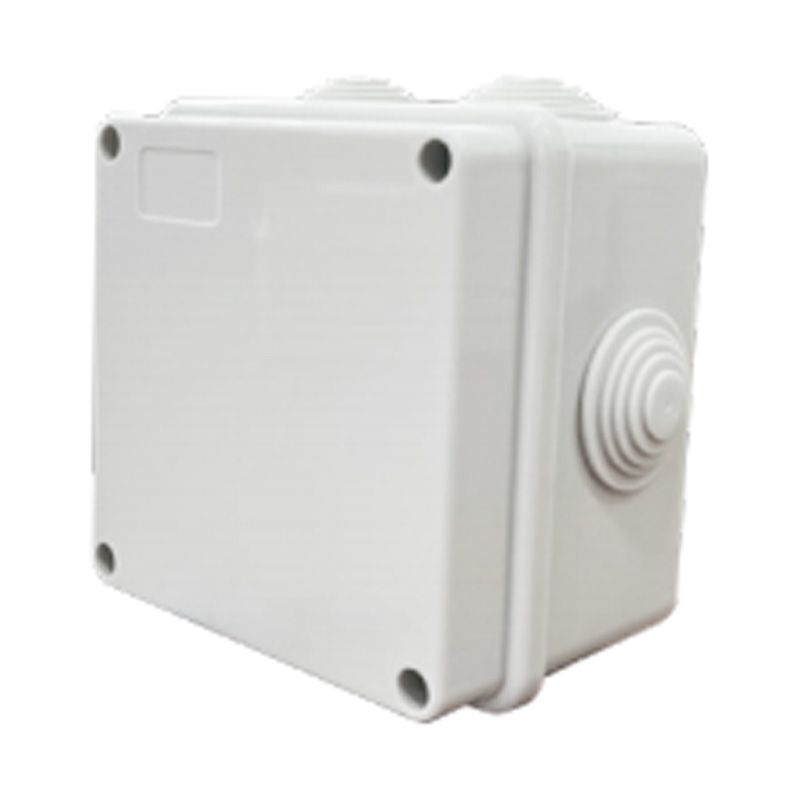
Every engineer and installer eventually asks a version of this question: how waterproof is the Electrical Equipment Enclosure you’ve specified for your project? The truth is, waterproof performance isn’t a single number you can take at face value — it depends on rating standards, environmental conditions, and how the enclosure is installed and maintained. Whether you’re selecting cabinets for outdoor panels or looking into Waterproof Electrical Enclosures for harsh industrial settings, understanding what users commonly encounter can save time and cost.
At Pulte Electric Technology (Wenzhou) Co., Ltd., we regularly engage with professionals who share concerns about how protection ratings translate into real-world performance.
What Protection Ratings Mean for Waterproof Performance
One of the more referenced ways to determine waterproof level is through international protection codes like IP ratings and North American NEMA ratings. These codes tell you how an enclosure performs against dust and moisture ingress. For example, an IP67-rated enclosure means it is completely dustproof and can withstand immersion in water up to a certain depth and duration. This makes it a strong candidate for many outdoor and industrial applications, but users still ask how it performs beyond just the number printed on the box.
However, these ratings don’t tell the whole story — installation quality and accessory choices (like cable glands and seals) often determine whether an enclosure actually keeps water out once installed.
Installation Practices That Affect Waterproofing
Professionals in forums frequently discuss scenarios where an enclosure with a solid IP rating still ends up with moisture inside. A common thread in user discussions is that even rated Waterproof Electrical Enclosures can fail if cables, connectors, or modifications compromise the seal.
Key installation factors include:
Cable entry seals: Water can enter through poorly sealed cable glands or drilled holes.
Incorrect sealing material: Using non-rated fittings negates the rating.
Thermal cycles: Temperature changes may affect gaskets and seals over time, causing gaps.
It’s well understood that an IP rating only applies to the enclosure as a whole system — not individual parts. Panels without proper gland sealing or with amateur modifications often see leaks even when they are technically rated for outdoor use.
Real User Feedback on Waterproof Performance
Community discussions reveal real concerns from maintenance professionals facing condensation inside enclosures. One maintenance electrician wrote about repeated condensation issues inside electrical boxes repeatedly exposed to cold environments and sanitation water — highlighting that waterproof issues aren’t only about external rain or immersion.
Users emphasize that moisture from internal temperature swings can be just as problematic as external water ingress. This has led some to explore humidity control within enclosures or alternative sealing techniques to combat condensation.
Are Ratings Alone Enough?
Another common question is whether you can rely on rating certificates like IP or NEMA alone. For critical applications it’s often recommended to validate ratings with independent testing or choose enclosures that include additional protective features like breathable membranes or gasket designs that compensate for pressure changes.
It’s not just the number — it’s also how the enclosure is used and installed that ultimately defines waterproof performance.
Practical Tips Before You Choose
Here are a few practical considerations professionals share online:
Always pair the desired rating with the right accessories (rated cable glands, sealants).
Avoid making unnecessary holes in the enclosure body — each opening is a potential failure point.
Consider environmental conditions, such as humidity cycles and outdoor heat/cool swings.
Periodically inspect seals and gaskets as part of maintenance.
Combining robust design with sound installation practices ensures you get the more out of your Waterproof Electrical Enclosures.
Understanding how waterproof an Electrical Equipment Enclosure truly is requires more than just reading an IP number. Technical standards like IEC 60529 define how enclosures should perform, but real-world experience shows that installation quality, environmental stressors, and long-term maintenance all shape actual waterproof performance. Whether you’re specifying outdoor panels or choosing sealed cabinets for moisture-prone environments, thoughtful selection and installation help ensure reliability in the field.

- Add: No. 196, Wei Twelve Road, Economic Development Zone, Yueqing City, Zhejiang Province, China
- Phone: +-86-18967761082
- Fax: +86-577-62056352
- Email: z1721242465@163.com
Contact us now
Copyright © 2024 Pulte Electric Technology (Wenzhou) Co., Ltd. All Rights Reserved

Wholesale Cable Gland and Connector Supplier