

 English
 中文简体
中文简体 Español
 عربى
عربى
Industry news

Do Plastic Junction Boxes Need Grounding
 2026.05.15
 Industry news
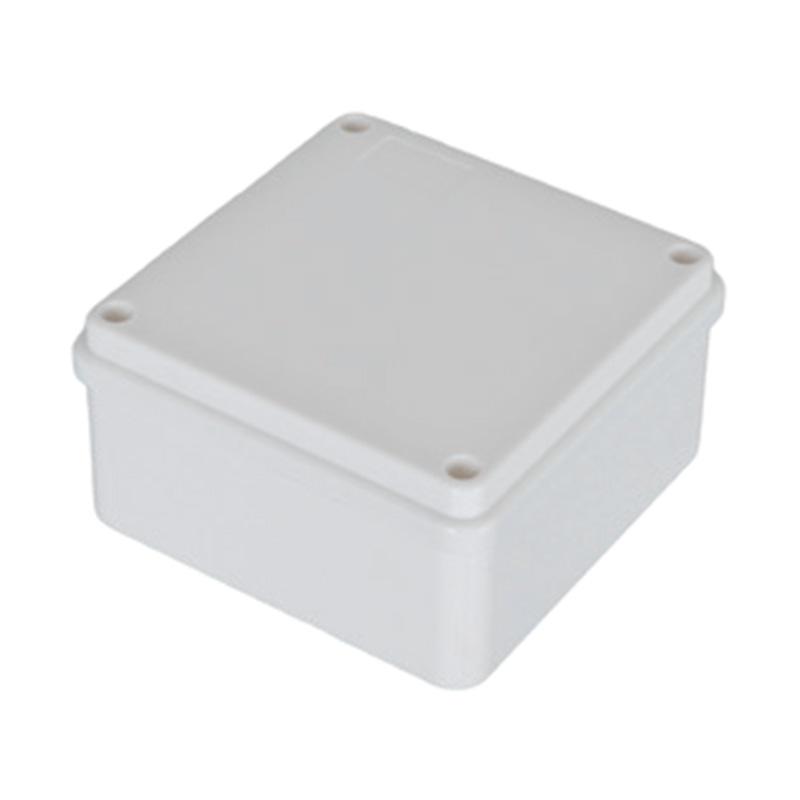
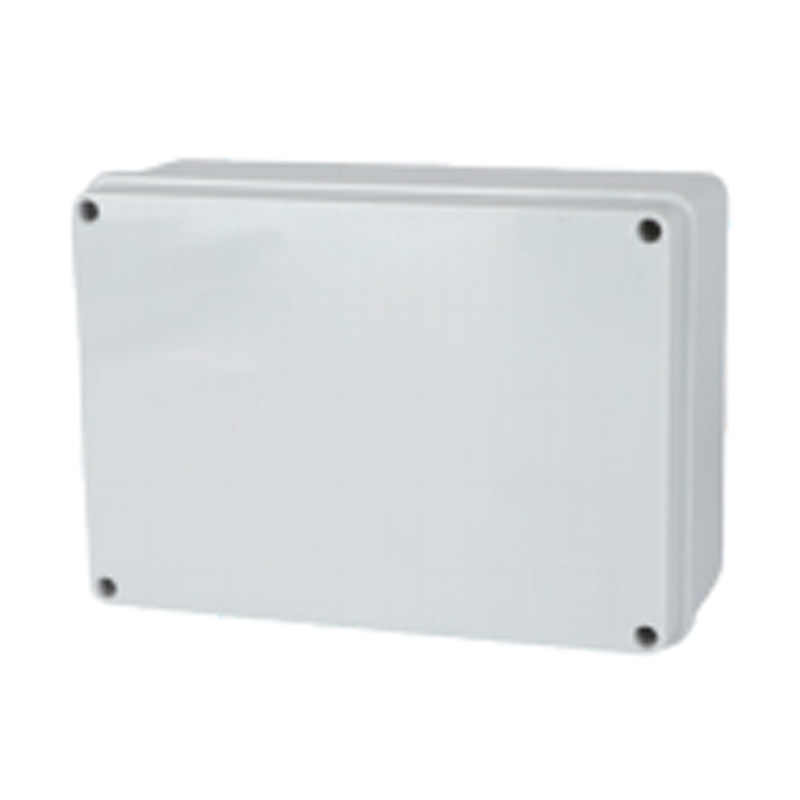
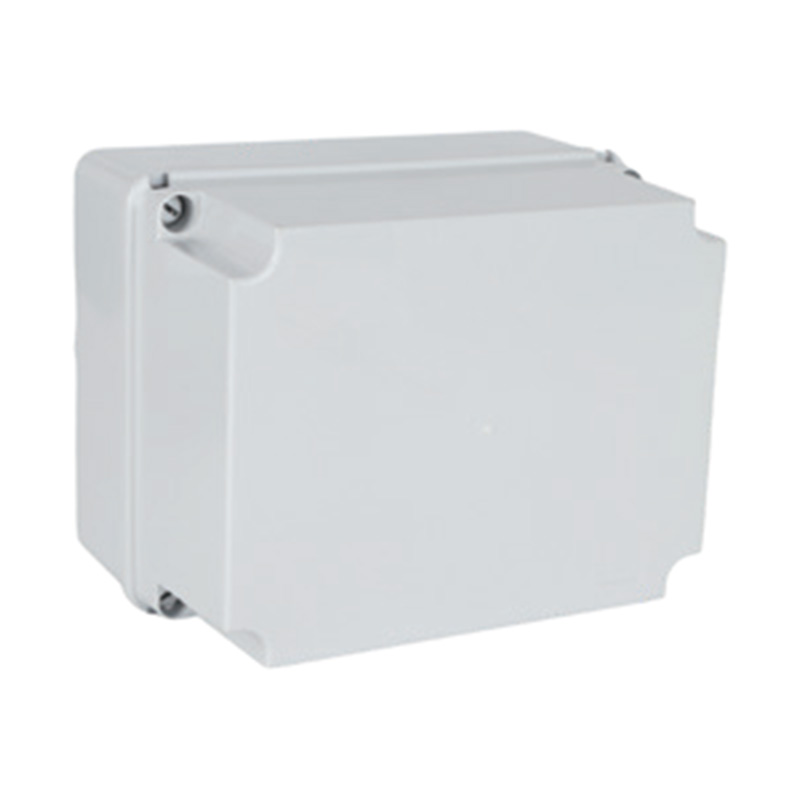
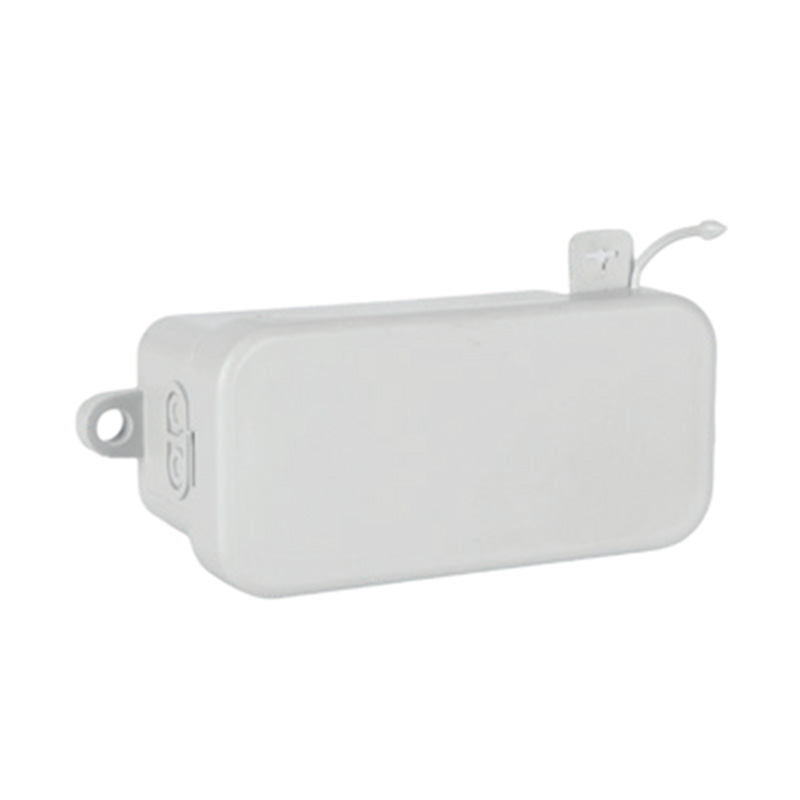
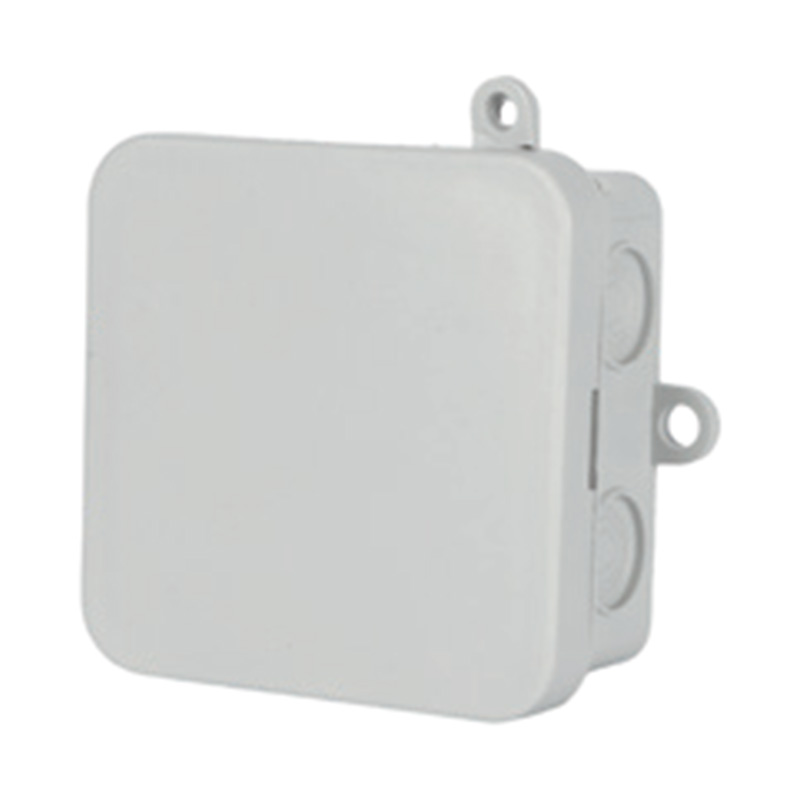
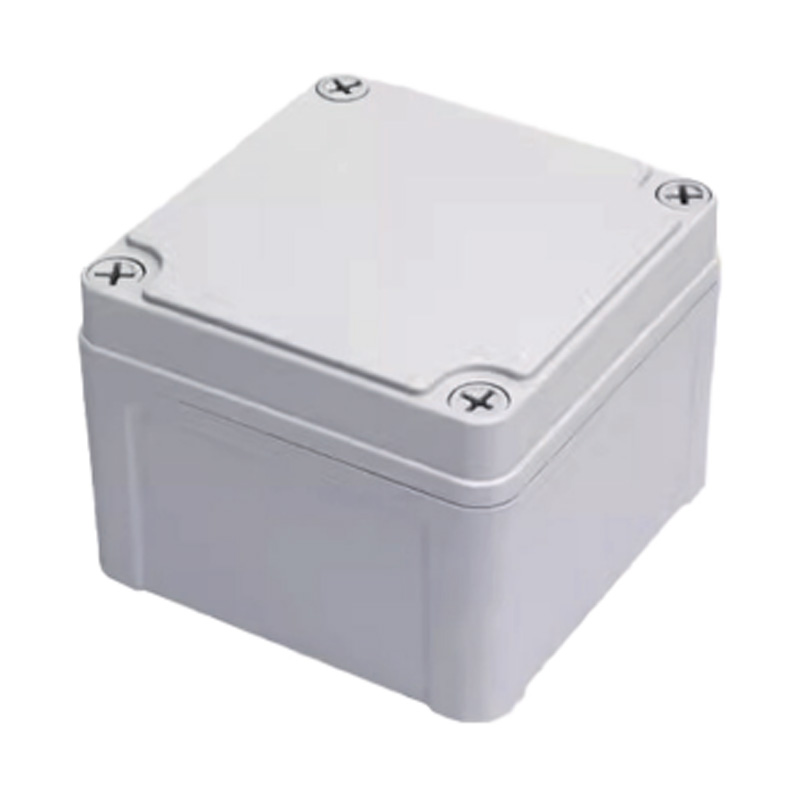
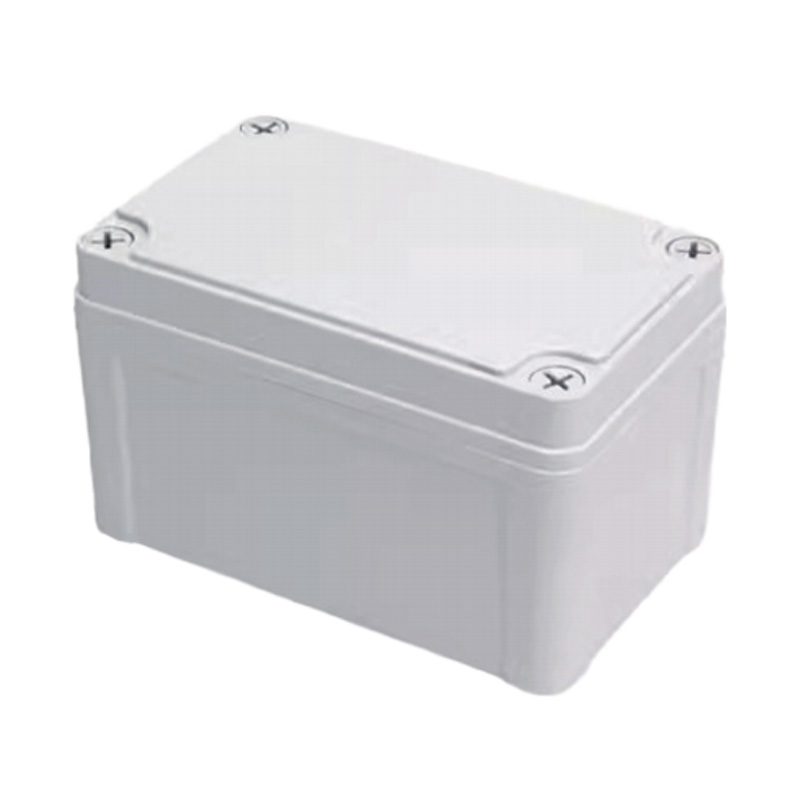
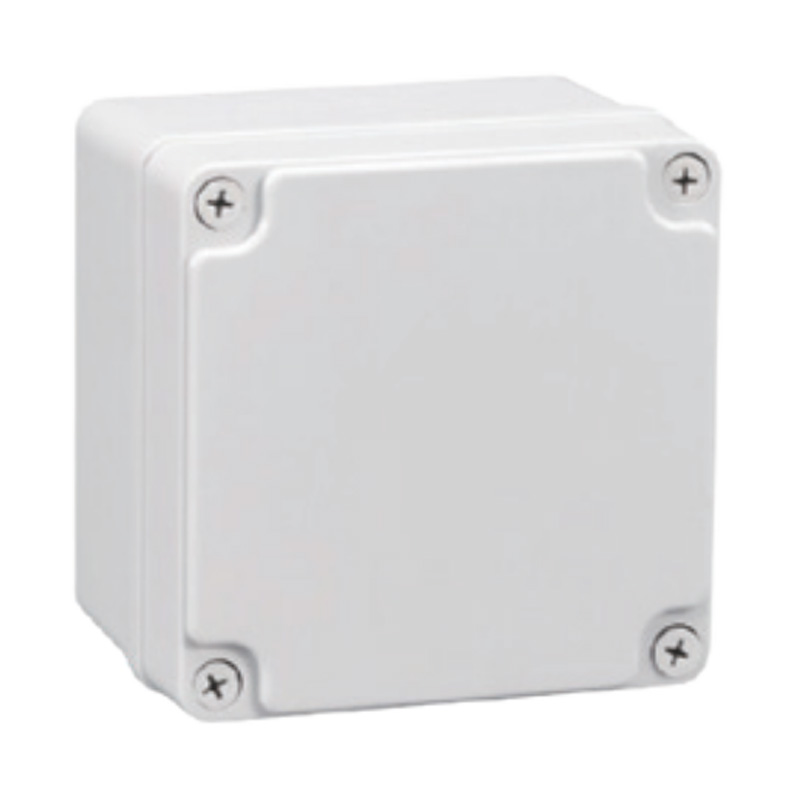
Electrical safety is a priority in both residential and industrial installations. Modern setups often use non-metallic components to reduce corrosion and weight. Plastic Junction Box usage has increased significantly in recent years due to its lightweight and non-conductive properties. Complementing this, Plastic Cable Gland systems are commonly installed to secure wires entering or exiting these boxes, ensuring environmental protection and mechanical stability. At our company, we provide a full range of high-quality junction boxes and cable glands designed to meet international safety standards.
Plastic Materials and Electrical Conductivity
Plastic junction boxes are inherently non-conductive, which is why grounding is often a point of discussion. Unlike metal boxes that require grounding to prevent accidental shock, plastics such as PVC, ABS, or polycarbonate do not conduct electricity under normal conditions. This means the risk of electric shock through the box itself is minimal.
Key technical points about common plastic junction boxes include:
- Material: PVC, ABS, or Polycarbonate
- Dielectric strength: 20–40 kV/mm
- Operating temperature: -20°C to 80°C
- Protection rating: IP54–IP66 (depending on model)
These properties make plastic boxes safe for housing low and medium voltage wiring, especially when combined with proper cable management using Plastic Cable Glands.
Grounding Considerations
Despite being non-conductive, certain scenarios may require grounding. Grounding may be necessary if:
- Metal components are integrated, such as internal mounting plates or threaded inserts
- High-voltage equipment is nearby that could cause arcing
- Local electrical codes specify bonding for safety
Plastic Junction Boxes equipped with metal inserts or used alongside metallic cable glands often include a grounding terminal. This allows the installer to connect a protective earth wire directly, maintaining compliance with safety regulations.
Advantages of Plastic Cable Glands in Grounding Scenarios
Plastic Cable Glands play a significant role in managing grounding safely. They provide:
- Secure cable entry without metal contact
- Environmental protection against dust and moisture
- Electrical insulation, reducing the need for additional grounding for the box itself
Many of our cable glands are rated for IP68 and withstand temperatures from -40°C to 105°C, making them suitable for industrial and outdoor applications. They ensure cables remain secure and protected, even in humid or corrosive environments.
Installation Tips for Safety and Performance
Proper installation of junction boxes and cable glands is essential for both safety and longevity:
- Ensure correct torque on gland nuts to prevent over-compression of cable insulation
- Use strain relief mechanisms to avoid wire pull-out
- Select a junction box with a suitable IP rating for the intended environment
- Keep high-voltage and low-voltage wiring separated within the box
These practices reduce the likelihood of electrical faults while taking full advantage of the insulating properties of plastic materials.
Compliance with Electrical Standards
Plastic Junction Boxes and Plastic Cable Glands provided by our company comply with international standards such as IEC 60670, UL 50, and RoHS directives. These standards ensure:
- Mechanical strength of enclosures
- Resistance to impact and flame
- Environmental protection against dust and water ingress
- Safe insulation properties for wiring
Using certified components reduces the need for additional grounding in most installations while ensuring regulatory compliance.
Heat and UV Considerations
Plastic enclosures can deform under excessive heat or prolonged UV exposure. High-quality plastic junction boxes include UV stabilizers and flame-retardant additives, allowing outdoor or industrial use without compromising safety. Typical specifications include:
- Flame rating: UL94 V0
- UV resistance: Up to 5,000 hours of exposure
- Operating temperature range: -40°C to 85°C
By maintaining structural integrity, the boxes continue to provide insulating protection, minimizing risks associated with electric faults.
Reducing Electrical Noise and Interference
Plastic Junction Boxes also help reduce electromagnetic interference in sensitive electrical circuits. Since plastic does not conduct electricity, there is no risk of creating grounding loops or unintended short circuits. Plastic Cable Glands complement this by maintaining insulation continuity and separating cable conductors effectively.
At our company, we emphasize combining high-quality plastic junction boxes with reliable cable glands to ensure compliance, safety, and long-term durability.

- Add: No. 196, Wei Twelve Road, Economic Development Zone, Yueqing City, Zhejiang Province, China
- Phone: +-86-18967761082
- Fax: +86-577-62056352
- Email: z1721242465@163.com
Contact us now
Copyright © 2024 Pulte Electric Technology (Wenzhou) Co., Ltd. All Rights Reserved

Wholesale Cable Gland and Connector Supplier