

 English
 中文简体
中文简体 Español
 عربى
عربى
Industry news

Which Thread Type Fits Your Equipment
 2026.05.22
 Industry news
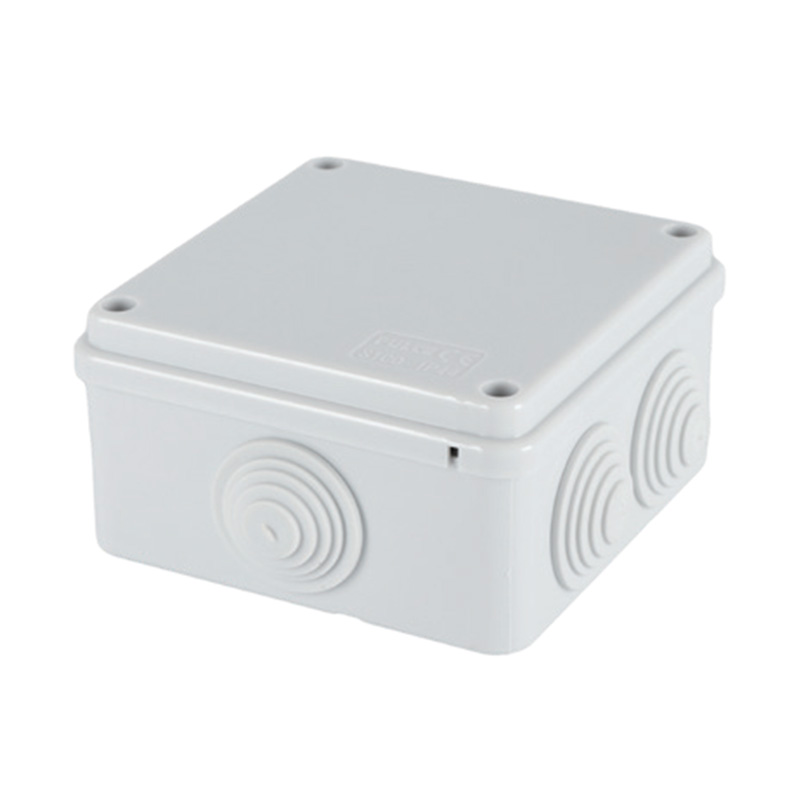
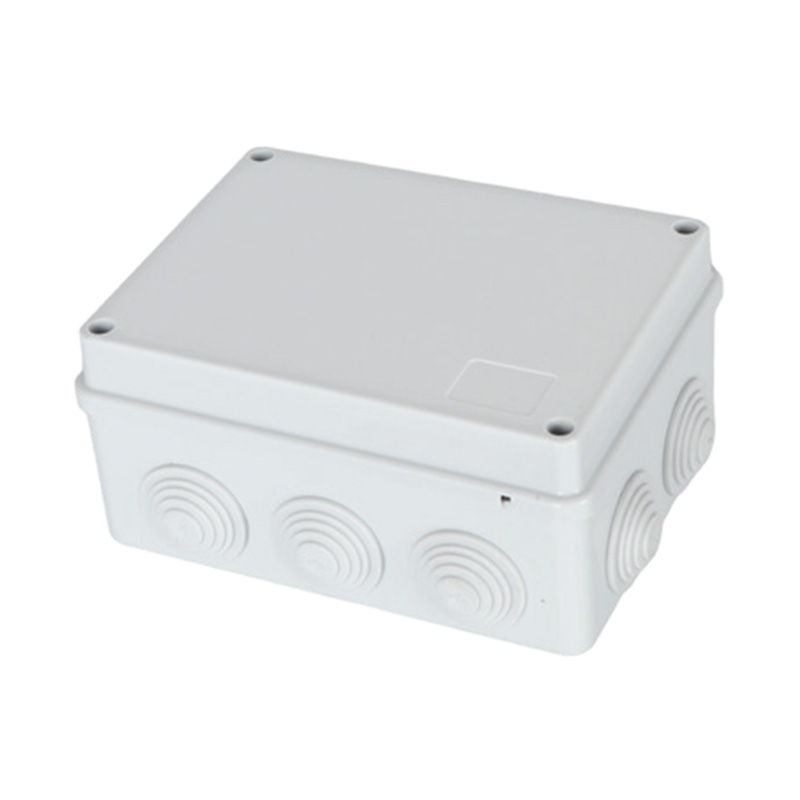
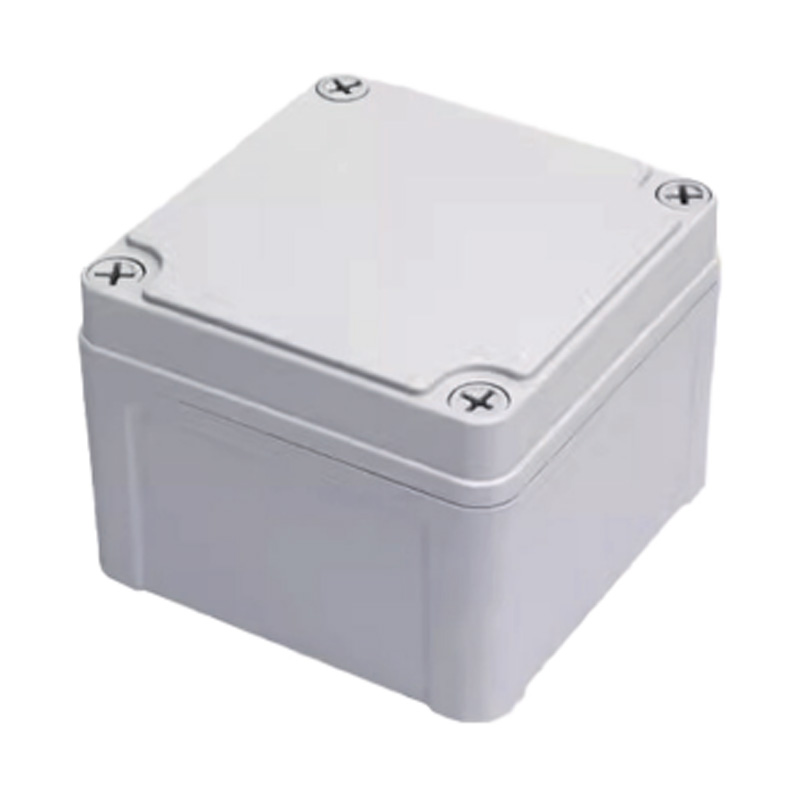
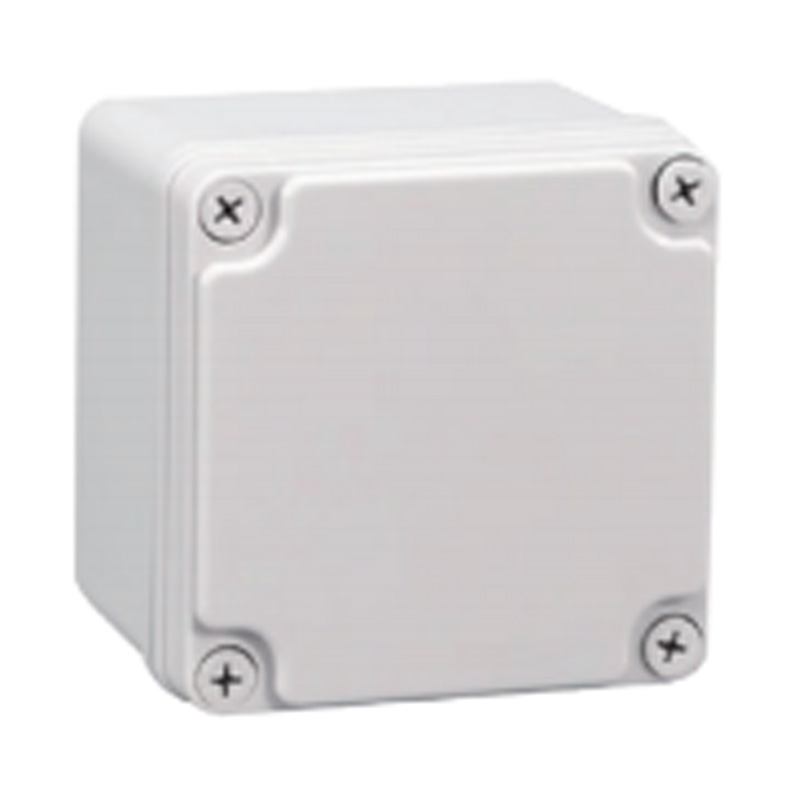
Matching the correct thread type to your electrical components ensures a reliable, safe, and long-lasting installation. Our company has noticed that many users encounter challenges when connecting conduits, enclosures, and fittings. Plastic Cable Gland and Plastic Junction Box applications often require precise thread selection to avoid leaks, ensure mechanical stability, and simplify assembly. Using the wrong thread can lead to poor sealing, increased maintenance costs, or even equipment failure. We provide a range of threaded solutions designed to accommodate different equipment standards, and more details are available on our products.
Common Thread Types in Electrical Applications
Electrical fittings generally use several thread types depending on regional standards and functional needs. The most widely used include:
- Metric Threads (M Threads): Metric threads are popular worldwide, particularly in industrial applications. They offer a balanced combination of mechanical strength and ease of manufacturing. Plastic Cable Gland connections with M threads provide consistent torque and secure sealing for wire entry points. Typical dimensions include M16, M20, M25, and M32, suitable for various cable diameters.
- PG Threads (Panzer-Gewinde): Originating from Germany, PG threads are common in junction boxes and electrical enclosures. Plastic Junction Box connectors with PG threads are ideal for panel wiring due to their mechanical robustness and standardized pitch. Common sizes include PG7, PG9, PG11, and PG13.5, catering to both small and medium cable ranges.
- NPT Threads (National Pipe Taper): Mostly used in North American systems, NPT threads provide a taper that helps create a seal under pressure. Plastic Cable Glands with NPT threads often include a pre-applied sealing ring or gasket to maintain IP-rated protection against dust and water ingress. Sizes such as 1/2” NPT and 3/4” NPT cover most industrial applications.
- BSP Threads (British Standard Pipe): BSP threads are common in Europe and Asia for threaded conduit connections. They are often used in Plastic Junction Box designs where a watertight seal is required. BSP threads come in parallel (BSPP) and tapered (BSPT) forms, both suitable for cable glands or conduit adaptors.
Factors Influencing Thread Selection
Choosing the right thread type goes beyond matching sizes. Several technical considerations impact long-term performance:
- IP Rating Requirements: Higher IP ratings demand tight sealing between components. Threads like PG or NPT combined with O-rings help maintain ingress protection for water and dust.
- Cable Diameter and Entry Count: The thread must accommodate the specific cable diameter and the number of conductors entering a Plastic Junction Box. Over-tightening a small thread on a large cable can cause cracking or deformation.
- Mechanical Strength: Load-bearing or vibration-prone environments require threads that can resist loosening over time. Metric and PG threads often offer higher resistance to torque-induced loosening.
- Material Compatibility: Plastic Cable Gland threads are usually molded from PA66 or other engineering plastics. The thread profile must prevent cross-threading or wear during repeated installation cycles.
Thread Standards and Tolerances
Precision in thread manufacturing affects sealing and mechanical stability. Our company’s Plastic Junction Box products maintain strict adherence to international standards such as ISO 261 for metric threads and IEC 62444 for cable glands. Typical tolerances for plastic M20 threads include:
| Thread Type | Pitch | Outer Diameter | Tolerance |
| M20 Metric | 1.5 mm | 20 mm | ±0.1 mm |
| PG13.5 | 1.814 mm | 18.6 mm | ±0.12 mm |
| 1/2” NPT | 14 TPI | 21.3 mm | ±0.15 mm |
Proper adherence ensures reliable IP protection and reduces the risk of mechanical failure.
Installation and Maintenance Tips
Even with the correct thread, installation quality impacts performance. Key recommendations include:
- Avoid Cross-Threading: Always align the component before turning. Plastic threads are more prone to stripping than metal threads.
- Torque Control: Over-tightening can damage the thread or deform the gland body. Our company suggests using a calibrated torque wrench for critical installations.
- Lubrication and Sealants: Using appropriate anti-seize compounds or silicone gaskets helps maintain long-term sealing, especially in damp or corrosive environments.
- Periodic Inspection: Threads exposed to vibration or thermal expansion should be inspected to ensure continued integrity.
Emerging Trends in Threaded Electrical Components
Smart factory demands and high IP-rated applications are driving innovations in thread design:
- Self-Locking Threads: Some Plastic Cable Glands now feature a slight taper with integrated locking ribs to prevent loosening under vibration.
- Hybrid Standards: Plastic Junction Box designs increasingly accommodate dual-thread options to satisfy multiple regional standards without requiring adapters.
- 3D-Printed Prototypes: Rapid prototyping allows engineers to verify thread engagement and sealing before committing to full-scale production.
This approach not only improves operational safety but also contributes to smoother assembly, fewer service interruptions, and optimized energy and resource usage across industrial applications.

- Add: No. 196, Wei Twelve Road, Economic Development Zone, Yueqing City, Zhejiang Province, China
- Phone: +-86-18967761082
- Fax: +86-577-62056352
- Email: z1721242465@163.com
Contact us now
Copyright © 2024 Pulte Electric Technology (Wenzhou) Co., Ltd. All Rights Reserved

Wholesale Cable Gland and Connector Supplier