

 English
 中文简体
 Español
 عربى

Industry news
 Home / News / Industry news / Improving Electrical Installation Planning with Flexible Junction Box Configurations
Improving Electrical Installation Planning with Flexible Junction Box Configurations
 2026.11.20
 Industry news
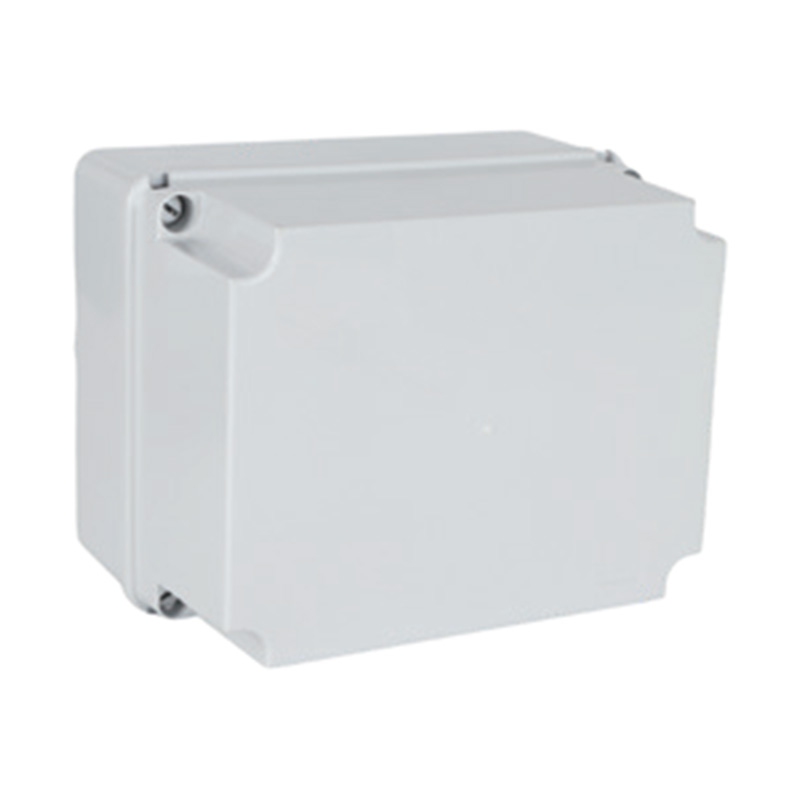
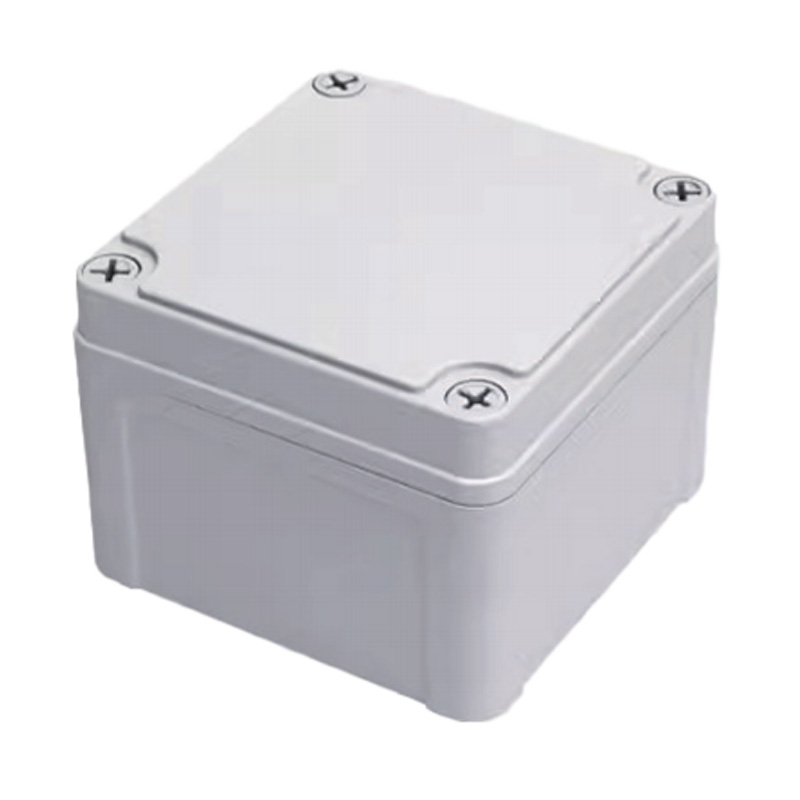
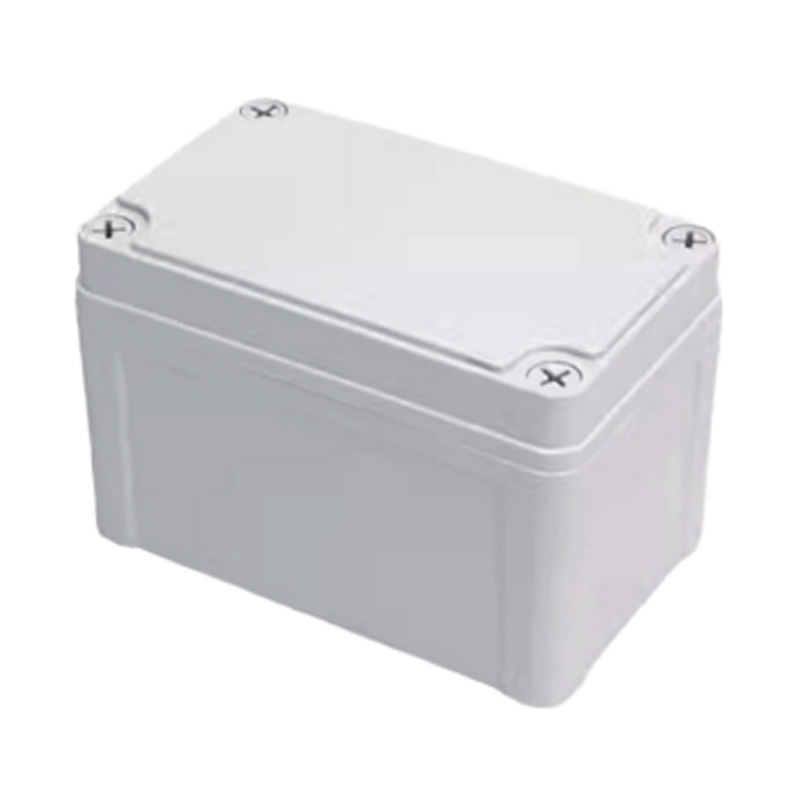
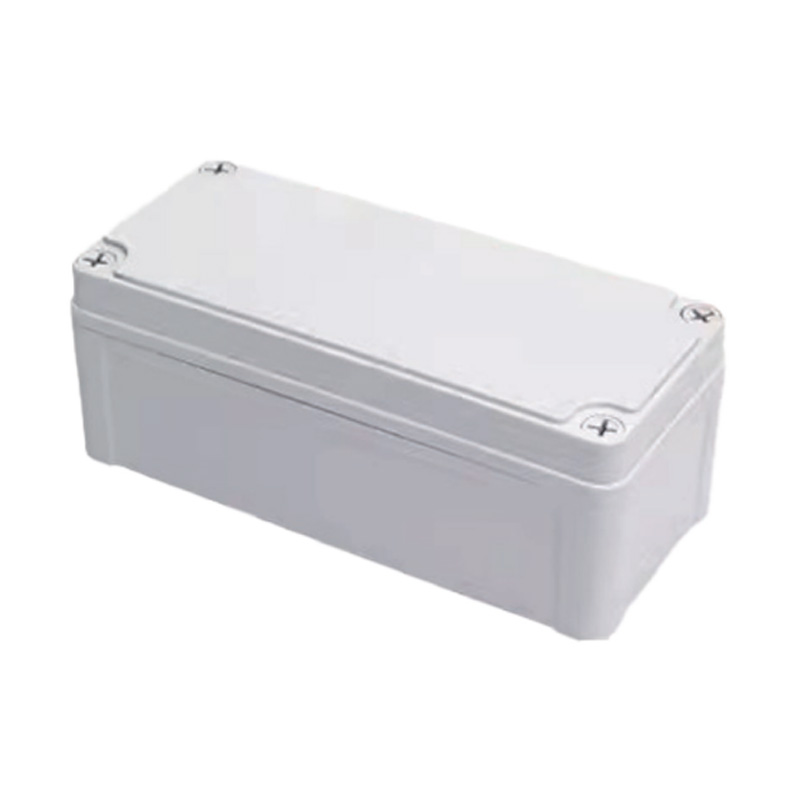
Industrial equipment manufacturers and electrical contractors often work with different wiring layouts, mounting spaces, and connection requirements. A standard enclosure may not always fit the available installation space, particularly when machinery has limited internal clearance or multiple cable routes. Selecting a Heavy-duty Junction Box therefore requires attention to enclosure dimensions, mounting options, cable entry positions, and internal component arrangements. As a manufacturer, we focus on these practical requirements to help buyers select enclosures that fit their actual applications.
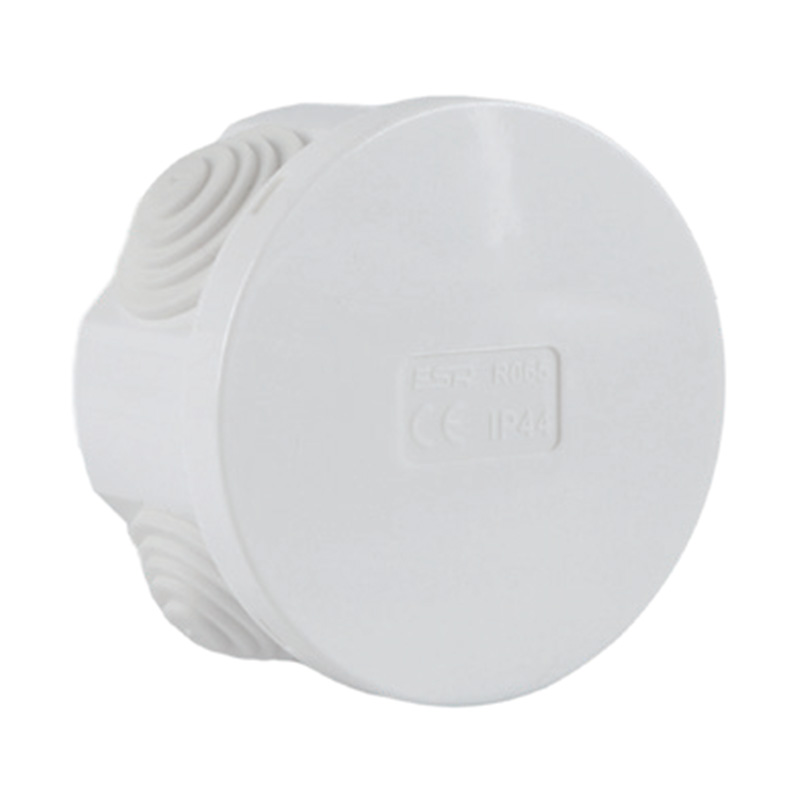
Installation Space Influences Enclosure Dimensions
Limited installation space can create difficulties during electrical assembly. An enclosure that is too large may interfere with nearby equipment, while insufficient internal space can make wiring and component installation inconvenient.
Before purchasing, engineers should check the available mounting area, required internal clearance, and position of surrounding components. Providing installation drawings to the supplier can also help reduce dimensional mismatches.
Cable Entry Positions Affect Wiring Efficiency
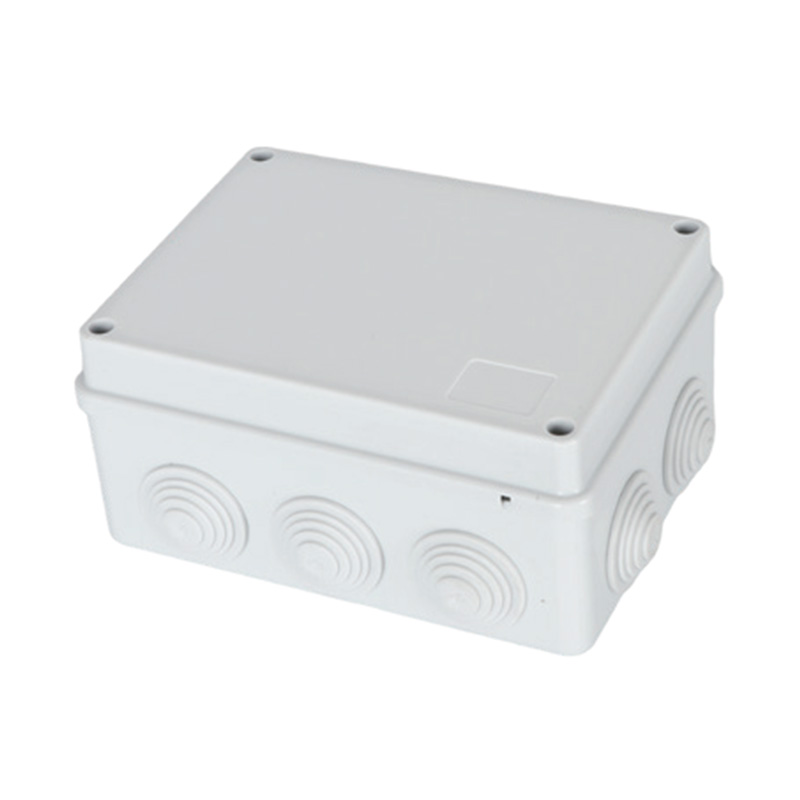
Cable entry design is closely related to installation convenience. When openings are positioned incorrectly, installers may need additional fittings or modifications, increasing assembly work.
Buyers should evaluate:
- Number of incoming and outgoing cables.
- Cable diameters and gland specifications.
- Required entry directions.
- Clearance for cable bending and routing.
Planning these details before production helps create a more organized wiring arrangement.
Enclosure Materials Need Application-Based Evaluation
Material selection should reflect the working environment. Metal enclosures are commonly considered for applications requiring mechanical protection, while plastic enclosures may be suitable for installations where insulation and corrosion resistance are important.
For outdoor equipment, UV exposure and moisture resistance deserve attention. In industrial workshops, contact with oils, chemicals, and cleaning products may influence material selection. Buyers should also verify whether the enclosure material meets the project's relevant electrical and environmental requirements.
Internal Mounting Options Support Different Designs
Electrical systems vary in their internal component arrangements. Some applications require terminal blocks, while others need mounting plates, cable supports, or additional wiring accessories.
A suitable enclosure should provide enough space for these components without creating overcrowded connections. For equipment manufacturers, discussing internal mounting requirements during the quotation stage can help avoid unnecessary changes after delivery.
Sealing Components Require Consistent Assembly
Enclosure protection depends on the combined performance of the housing, cover, gasket, and cable glands. Incorrect gasket placement or uneven cover fastening may affect sealing performance.
During manufacturing inspection, attention should be given to cover alignment, gasket condition, fastening points, and opening dimensions. Buyers should also confirm that the selected enclosure's IP rating is appropriate for its intended installation environment.
OEM Customization Starts with Clear Specifications
For distributors and industrial equipment manufacturers, customization can help align enclosure configurations with specific product designs. Common discussion points include:
- Enclosure dimensions and housing structure.
- Mounting hole positions.
- Cable entry arrangements.
- Cover design and internal accessories.
Our manufacturing team can review technical drawings and application requirements to discuss feasible configurations. Providing complete specifications early also makes quotation and production communication more straightforward.
Practical Selection Supports Stable Procurement
A suitable enclosure should fit the installation space, accommodate the wiring layout, and provide protection appropriate to the operating environment. For industrial buyers, evaluating these details before ordering helps reduce assembly difficulties and sourcing errors. Choosing a properly configured Heavy-duty Junction Box gives equipment manufacturers, electrical contractors, and distributors a practical solution for demanding electrical connection applications.

- Add: No. 196, Wei Twelve Road, Economic Development Zone, Yueqing City, Zhejiang Province, China
- Phone: +-86-18967761082
- Fax: +86-577-62056352
- Email: z1721242465@163.com
Contact us now
Copyright © 2024 Pulte Electric Technology (Wenzhou) Co., Ltd. All Rights Reserved

Wholesale Cable Gland and Connector Supplier