

 English
 中文简体
 Español
 عربى

Industry news
 Home / News / Industry news / Preventing Electrical Connection Failures Through Proper Junction Box Installation
Preventing Electrical Connection Failures Through Proper Junction Box Installation
 2026.11.13
 Industry news
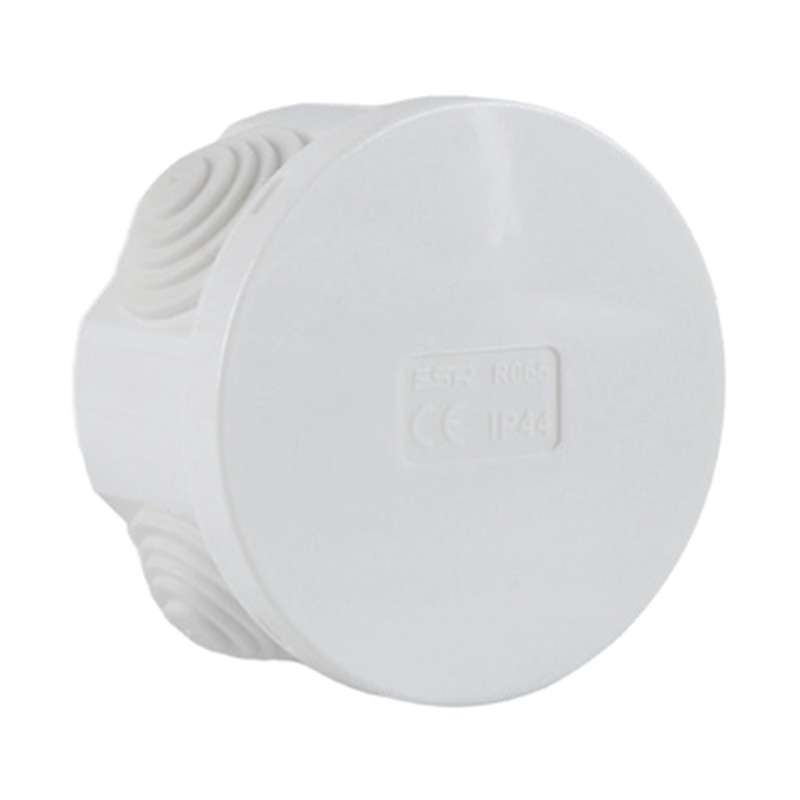
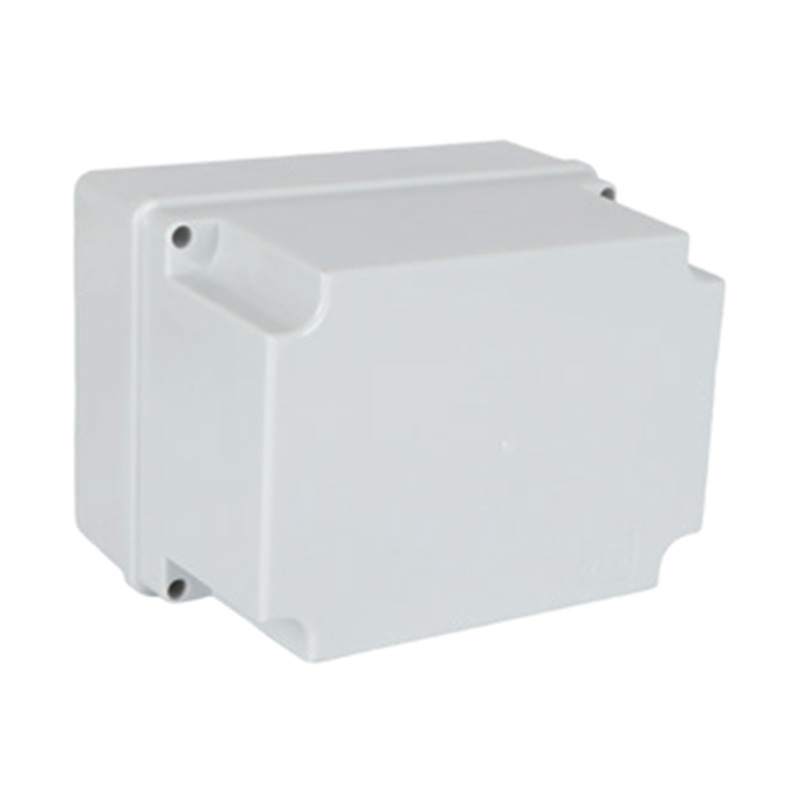
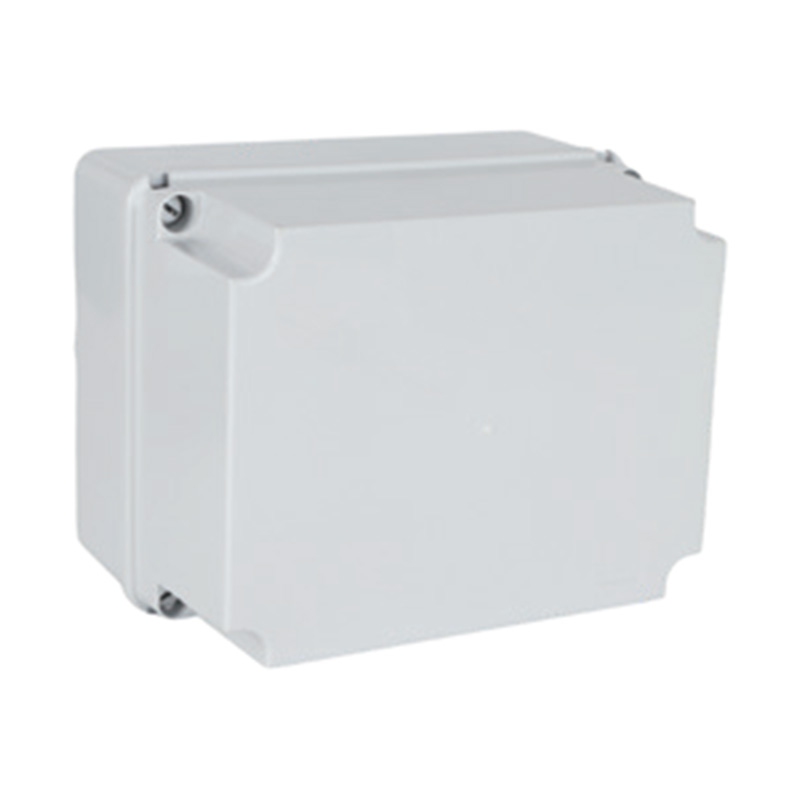
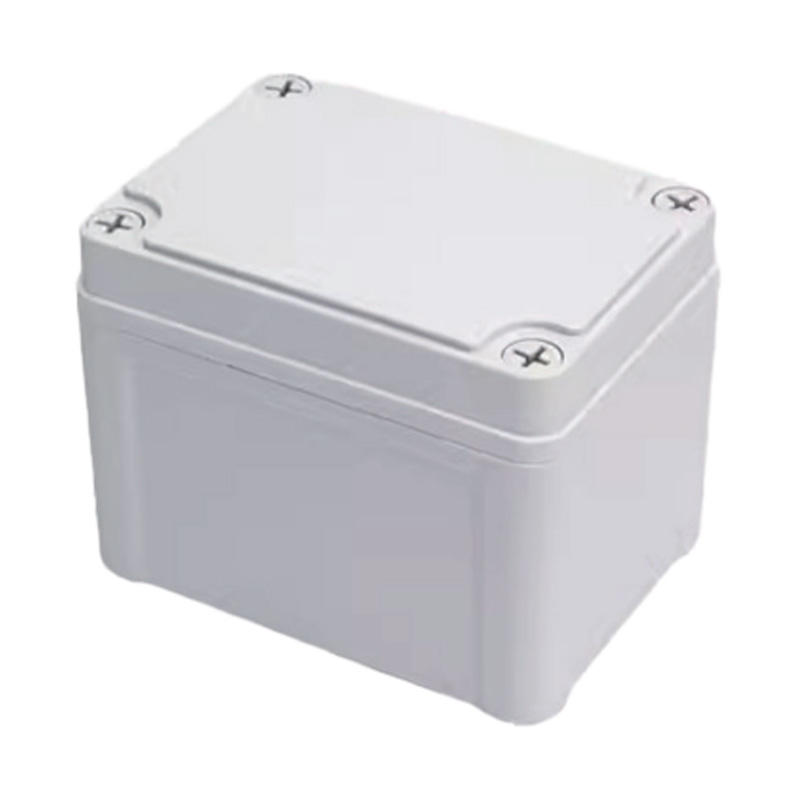
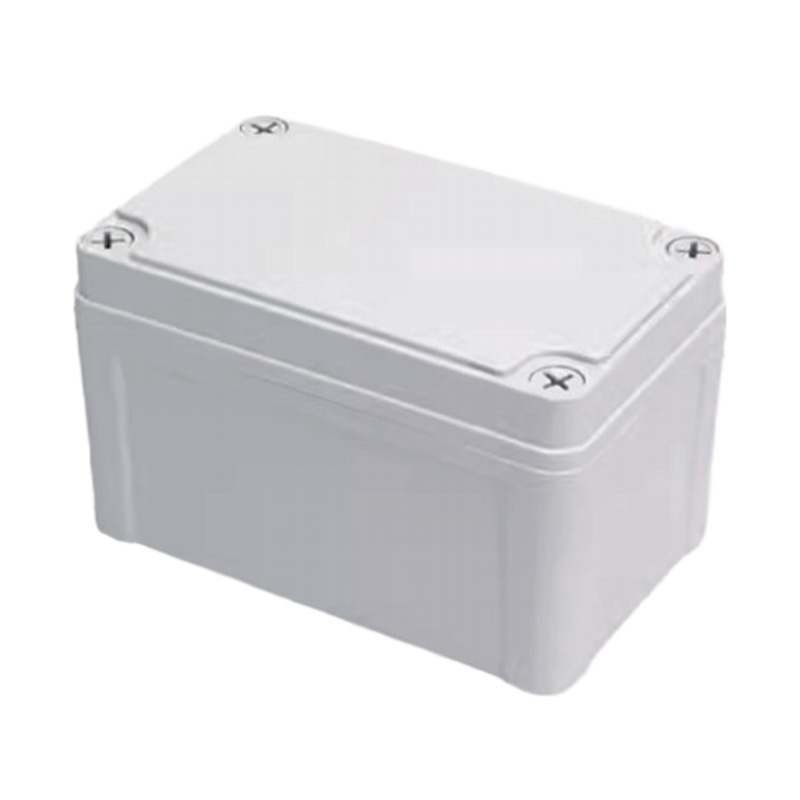
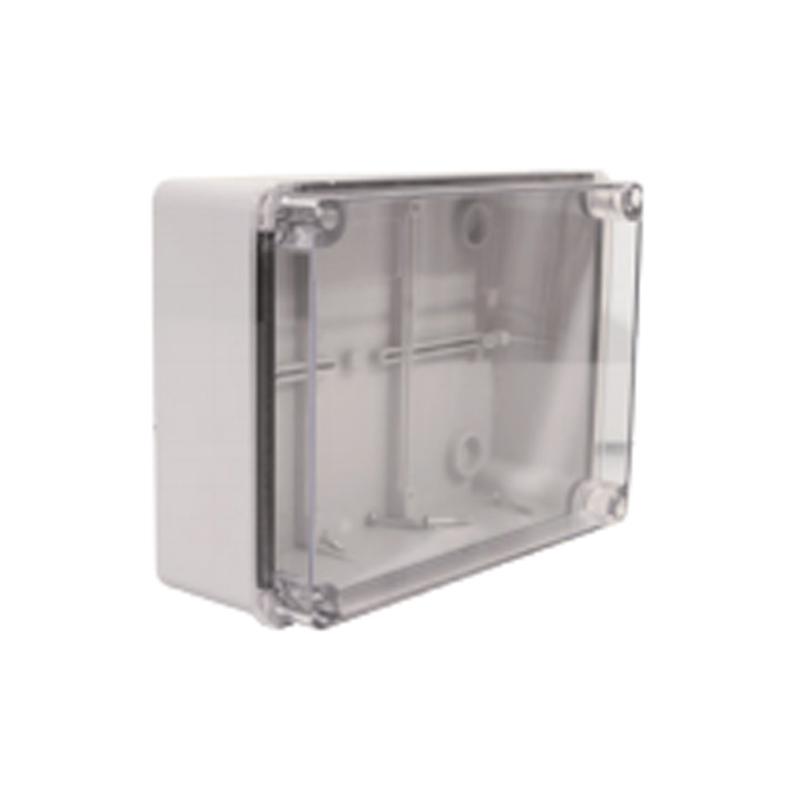
Industrial electrical equipment often operates in environments where vibration, moisture, dust, and frequent maintenance can affect wiring connections. For panel builders, electrical contractors, and equipment distributors, these conditions make enclosure selection an important part of project planning. A Heavy-duty Junction Box helps protect electrical connections, but its performance also depends on installation quality, cable arrangement, and component compatibility. As a manufacturer, we pay close attention to these practical details because they directly influence product suitability and maintenance requirements.
Vibration Can Affect Internal Connections
In factories and machinery installations, continuous equipment movement may gradually loosen poorly secured electrical connections. Junction boxes used in these locations should have a suitable mounting structure and enough internal space to keep wiring organized.
Buyers should consider enclosure fixing points, cover fastening methods, and the compatibility of internal mounting accessories. Selecting an enclosure according to the equipment's operating conditions can help reduce installation-related problems.
Moisture Protection Starts with Proper Sealing
Water exposure is a common concern in outdoor electrical installations, workshops, and equipment cleaning areas. However, enclosure protection depends on more than the housing material.
Important inspection points include:
- Gasket positioning around the cover.
- Proper tightening of cover fasteners.
- Compatible cable glands and sealing accessories.
- Suitable IP protection ratings for the application.
These details help maintain the enclosure's intended protection performance.
Cable Management Makes Maintenance Easier
Disorganized wiring can make troubleshooting difficult, especially when multiple electrical circuits share the same enclosure. Installers should plan cable entry positions and internal layouts before drilling or assembling components.
A practical arrangement should provide sufficient clearance between terminals, prevent unnecessary cable bending, and leave access for future inspection. This is particularly important for equipment manufacturers that use standardized electrical assemblies across different product models.
Material Compatibility Matters in Industrial Applications
Different workplaces expose electrical enclosures to different environmental conditions. Metal junction boxes may be selected where mechanical strength is important, while plastic versions can be suitable for applications requiring electrical insulation and corrosion resistance.
Before placing an order, purchasing teams should check material compatibility with operating temperatures, UV exposure, oils, and cleaning chemicals. The enclosure should be evaluated according to its actual working environment rather than appearance alone.
Quality Inspection Should Cover More Than Appearance
A junction box may look acceptable externally but still have problems with cover fitting, sealing components, or mounting dimensions. Manufacturers should pay attention to these details during production and inspection.
Our recommended inspection focus includes:
- Housing dimensions and mounting hole positions.
- Cover alignment and fastening consistency.
- Gasket condition and installation.
- Cable entry and accessory compatibility.
These checks help buyers assess whether products meet their project requirements.
Supplier Communication Reduces Procurement Errors
For bulk orders and OEM projects, incomplete technical information can lead to unnecessary adjustments during production. Buyers should provide product drawings, required dimensions, cable entry specifications, and installation conditions when requesting quotations.
As a manufacturer, we use these details to evaluate suitable configurations and discuss customization possibilities before production begins.
Selecting an Enclosure Around Real Working Conditions
Reliable electrical connections require suitable enclosure protection, organized wiring, and consistent manufacturing quality. Rather than choosing products based on dimensions alone, industrial buyers should evaluate installation conditions and maintenance requirements together. A properly specified Heavy-duty Junction Box helps equipment manufacturers, contractors, and distributors source practical enclosure solutions for demanding electrical applications.

- Add: No. 196, Wei Twelve Road, Economic Development Zone, Yueqing City, Zhejiang Province, China
- Phone: +-86-18967761082
- Fax: +86-577-62056352
- Email: z1721242465@163.com
Contact us now
Copyright © 2024 Pulte Electric Technology (Wenzhou) Co., Ltd. All Rights Reserved

Wholesale Cable Gland and Connector Supplier