

 English
 中文简体
中文简体 Español
 عربى
عربى
Industry news

Will Plastic Glands Crack Under High Torque
 2026.05.29
 Industry news
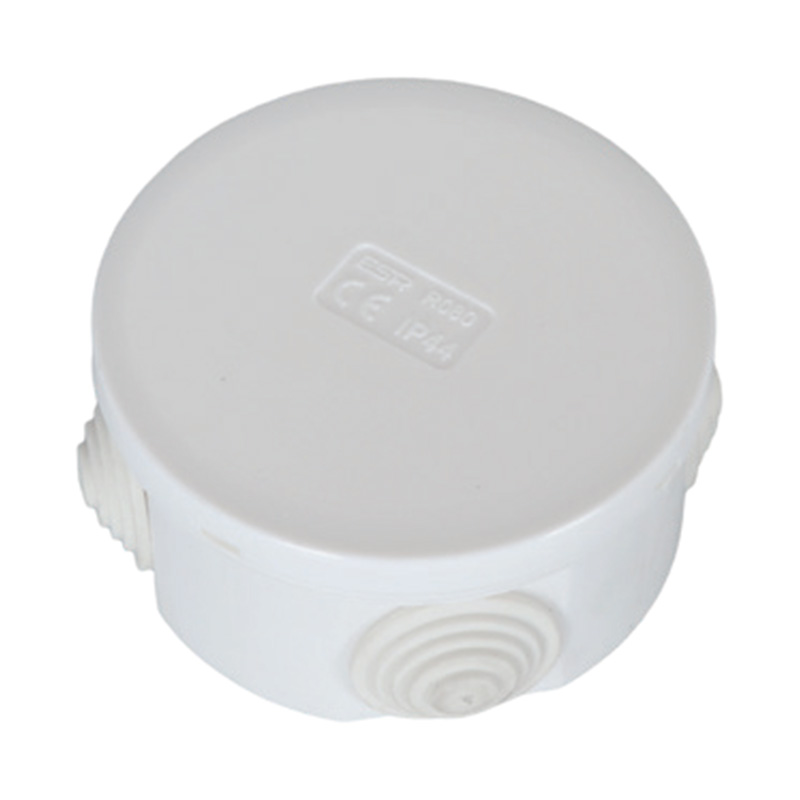
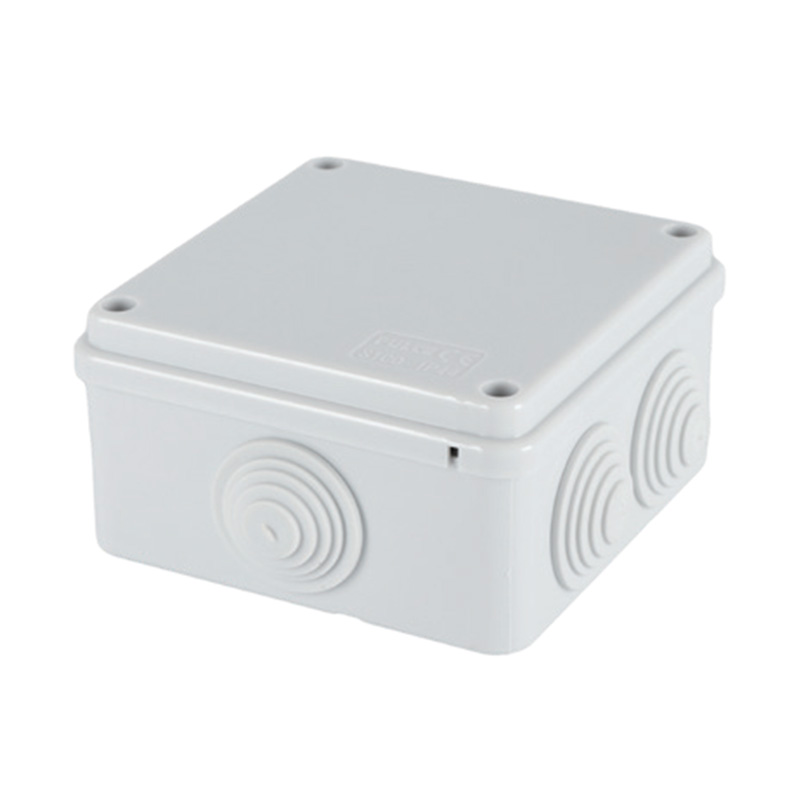
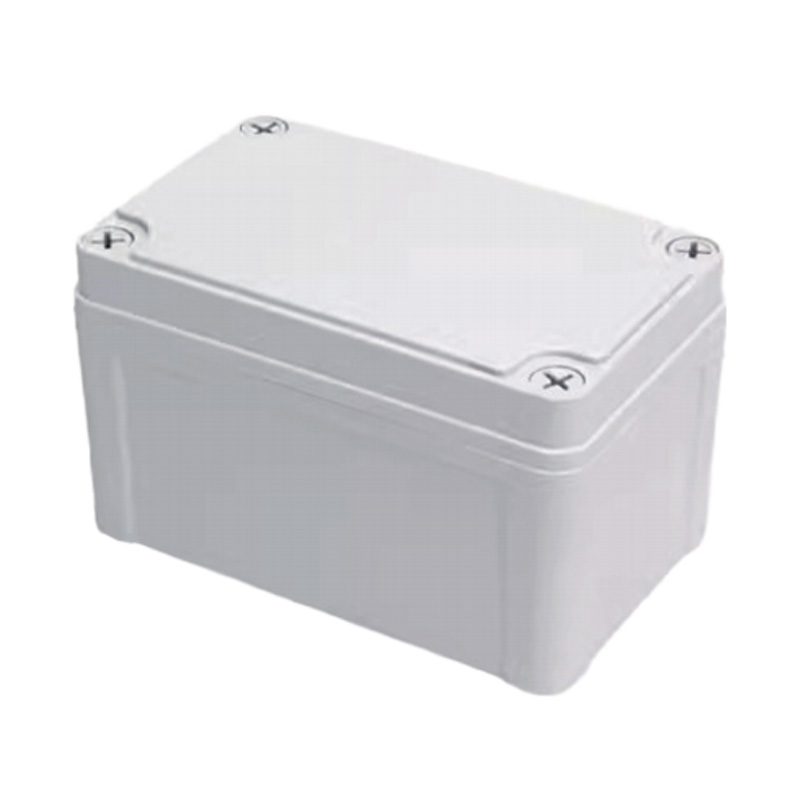
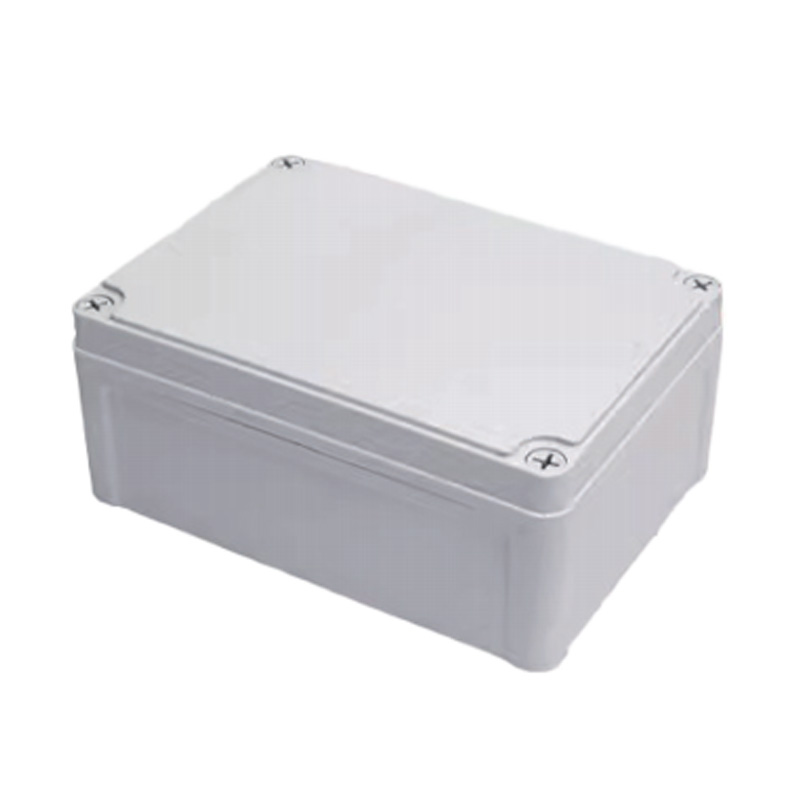
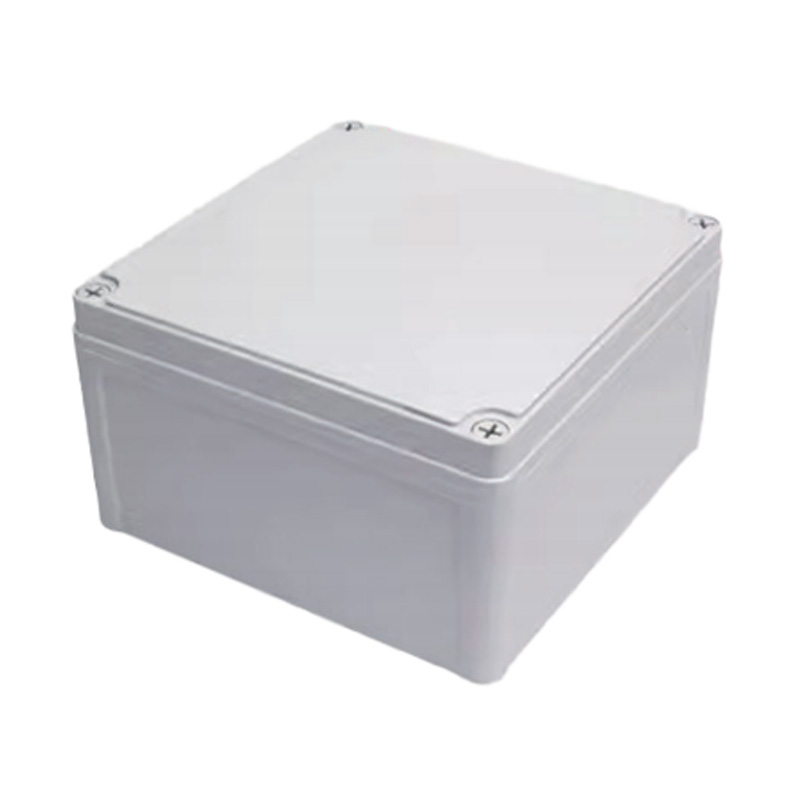
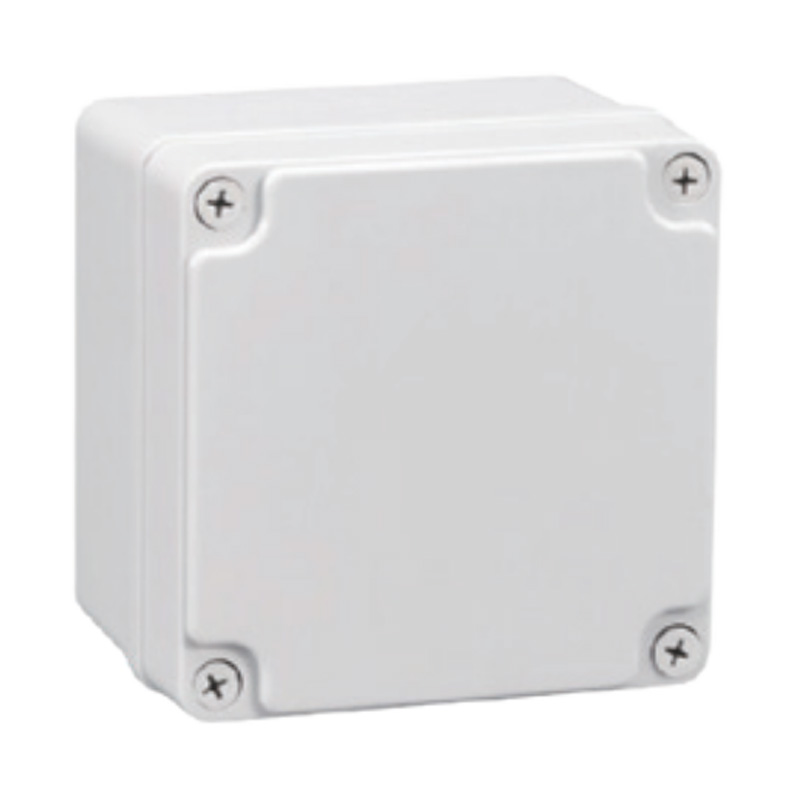
Plastic glands play a crucial role in protecting electrical systems, particularly in industrial and outdoor installations. Our company has observed that many manufacturers are concerned about the torque tolerance of plastic components in applications such as conduit connections. A properly designed Plastic Cable Gland ensures that cables remain secure while maintaining environmental sealing. Meanwhile, a robust Plastic Junction Box can provide structural support to prevent undue stress on cable entries during high-torque conditions.
Material Composition Determines Torque Resistance
The torque tolerance of plastic glands depends heavily on their material. High-quality engineering plastics, such as nylon (PA6 or PA66), polycarbonate, or reinforced composites, provide excellent mechanical strength while maintaining flexibility. These materials are often selected for their ability to withstand repetitive stress without permanent deformation.
Key material properties affecting performance include:
- Tensile Strength: The maximum stress the material can withstand while being stretched.
- Impact Resistance: Ability to absorb energy without cracking.
- Elongation at Break: Degree of deformation before failure.
- Hardness: Resistance to surface indentation that can lead to stress concentrations.
Plastic Cable Glands made from reinforced nylon can generally handle torque ratings up to 25–30 Nm for standard sizes without showing visible cracking. Plastic Junction Boxes made from similar high-grade plastics add rigidity and reduce the stress concentration at gland entries.
Design Factors Reduce Risk of Cracking
Apart from material, design plays a significant role in torque resistance. Some of the important design considerations include:
- Thread Design: Fine threads distribute stress more evenly and reduce the chance of micro-cracks during tightening.
- Sealing Rings: High-quality EPDM or silicone O-rings absorb part of the torque, protecting the gland body.
- Gland Body Shape: Reinforced flanges and ribbing prevent bending or torsion of the gland under high torque.
- Cable Entry Size: Oversized or undersized cable entries can create stress points that increase the likelihood of cracking.
Our company emphasizes the importance of these design details in all Plastic Cable Gland and Junction Box products we manufacture. Properly engineered products maintain sealing integrity even in demanding industrial environments.
Installation Technique Influences Performance
Even the best plastic gland can fail under improper installation. Excessive torque, misalignment, or uneven tightening can create stress concentrations that exceed the material's elastic limit. Recommendations include:
- Using calibrated torque tools for tightening.
- Ensuring the gland aligns perpendicular to the junction box surface.
- Avoiding overtightening beyond manufacturer-specified torque limits.
- Allowing for slight expansion in outdoor environments where thermal variations occur.
Installation manuals should clearly indicate maximum torque values to prevent user error. At our company, we provide detailed guidance for every Plastic Junction Box and Cable Gland to ensure safe installation.
Environmental Factors Affect Durability
Temperature, UV exposure, and chemical contact can affect torque resistance over time.
- Temperature: Extreme heat can soften plastic, reducing torque tolerance. Conversely, very low temperatures can make the plastic brittle.
- UV Radiation: Prolonged exposure can degrade polymer chains, weakening the gland body.
- Chemicals: Oils, solvents, and cleaning agents may deteriorate plastics or seals, lowering mechanical strength.
Using UV-stabilized, chemically resistant plastics ensures consistent performance for outdoor or industrial installations.
Testing and Certification Ensure Reliability
High-quality plastic glands are tested under simulated operational conditions to verify their torque capacity. Standard tests may include:
- Tensile and compression testing of threaded sections.
- Cyclic torque application to assess fatigue resistance.
- Temperature cycling for thermal expansion resilience.
- Chemical immersion for resistance against industrial fluids.
Products that pass these tests provide peace of mind for installers and end-users. Our company ensures all Plastic Cable Gland and Plastic Junction Box models undergo rigorous testing before shipment.

- Add: No. 196, Wei Twelve Road, Economic Development Zone, Yueqing City, Zhejiang Province, China
- Phone: +-86-18967761082
- Fax: +86-577-62056352
- Email: z1721242465@163.com
Contact us now
Copyright © 2024 Pulte Electric Technology (Wenzhou) Co., Ltd. All Rights Reserved

Wholesale Cable Gland and Connector Supplier